



Establishing a personal brand involves more than picking a color or a font. It is about how you present your story to the world in a way that feels consistent. When your style stays the same across different platforms, your audience begins to trust you more. They start to recognize your work before they even see your name on the post.
Building this kind of look takes time and a bit of planning. You have to think about the emotions you want to stir up in your followers. A cohesive look acts as a bridge between your ideas and the people who support your work. It makes your message clear and helps you stand out in a crowded space.

Start With Your Core Values
The way your brand looks should reflect what you believe in. People tend to stick with creators who share their own personal views and goals. A report from a major software company mentioned that 77% of customers prefer buying from brands that match their values. If you value simplicity, your design should be clean and easy to navigate.
Your colors and shapes tell a story about your personality. A bold and bright palette might show that you are energetic and ready for action. Neutral tones might suggest that you are calm and professional. Every choice you make should point back to the core principles of your creative work.
Map Out Your Visual Strategy
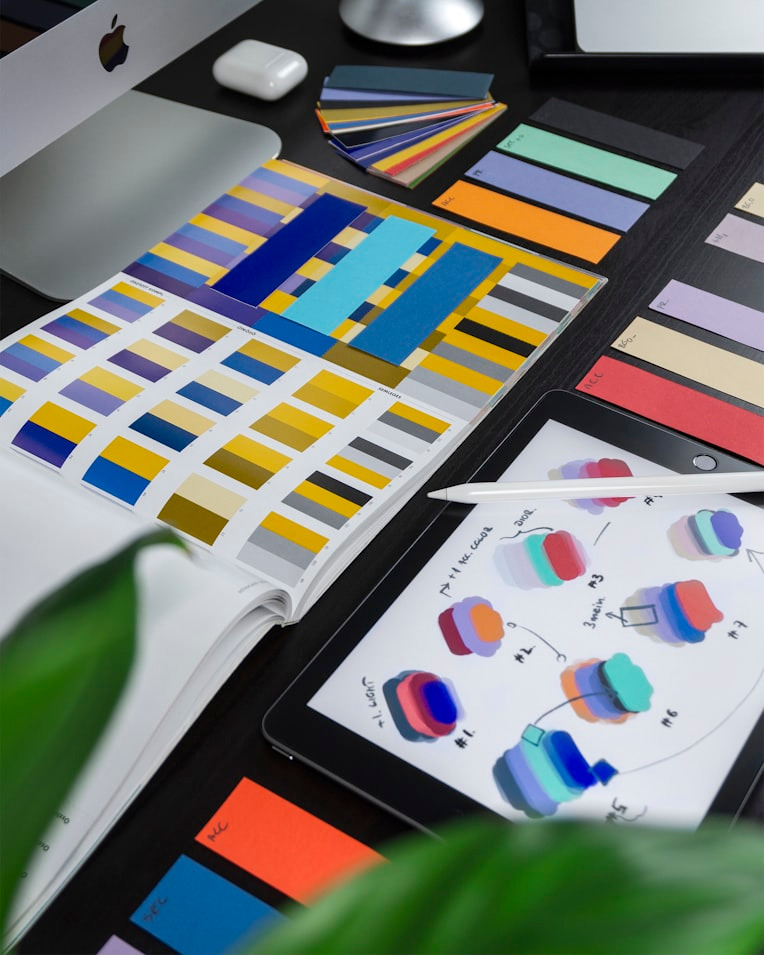
Visualizing your project requires a centralized hub for all your thoughts. Since a virtual whiteboard allows you to brainstorm and collaborate in real-time, you can gather every mood board and color swatch in one place. This creates a clear path forward for your creative team. Seeing everything together helps you spot things that do not fit.
You can use this space to test out different combinations of images and text. Moving elements around helps you see how they interact with each other. It is a great way to build a style guide that everyone can follow. This step keeps your vision steady as you move from the planning phase to the actual creation.
Get to Know Your Audience
You cannot create a look that works if you do not know who is watching. Understanding your fans requires looking at their habits and what they care about most. An article on female entrepreneurship explained that audience insight involves looking at psychographic and behavioral data. You need to know what identity your followers are trying to build for themselves.
When you know your audience, you can tailor your visuals to meet their expectations. If they like high-energy content, you might use fast cuts and loud colors. If they prefer learning, you might use steady layouts and readable fonts. Matching your style to their needs creates a stronger bond between you and your community. any creators strengthen that connection through authentic engagement formats that make their visual identity feel more personal and community-driven rather than purely aesthetic.
The Power of Sensory Design
Visuals are only one part of the branding experience. Modern design is moving toward a sensory approach where texture and depth matter quite a bit. One design agency suggested that brands now want to be felt rather than just seen. This means adding elements that give your work a sense of touch and movement.
You can achieve this by using specific textures or even sound cues in your videos. It adds a layer of professionalism that simple flat designs often lack. People react to these details even if they do not notice them right away. It makes your digital presence feel like a physical space that people can inhabit.
Conduct a Regular Visual Audit
Your brand will change as you grow, so you must check in on it often. A visual audit helps you see if your current posts match the goals you set at the start. One marketing firm suggests recording your color palette and logo treatment to see if they still work. You should look for trends in your own work to see what is successful.
Performing this audit every few months keeps your brand from becoming messy. It allows you to prune away styles that no longer fit your message. You can also see how your look compares to other creators in your niche. This keeps you fresh and prevents your content from looking outdated.
- List all the primary and secondary colors you use.
- Check that your fonts are easy to read on mobile devices.
- Review your logo placement on different types of content.
- Look at the lighting and filters used in your photography.
Regularly updating these elements ensures your brand stays relevant. It is easier to make small changes over time than to do a full rebrand later. Keep a folder of your best work to use as a reference for future projects. This simple habit saves you a lot of time and effort in the long run. For creators managing visuals across multiple platforms, organizing large media files efficiently also becomes important for keeping brand assets consistent and easy to reuse.
Control Your Digital Presence
Social media apps change their rules all the time, which can hurt your brand. Many creators are now moving toward spaces they actually own, like personal websites. A branding journal recently pointed out that the strongest brands stop trying to be everywhere at once. They focus on newsletters and communities where they have total control.
Owning your platform lets you design the experience exactly how you want it. You do not have to worry about an algorithm changing how your colors look or how your text is displayed. It gives your audience a dedicated home to find your work. This level of control is necessary for maintaining a truly cohesive look.
The Shift Toward Real Content
People are starting to get tired of seeing perfectly edited photos all day. There is a new trend toward showing the unpolished reality of your creative process. An industry report noted that the most successful content now favors reality over AI-enhanced production. Letting your audience see the “behind the scenes” work builds a lot of trust.
This does not mean your brand should look messy or low-quality. It just means you should be honest about how things are made. Showing a messy desk or a failed project makes you human. It proves that there is a real person behind the screen putting in the work.
- Share photos of your workspace during a project.
- Post raw clips that show your creative struggle.
- Use natural lighting whenever it is possible.
- Talk about the mistakes you made while learning a new skill.
This honesty creates a community that feels connected to your growth. Your followers will appreciate the transparency and feel more invested in your success. It turns a simple brand into a story that people want to follow for years. That transparency is also part of why reality-focused content trends are outperforming overly polished branding across many creator niches in 2026
A strong look gives you the confidence to share your ideas with the world. It acts as a shield against the noise of the internet and helps you find your people. Take your time to get the details right, and do not be afraid to experiment. Your brand is a reflection of your journey as a creator.