



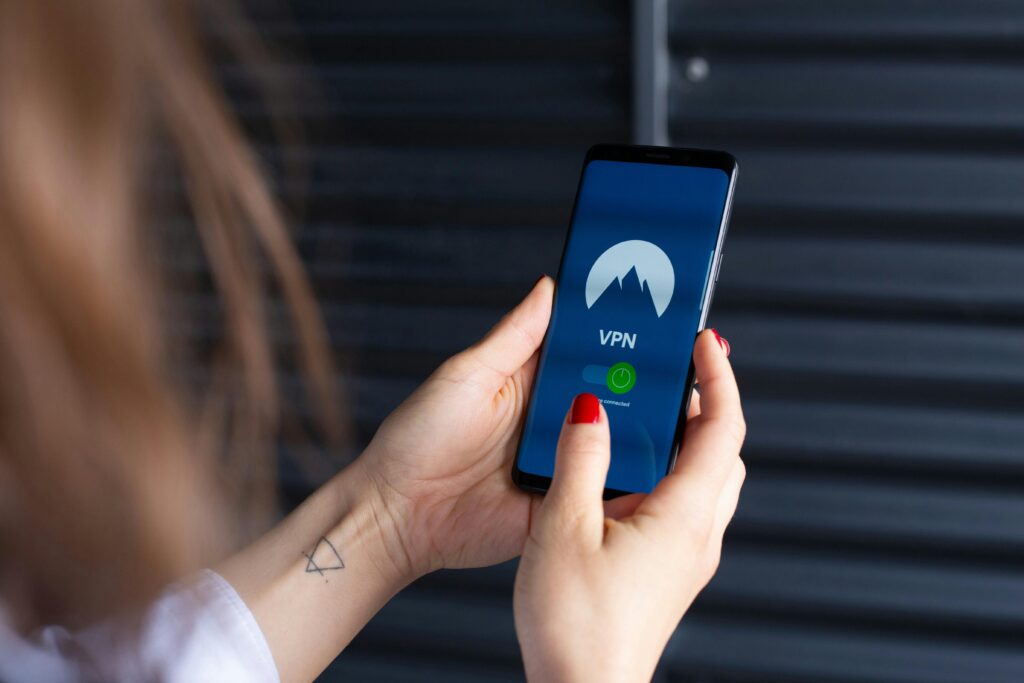
Instagram presents itself as a single global platform, yet stable access to it is far from guaranteed. For casual users, issues may appear random or rare. To creators, agencies, media teams, and businesses that rely on Instagram on a daily basis, access issues are common, expensive and disruptive. Uploads fail without explanation. Stories freeze at the last second. Ads get stuck in review. Sessions drop repeatedly, even when account credentials are correct.
In most cases, these problems have little to do with content quality or account behavior. They are caused by network signals: IP location, routing stability, traffic filtering by providers, and sudden changes that Instagram’s systems treat as risk. Hoping that a local internet connection behaves well is unreliable. Stable access requires control over how traffic reaches Instagram. That is where VPN services enter the picture — not as bypass tools, but as infrastructure
Social Network Access Limits and Regional Barriers on Instagram
Instagram is governed by platform regulations as well as local laws. Governments in most of the areas need platforms that can limit features, block content types or slow down when there is a sensitive time. NetBlocks has reported partial or complete Instagram outages numerous times during elections, protests or civil unrest in Asia, Africa, or Eastern Europe.
Even without formal bans, users face silent restrictions that are harder to diagnose:
- Reels upload but never publish
- Stories post but don’t appear to followers
- Live streams drop after a few minutes
- Music libraries or monetization tools disappear
Internet providers also play a role. Some throttle Meta traffic to manage bandwidth. Others route traffic through congested or unstable paths. From the platform’s perspective, this looks like unreliable behavior: packet loss, broken sessions, or repeated retries.
For professionals managing Instagram pages, these limits translate directly into lost reach, missed campaigns, and wasted hours. Stable access is not about avoiding rules. It’s about ensuring that network conditions don’t sabotage legitimate work.
How VPN Services Change Network Paths
A VPN service changes how traffic travels between your device and Instagram. Instead of relying on the local internet provider’s routing, data is sent through a managed server in another location. This single change affects several critical signals.
First, the IP origin changes. Instagram uses IP location to determine regional access and trust. A VPN replaces a local IP with one from a chosen region, often avoiding provider-level blocks or throttling.
Second, local filters are bypassed. VPN tunnels route traffic outside ISP-level shaping or filtering rules. This often resolves issues like stalled uploads or broken live sessions.
Third, packet delivery improves. Poor routing causes dropped frames and failed uploads. Well-maintained VPN servers use cleaner routes with fewer hops and less packet loss.
Finally, routing becomes predictable. Instagram prefers stable patterns. Reusing the same VPN location often works better than fluctuating local networks, especially in regions with inconsistent infrastructure.
The result is not anonymity or invisibility. It’s a calmer, more controlled connection that Instagram handles with fewer errors.
VPN Services and Account Access Consistency on Instagram
Instagram tracks far more than usernames and passwords. It monitors IP history, session duration, device type, login timing, and location changes. When these signals shift too often, automated systems respond with security checks, temporary locks, or action limits.
This is where many teams run into trouble. I’ve seen marketing departments lose access to business profiles days after international travel, simply because access came from different countries within hours. Using a vpn service with a fixed location helps keep these signals consistent, so Instagram sees stable behavior instead of risk, and the account remains accessible without extra checks.
Using a VPN with a fixed location avoids this pattern. When access consistently comes from one region, trust signals remain intact. This matters most for:
- Business Manager accounts
- Ad accounts
- Creator monetization features
- Accounts with high posting volume
The key is consistency, not concealment. A VPN becomes a stable access point that allows international work without confusing Instagram’s risk systems.
Choosing VPN Services for Instagram Use
Not all VPN services work well with Instagram. Many advertise speed but fail under real-world conditions. For Instagram, raw speed is less important than routing quality and IP reputation.
When choosing a VPN, focus on:
- Clean IP pools: Instagram flags IPs with abuse history quickly. Recycled or overused IPs cause checks.
- Fixed server locations: Accounts tied to one country should not jump regions.
- Stable upload performance: Stories, Reels, and live streams fail first on unstable links.
- No traffic shaping: Some VPNs interfere with media uploads or video calls.
Paid providers with owned infrastructure tend to outperform resellers. Free VPNs recycle IPs aggressively, which Instagram detects fast. I’ve watched accounts get restricted simply because the VPN rotated locations every few minutes.
Reliability matters more than promises.
Common Risks When Using VPN Services with Instagram
VPNs fix the issues of access, yet they cause new issues in case of careless usage. Instagram responds to trends that appear abnormal, regardless of whether the intention is positive or negative.
Common issues include:
- Repeated security challenges
- Temporary posting or commenting blocks
- Forced password resets
- Failed ad approvals
These usually stem from sudden location changes, shared IP overload, or long sessions on unstable servers. Running a VPN all day with auto-rotation enabled is risky. One stable location is far safer than multiple random ones.
VPN use itself is not prohibited. Erratic behavior is what triggers automated responses.
Best Practices for Stable Instagram Access
Stability comes from habits, not tools alone. Over years of managing accounts, a few simple rules prevent most issues:
- Use one VPN location per account
- Disable automatic server rotation
- Keep devices and browsers consistent
- Test uploads before live sessions
- Avoid logging in from multiple networks on the same day
When configured properly, a VPN stays invisible. It doesn’t attract attention. It simply keeps Instagram usable when local networks fail.
Legal and Platform Policy Considerations
The use of VPN is not banned in most countries, such as the United States, Canada, the major part of the EU, Japan, and Australia. In other nations, like China or Iran, it is limited or regulated. Never disregard local legislations and findings of such organizations as the Freedom House or the Electronic Frontier Foundation.
Instagram allows VPN use. What it prohibits is abuse: fake ad locations, automation, or actions that violate local law. Most account flags I’ve seen were not caused by VPNs themselves, but by unstable IP behavior or known data center ranges.
To stay within platform rules:
- Use stable or residential-style IPs
- Avoid unnecessary country changes
- Keep account activity aligned with profile details
VPNs do not remove tax obligations or content rules. They help with access, not exemption.
Long-Term Role of VPN Services in Instagram Access
VPNs are no longer temporary fixes. For many creators and businesses, they are part of daily infrastructure. Cloudflare data shows VPN traffic spikes during regional outages and political events, not only during censorship.
In the long term, VPNs serve three main roles:
- Maintaining access during local network failures
- Adding privacy on shared or public connections
- Giving control over routing when Instagram behaves differently by region
They are not magic shields. Detection improves, and laws evolve. The future favors responsible use, trusted providers, and legal awareness. For most users, VPNs won’t replace the internet. They will quietly support it, keeping Instagram functional when it otherwise wouldn’t be.
VPN Services vs Alternative Access Methods
When Instagram breaks, users often try browser proxies or mobile data. Proxies rely on shared IPs with long abuse histories and fail quickly. Mobile networks work briefly but rotate IPs often and suffer latency spikes.
VPN services operate at a deeper network level, routing traffic in ways that resemble normal user behavior. From hands-on testing with brand and creator accounts, VPNs kept sessions active longer and reduced login friction. For professional use, consistency always beats shortcuts.
Future Trends in Instagram Access Management
Instagram is moving toward long-term behavior analysis. Trust now depends on patterns, not isolated actions. Network behavior, device consistency, session timing, and IP reputation matter more each year. Meta’s public security updates confirm this shift.
At the same time, regional regulations are expanding. More governments require localized controls, leading to uneven access. In this environment, predictable routing matters more than raw speed.
VPN services will remain useful, but only when used carefully. Fixed locations, clean connection history, and steady usage patterns will matter more than rotating servers. The future belongs to quiet reliability, not aggressive workarounds.