



Social media moves fast. Every second, people share photos, send messages, react to posts, and scroll through endless feeds. Behind all this activity is something called fast data—the technology that makes everything feel instant and smooth. Without it, your favorite apps would feel slow and frustrating.
Fast data for social media apps is not just a technical detail. It shapes how you experience these platforms every day. From the moment you open an app to when you see a friend’s new post, fast data is working in the background. It affects everything from security to advertising to customer service.
In this article, we will explore why fast data matters so much for social media. You will learn how it improves your experience as a user, helps businesses make better decisions, and keeps platforms safe from threats. Whether you are a casual user or someone who manages social media for a business, understanding fast data can help you get more from these powerful platforms.
What Is Fast Data and Why Does It Matter?
Fast data refers to information that is processed and acted upon almost immediately after it is created. Think about what happens when you like a photo on Instagram or send a message on WhatsApp. That action needs to be recorded, processed, and reflected across the platform in a fraction of a second. This is fast data at work.
The concept is closely related to real-time data, which describes information that is available and useful right away. Traditional data processing might take hours or even days. Fast data happens in milliseconds.
For social media apps, this speed is essential. Users expect instant responses. When you post a comment, you want to see it appear right away. When someone mentions you, you expect a notification within seconds. Any delay feels broken or outdated.
Fast data also enables features that would be impossible otherwise. Live streaming, real-time polls, trending topics, and instant messaging all depend on data moving quickly through systems. Without fast data processing, these features simply would not work.
The technology behind fast data includes specialized databases, streaming platforms, and distributed computing systems. These tools work together to handle massive amounts of information without slowing down. For social media platforms serving millions of users simultaneously, this infrastructure is absolutely critical.
The Growing Volume of Social Media Data
The amount of data created every day is staggering. According to Statista, global data creation continues to grow at an incredible pace year after year. Social media platforms contribute significantly to this growth.
Every photo upload, video view, comment, like, share, and message adds to the data pile. Multiply that by hundreds of millions of active users, and you start to understand the scale. Social platforms must process this flood of information continuously without missing a beat.
This massive data volume creates both challenges and opportunities. The challenge is obvious—handling so much information requires serious computing power and smart engineering. The opportunity lies in what you can learn from all that data when you process it quickly enough.
When discussing trending tech on social media, data processing capabilities often come up as a key factor. Companies that can handle data faster gain competitive advantages. They can spot trends earlier, respond to users quicker, and deliver better experiences overall.
The growth shows no signs of slowing down. New features like short-form video, augmented reality filters, and interactive content all generate even more data. Platforms must constantly upgrade their fast data capabilities just to keep up with user expectations.
How Fast Data Improves User Experience

User experience on social media depends heavily on speed. When everything loads quickly and responds instantly, the app feels natural and enjoyable. When things lag or stutter, frustration sets in fast.
Fast data for social media apps enables several key experience improvements. First, there is feed personalization. The content you see is selected based on your interests, past behavior, and current trends. This selection happens in real time as you scroll. Without fast data processing, feeds would feel generic and less engaging.
Notifications also rely on speed. When someone comments on your post or sends you a message, you expect to know about it right away. Fast data systems ensure these alerts reach you within seconds, keeping conversations flowing naturally.
Search and discovery features benefit too. When you search for a hashtag or look for a specific account, results need to appear instantly. Fast data makes this possible even when searching through billions of posts and profiles.
Understanding how data center locations affect social media performance helps explain why some users have better experiences than others. Physical distance between users and servers can add delays. Platforms use distributed data centers and caching strategies to minimize these delays and keep experiences fast everywhere.
Live features present the biggest challenge. Live video, real-time reactions, and simultaneous viewing experiences require data to move at incredible speeds. Any noticeable delay breaks the illusion of being “live” and diminishes the experience.
Fast Data and Social Media Security

Security on social media platforms requires constant vigilance. Threats can emerge at any moment, and the window to respond is often very short. Fast data processing is essential for detecting and stopping these threats before they cause harm.
Consider spam and bot detection. Malicious accounts often try to flood platforms with unwanted content or manipulate conversations. Fast data systems can identify suspicious patterns—like an account posting hundreds of times per minute—and take action immediately.
Detecting fake app behavior is another area where speed matters. Fraudulent applications sometimes try to impersonate legitimate social media apps to steal user data. Quick detection and response protect users from these scams.
When it comes to keeping social media accounts safe, real-time monitoring plays a crucial role. If someone tries to access your account from an unusual location or device, fast data systems can flag this activity and prompt additional verification before any damage is done.
Privacy protection also benefits from fast data. Understanding online privacy considerations for social media becomes more important as platforms collect more information. Fast data systems can help enforce privacy settings in real time, ensuring that content is only visible to intended audiences.
Harassment and harmful content detection increasingly rely on fast data too. Automated systems scan posts and comments as they are created, flagging potential violations for review. The faster these systems work, the less exposure harmful content receives.
Better Business Decisions with Real-Time Insights
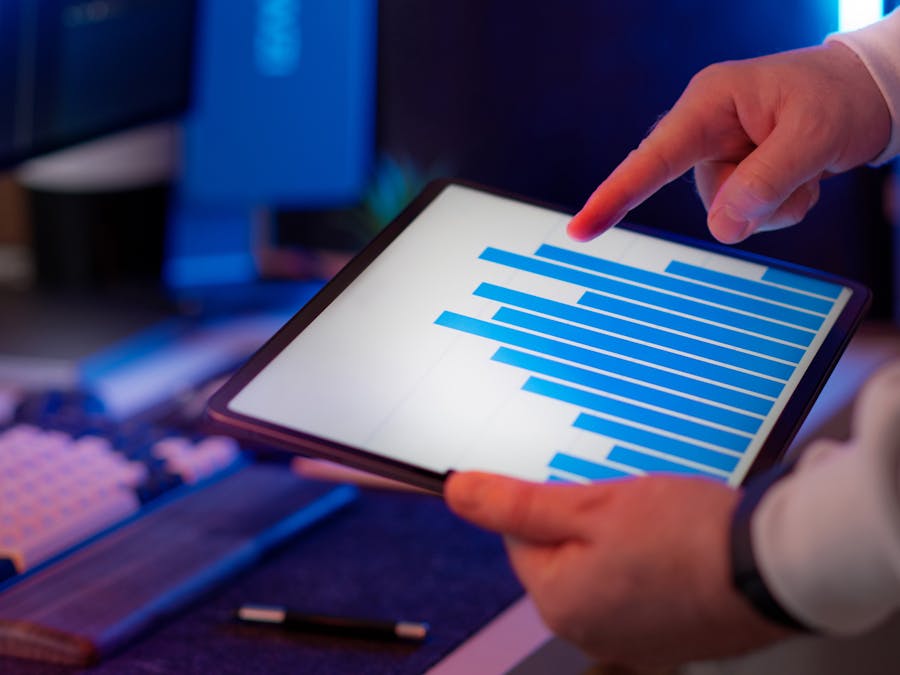
Businesses using social media need information to make smart decisions. Fast data transforms raw social media activity into actionable insights that can guide strategy in real time.
Campaign performance tracking is a prime example. When you launch a social media campaign, you want to know immediately how it is performing. Are people engaging? Is the message resonating? Fast data lets you see results as they happen, not days later when it might be too late to adjust.
Research from Forrester has highlighted how businesses that leverage data-driven insights tend to outperform their competitors. In the social media context, this means using fast data to understand audience behavior, track sentiment, and identify opportunities.
Competitive monitoring also benefits from speed. When a competitor launches a new product or faces a public relations issue, fast data helps you know about it quickly. This awareness lets you respond appropriately, whether that means adjusting your own messaging or capitalizing on an opportunity.
Trend identification is perhaps the most exciting application. Social media trends can emerge and fade within hours. Fast data systems can spot these trends as they develop, giving businesses a chance to participate while the topic is still relevant.
Customer feedback analysis rounds out the business benefits. Comments, reviews, and mentions contain valuable information about what customers think. Fast data processing turns this unstructured feedback into organized insights that can improve products and services.
Fast Data Powers Social Media Monetization
Advertising is the primary revenue source for most social media platforms. Fast data makes this advertising more effective and valuable for everyone involved.
Ad targeting relies heavily on real-time data processing. When you see an advertisement on social media, it was selected for you based on your interests, demographics, and recent behavior. This selection happens in milliseconds as the page loads. Better targeting means more relevant ads for users and better results for advertisers.
Exploring social media monetization strategies reveals how central fast data has become. From programmatic advertising to influencer partnerships, data speed affects every revenue stream.
Real-time bidding is a specific example. When an ad space becomes available, multiple advertisers compete for it in an instant auction. Fast data systems process these bids and select winners in fractions of a second. This process happens billions of times per day across major platforms.
Creator monetization also depends on fast data. Platforms need to track views, engagement, and other metrics accurately to compensate creators fairly. Real-time tracking ensures creators see their earnings update as their content performs.
Fraud prevention in advertising requires speed too. Invalid clicks, fake impressions, and other fraudulent activities can waste advertiser budgets. Fast data systems detect these patterns and filter them out before they affect billing.
Real-Time Customer Service on Social Platforms
Social media has become a major channel for customer service. People expect quick responses when they reach out to brands through these platforms. Fast data makes responsive service possible.
Understanding social media customer service best practices shows how important speed has become. Customers often choose social media for support precisely because they expect faster responses than traditional channels.
Monitoring mentions and messages requires fast data processing. Brands need to know immediately when someone mentions them, especially if the mention involves a complaint or urgent issue. Delayed awareness means delayed response, which can escalate problems.
Chatbots and automated responses depend on fast data too. When you message a brand and receive an instant reply, fast data systems are processing your message, understanding your intent, and generating an appropriate response. All of this happens in seconds.
Sentiment analysis helps prioritize customer service efforts. Fast data systems can analyze the tone of incoming messages and flag urgent or negative ones for immediate attention. This prioritization ensures that the most critical issues get addressed first.
Service teams also benefit from real-time dashboards that show current activity levels, response times, and customer satisfaction metrics. These dashboards help managers allocate resources effectively and maintain service quality during busy periods.
Fast Data for Content Scheduling and Analytics
Content creators and social media managers rely on data to plan their posting strategies. Fast data helps them understand what works and when to post for maximum impact.
Using social media scheduling tools effectively requires understanding audience behavior patterns. When are your followers most active? What types of content generate the most engagement? Fast data provides answers to these questions.
Optimal posting time recommendations come from analyzing engagement patterns across your audience. Fast data systems track when your followers are online and when they are most likely to interact with content. This analysis updates continuously as behavior patterns change.
Performance tracking after posting also relies on speed. When you publish content, you want to see how it performs right away. Fast data systems provide real-time metrics on views, likes, comments, shares, and other engagement indicators.
A/B testing benefits from fast data too. When testing different versions of content, quick results help you identify winners faster. This speed lets you iterate and improve your content strategy more efficiently.
Competitive benchmarking rounds out the analytics picture. Fast data systems can track competitor performance alongside your own, helping you understand how your content stacks up in your industry or niche.
Social Commerce and Real-Time Data

Shopping through social media has grown significantly. Fast data enables the seamless experiences that make social commerce successful.
Understanding how social media influences e-commerce decisions reveals the importance of real-time data. From product discovery to purchase completion, fast data keeps the experience smooth.
Inventory management requires real-time updates. When products sell out, that information needs to reflect immediately across all channels. Fast data prevents the frustrating experience of trying to buy something that is no longer available.
Personalized product recommendations depend on fast data processing. As you browse products on social media, the platform analyzes your behavior and suggests items you might like. This personalization happens in real time, making the shopping experience feel tailored to you.
Price updates and promotions also benefit from speed. Flash sales, limited-time offers, and dynamic pricing all require fast data systems to work correctly. Delays could mean showing incorrect prices or missing promotional windows.
Payment processing through social platforms requires both speed and security. Fast data systems verify transactions, check for fraud, and confirm purchases in seconds. This quick processing keeps the checkout experience smooth and builds trust with shoppers.
Customer reviews and ratings update in real time too. When someone reviews a product, that feedback becomes visible to other shoppers immediately. This fresh information helps buyers make informed decisions.
Getting Started with Fast Data for Your Social Strategy
Whether you are managing social media for a business or just want to understand these platforms better, appreciating fast data can help you get more value from your efforts.
Start by paying attention to the real-time features available on your platforms. Live analytics, instant notifications, and trending topics all represent fast data in action. Using these features effectively can improve your results.
Consider the tools you use for social media management. Look for options that provide real-time data and quick updates. The faster you can see what is happening, the faster you can respond and adapt.
Think about timing in your content strategy. Fast data reveals when your audience is most active and engaged. Use this information to schedule posts for maximum impact rather than guessing.
Stay aware of security features that rely on fast data. Enable notifications for unusual account activity. Review your privacy settings regularly. These protections work best when you engage with them actively.
Finally, remember that fast data for social media apps continues to evolve. New features and capabilities emerge regularly. Staying curious about these developments helps you take advantage of improvements as they become available.
Fast data is not just a technical concept—it is the foundation that makes modern social media possible. Understanding its importance helps you appreciate what these platforms can do and how to use them more effectively.