



Social media can feel like a constant race to stay relevant. You post content, hope people see it, and wonder why some posts take off while others barely get noticed. The secret often comes down to timing and relevance. When you connect your content to what people are already thinking about, talking about, or experiencing, engagement naturally increases.
Using real-world events social media engagement strategies helps you tap into conversations that are already happening. Instead of trying to create interest from scratch, you join discussions that your audience cares about right now. Whether it’s a holiday, a weather event, a cultural moment, or a trending topic, these real-world connections make your content feel timely and worth engaging with.
This guide walks you through practical ways to use real-world events to boost your social media engagement. You’ll learn how to plan ahead for predictable events, respond quickly to trending topics, and turn short-term engagement spikes into lasting relationships with your audience.
Why Real-World Events Matter for Social Media
Real-world events create natural conversation opportunities that your audience is already primed to participate in. When something significant happens in the world, people want to talk about it, share their experiences, and connect with others who feel the same way. This creates a perfect opening for brands and content creators to join the conversation.
Think about how people behave during major events. During a big sports game, fans flood social media with reactions. During a snowstorm, people share photos and stories. During holidays, everyone is posting themed content. These moments represent times when people are actively looking for content to engage with.
Platform algorithms also favor timely, engaging content. The Instagram algorithm prioritizes posts that generate quick engagement, and event-based content often performs well because people are actively searching for and engaging with related topics. When you post about something happening right now, you’re more likely to appear in feeds and explore pages.
Understanding social signals and trends helps you identify when your audience is most receptive to certain types of content. By paying attention to what people are talking about and how they’re feeling, you can create content that resonates deeply and drives meaningful engagement.
Real-world events also make your brand feel more human and relatable. When you acknowledge what’s happening in the world, you show that you’re paying attention to the same things your audience cares about. This builds connection and trust over time.
Types of Real-World Events You Can Use
Not all events are created equal when it comes to social media potential. Understanding the different categories of events helps you plan your content strategy more effectively and identify opportunities that align with your brand.
Holidays and seasonal celebrations are the most predictable type of event. You know exactly when they’re coming, which gives you plenty of time to plan content. These include major holidays like Christmas, Thanksgiving, and New Year’s, as well as smaller observances like National Coffee Day or World Mental Health Day.
Weather and environmental events create relatable content opportunities because everyone experiences weather. First snow of the season, heat waves, spring blooms, and autumn leaves all give you chances to connect with your audience over shared experiences.
Cultural moments and entertainment events include award shows, movie releases, TV show finales, and viral moments. These events generate massive online conversations that brands can participate in when relevant.
Industry events and conferences matter for B2B brands and niche audiences. Trade shows, product launches, and industry announcements create opportunities to demonstrate expertise and engage with professional communities.
Local happenings work well for businesses with geographic focus. Community festivals, local sports teams, city events, and regional news all provide opportunities to connect with local audiences.
Trending topics and viral moments are the least predictable but can offer huge engagement potential. These require quick thinking and fast action to capitalize on before the moment passes.
Holidays and Seasonal Celebrations
Holidays offer some of the strongest engagement opportunities because people are already in a celebratory mood and actively looking for themed content. The key is planning ahead and finding creative angles that fit your brand.
Major holidays like Valentine’s Day give you clear themes to work with. You can create content around love, relationships, self-care, or even playful takes on being single. The specific angle depends on your brand and audience, but the holiday provides a natural hook that makes your content feel timely.
Seasonal transitions also create engagement opportunities. The start of summer, back-to-school season, and the holiday shopping period all represent times when people’s routines and priorities shift. Content that acknowledges these transitions feels relevant and helpful.
Lesser-known observance days can work well for niche audiences. National Small Business Day, World Photography Day, or International Women’s Day might align perfectly with your brand values and give you a reason to create meaningful content.
When planning holiday content, think beyond the obvious. Everyone posts “Happy Valentine’s Day” messages. What can you offer that’s more interesting, useful, or entertaining? Maybe it’s a behind-the-scenes look at how your team celebrates, a helpful tip related to the holiday, or a creative twist on traditional themes.
Start planning major holiday content at least a month in advance. This gives you time to create quality content, coordinate with any partners or team members, and schedule posts at optimal times.
Weather and Environmental Events
Weather affects everyone, making it one of the most universally relatable content topics. When it’s unusually hot, cold, rainy, or snowy, people naturally want to talk about it. This creates opportunities for brands to join conversations that feel authentic and timely.
Seasonal weather changes offer predictable content opportunities. The first warm day of spring, the first snow of winter, and the peak of fall foliage all generate social media activity. You can plan content around these moments while staying flexible about exact timing.
Extreme weather events require more sensitivity. While a light snowfall might be fun to post about, severe weather that causes damage or danger requires a different approach. Focus on being helpful rather than promotional during serious weather events.
For brands that want to automate weather-based content triggers, a weather API for social media can help you create location-specific content that responds to current conditions. This works well for businesses with multiple locations or those whose products relate to weather conditions.
Environmental awareness days like Earth Day, World Environment Day, and Climate Action Week also fall into this category. These events let you highlight sustainability efforts or share content that aligns with environmental values your audience cares about.
How to Plan Event-Based Content in Advance
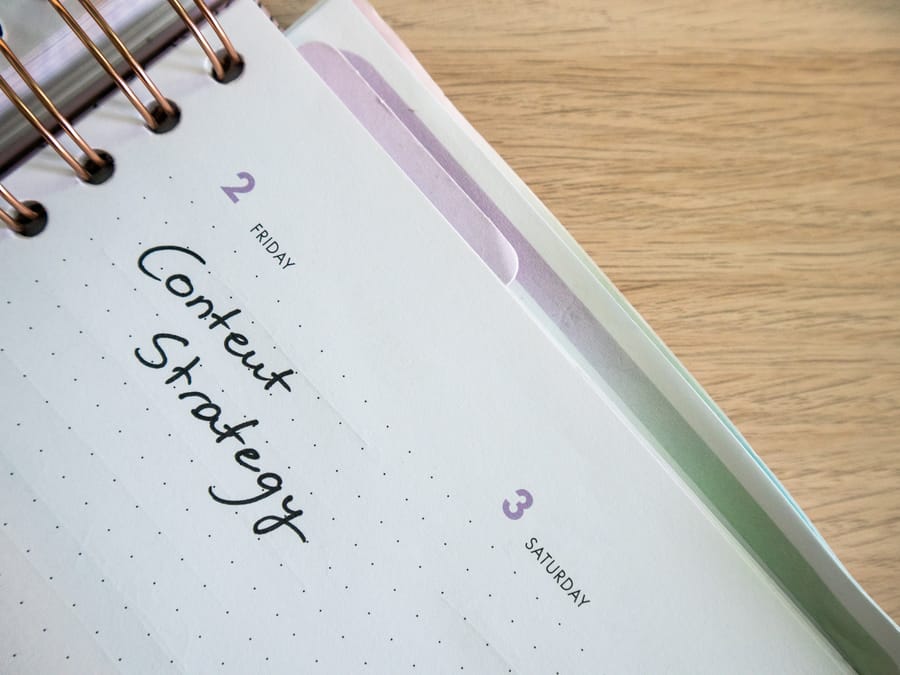
Successful event-based content requires planning. While some opportunities require quick responses, many events are predictable and give you time to prepare quality content that performs well.
Start by creating a content calendar that maps out major events throughout the year. Include holidays, seasonal moments, industry events, and any dates that matter specifically to your brand or audience. This gives you a bird’s-eye view of upcoming opportunities.
For each event, brainstorm content ideas well in advance. What angle makes sense for your brand? What format will work best? Do you need to create graphics, write copy, or coordinate with team members? Having answers to these questions ahead of time prevents last-minute scrambling.
Consider how to align email and social media strategies for major events. When you coordinate campaigns across multiple channels, you create a more cohesive experience for your audience and maximize the impact of your event-based content.
Build in flexibility for timing. While you know Christmas is December 25th, the best time to post Christmas content might be earlier in the month when people are still planning and shopping. Test different timing approaches to see what works best for your audience.
During busy event periods, workload can increase significantly. Learning to manage engagement without burnout becomes essential when you’re creating more content and responding to more interactions than usual. Consider batching content creation and using scheduling tools to spread out the work.
Keep a running list of content ideas that you can pull from when events arise. Sometimes the best ideas come to you weeks before an event, and having a place to capture them ensures you don’t forget when it’s time to create.
Responding to Trending Topics in Real Time

Not all events can be planned for. Trending topics, viral moments, and breaking news require quick thinking and fast action. The brands that succeed with real-time content have systems in place to identify opportunities and respond appropriately.
Set up monitoring tools to track trending topics on platforms where your audience is active. Twitter’s trending section, Instagram’s explore page, and Google Trends all help you spot what people are talking about right now. Check these regularly throughout the day.
When you spot a trending topic, ask yourself a few questions before jumping in. Is this relevant to your brand? Can you add something valuable to the conversation? Is the topic appropriate for your brand to comment on? Not every trend is worth participating in, and forcing a connection can feel awkward or tone-deaf.
Speed matters with trending content, but quality still counts. A quick, thoughtful response beats a rushed, sloppy one. Have templates or frameworks ready that you can adapt quickly when opportunities arise.
Understanding social SEO trends helps you maximize visibility of trending content. Using relevant hashtags, keywords, and timing your posts strategically can help your content reach more people during peak interest periods.
Create a simple approval process for real-time content. If every post needs to go through multiple layers of approval, you’ll miss the window for trending topics. Empower team members to make quick decisions within established guidelines.
Document what works and what doesn’t. After participating in trending conversations, review how your content performed. This helps you refine your approach and make better decisions about which trends to join in the future.
Keeping Your Brand Voice Consistent During Events
Participating in event conversations shouldn’t mean abandoning your brand identity. The most successful event-based content feels authentic to your brand while still being relevant to the moment.
Before jumping into any event conversation, consider whether it aligns with your brand values. A fitness brand might naturally participate in conversations about New Year’s resolutions, but might feel out of place commenting on a political event. Stay in your lane and focus on events that make sense for your brand.
Your tone should remain consistent even when the topic changes. If your brand voice is playful and casual, your holiday content should feel playful and casual too. If you’re typically more professional and informative, maintain that approach during events.
Working to strengthen your brand identity on social media makes event-based content easier. When you have a clear sense of who you are as a brand, you can quickly evaluate whether an event fits and how to approach it authentically.
Be careful with sensitive topics. Some events touch on serious issues that require thoughtful handling. For example, eco-conscious companies can authentically participate in environmental awareness events because sustainability is part of their identity. Brands without genuine environmental commitments might come across as opportunistic if they suddenly post about Earth Day.
Avoid controversial topics unless they’re central to your brand mission. Political events, divisive social issues, and sensitive news stories can alienate portions of your audience. Unless taking a stand is part of your brand identity, it’s often safer to sit out these conversations.
Create guidelines for your team about which types of events to participate in and how to handle different situations. This ensures consistency even when different team members are creating content.
Encouraging Audience Participation Around Events
The best event-based content doesn’t just broadcast your message. It invites your audience to participate. Interactive content generates more engagement and helps build stronger connections with your followers.
Ask questions related to events. During holidays, ask about traditions. During weather events, ask how people are handling conditions. During cultural moments, ask for opinions. Questions give people an easy way to engage and feel heard.
Create polls and quizzes tied to events. These interactive formats are easy for people to participate in and can generate significant engagement. A simple “Which holiday movie is your favorite?” poll during December can spark conversations and shares.
Encourage user-generated content around events. Ask followers to share photos, stories, or experiences related to a theme. This not only generates engagement but also provides you with content to reshare, extending the conversation further.
Learning to boost engagement with reviews and user feedback can amplify your event-based campaigns. When people share their experiences with your brand during special moments, it creates authentic content that resonates with others.
Run contests or giveaways tied to events. These can generate significant engagement and help you reach new audiences. Make sure the prize is relevant to both the event and your brand for best results.
Respond to people who engage with your event content. When someone takes the time to answer your question or share their experience, acknowledge them. This encourages more participation and shows that you value your community.
Focus on building a real social media audience through authentic event participation. The goal isn’t just to get likes and comments. It’s to create genuine connections with people who will continue engaging with your content long after the event ends.
Use event-based content to showcase your community. Highlight customer stories, feature user-generated content, and celebrate your followers. This makes people feel valued and encourages ongoing participation.
Turning Event Engagement into Long-Term Results
Event-based content often generates engagement spikes, but the real value comes from converting that short-term attention into lasting relationships. Here’s how to make the most of event-driven engagement.
Capture new followers during high-engagement periods. When your event content performs well, you’ll likely attract new followers. Make sure your profile clearly communicates what you’re about so these new followers know what to expect from your content going forward.
Follow up with people who engaged during events. If someone left a thoughtful comment or shared your content, consider reaching out to thank them or continue the conversation. These personal touches help convert casual engagers into loyal followers.
Analyze what worked during events and apply those lessons to your regular content. If a certain type of post performed exceptionally well during a holiday, consider how you might adapt that approach for everyday content.
Use event engagement to build your email list or other owned channels. Social media engagement is valuable, but having direct contact with your audience through email or other channels gives you more control over the relationship.
Look for opportunities to monetize your social media presence during high-engagement periods. Event-driven traffic can be a good time to promote products, services, or partnerships that align with the moment.
Create content that bridges events to your regular offerings. If you posted about summer activities, follow up with content about how your product or service fits into summer routines. This helps maintain relevance after the event passes.
Build anticipation for future events. If your audience loved your holiday content, let them know you’ll be doing something special next year. This keeps people engaged and looking forward to what’s coming.
Track the long-term impact of event-based content. Look beyond immediate engagement metrics to see whether event content helped you gain followers, increase website traffic, or generate leads over time. This helps you understand the true value of your event-based strategy.
Remember that real-world events social media engagement is about more than just capitalizing on trending moments. It’s about showing your audience that you’re paying attention to the same things they care about, and that you’re here to add value to their experience. When you approach events with authenticity and a genuine desire to connect, the engagement follows naturally.