



Instagram has become one of the most powerful platforms for connecting with audiences, building brands, and driving sales. But behind every successful marketing campaign lies something many people overlook: data. When you combine Instagram data with artificial intelligence, you unlock a whole new level of marketing potential.
Instagram datasets for AI marketing give businesses the ability to understand their audience deeply, predict trends, and create content that truly resonates. Instead of guessing what might work, marketers can now make decisions based on real patterns and insights drawn from millions of posts, comments, and user behaviors.
In this guide, we’ll walk through everything you need to know about using Instagram datasets to power your AI-driven marketing efforts. Whether you’re just getting started or looking to refine your approach, you’ll find practical advice you can put into action right away.
What Are Instagram Datasets?
Simply put, Instagram datasets are organized collections of information gathered from the Instagram platform. This data can include a wide range of details about posts, users, hashtags, comments, engagement metrics, and more. Think of it as a structured library of everything happening on Instagram that can be analyzed and studied.
Marketers and researchers can access Instagram datasets through various providers who collect and organize this information in formats that are easy to work with. These datasets typically contain elements like post captions, the number of likes and comments, follower counts, posting times, hashtag usage, and even sentiment indicators from comments.
The types of data found in Instagram datasets generally fall into a few categories:
- Profile data: Information about user accounts, including follower counts, bio descriptions, account type, and posting frequency
- Content data: Details about individual posts such as captions, hashtags used, media type, and posting timestamps
- Engagement data: Metrics showing how people interact with content, including likes, comments, shares, and saves
- Audience data: Demographic and behavioral information about the people who follow and engage with accounts
When this raw data gets processed and organized properly, it becomes incredibly valuable for understanding what works on Instagram and why. Marketers can spot patterns that would be impossible to see just by scrolling through the app manually.
How AI Models Use Instagram Data

Artificial intelligence needs data to learn, and Instagram provides an enormous amount of it. When you feed Instagram datasets into AI systems, those systems can identify patterns, make predictions, and generate insights that humans simply couldn’t discover on their own.
AI models work by analyzing large amounts of information and finding connections within that data. For Instagram marketing, this might mean identifying which types of images get the most engagement, what posting times work best for specific audiences, or which hashtag combinations drive the most reach.
The process typically works like this: First, the AI system ingests the Instagram dataset. Then it processes the information, looking for patterns and relationships. Finally, it outputs insights or predictions that marketers can use to improve their strategies.
Here are some specific ways AI uses Instagram data:
- Content analysis: AI can examine thousands of posts to determine what visual elements, caption styles, and content themes perform best
- Sentiment analysis: By processing comments and captions, AI can gauge how people feel about brands, products, or topics
- Trend prediction: AI can spot emerging trends before they become mainstream by analyzing shifts in hashtag usage and content themes
- Audience segmentation: AI can group followers into distinct segments based on their behaviors and preferences
- Optimal timing: By analyzing engagement patterns, AI can recommend the best times to post for maximum visibility
The beauty of AI is that it never stops learning. As more data flows in, the models become more accurate and their predictions become more reliable. This creates a continuous improvement cycle that benefits marketers who commit to data-driven approaches.
Benefits of Using Instagram Datasets for Marketing

When you start using Instagram datasets for AI marketing, you’ll notice improvements across multiple areas of your marketing efforts. The benefits extend far beyond just knowing when to post.
One of the biggest advantages is the ability to make decisions based on evidence rather than intuition. While gut feelings have their place, data-driven decisions tend to produce more consistent results. You can test ideas, measure outcomes, and refine your approach based on what actually works.
Understanding your audience becomes much easier with dataset analysis. Instead of making assumptions about who follows you and what they want, you can see real patterns in their behavior. This knowledge helps you create content that genuinely connects with people rather than content you hope might work.
Competitive analysis also becomes more powerful. By analyzing datasets that include competitor information, you can see what’s working for others in your industry. This doesn’t mean copying their approach, but rather learning from their successes and avoiding their mistakes.
Time savings represent another significant benefit. AI can process and analyze data far faster than any human team could. Tasks that might take weeks to complete manually can be done in hours or even minutes with the right tools and datasets.
When you combine these insights with proven Instagram marketing strategies, you create a powerful foundation for growth. Data tells you what’s possible, and strategy helps you get there.
Collecting Instagram Data the Right Way
Before you can analyze Instagram data, you need to collect it properly. This involves both technical considerations and ethical responsibilities. Getting this right from the start saves headaches later.
The most straightforward approach is using Instagram’s official API. The Instagram API documentation provides detailed guidance on what data you can access and how to request it. Official API access ensures you’re working within Instagram’s terms of service and collecting data in a way that respects user privacy.
For businesses, the Instagram Graph API offers access to insights about your own account and content performance. This includes data about your followers, post engagement, and story metrics. While this data is limited to your own account, it’s extremely valuable for understanding your specific audience.
Some marketers need broader datasets that go beyond their own accounts. In these cases, working with established data providers becomes necessary. These companies specialize in collecting and organizing Instagram data at scale while maintaining compliance with relevant regulations.
Technical infrastructure matters when collecting data at scale. Using proxies for Instagram data collection can help manage request volumes and maintain stable connections. This becomes especially important when you’re gathering large amounts of information over time.
Key principles for ethical data collection include:
- Respect privacy: Only collect data that users have made publicly available
- Follow platform rules: Stay within Instagram’s terms of service and API guidelines
- Secure your data: Protect any collected information with appropriate security measures
- Be transparent: If you’re using data for research or marketing, be clear about your purposes
- Stay current: Regulations and platform policies change, so keep your practices up to date
Using Instagram Insights Alongside Datasets
While external datasets provide broad market intelligence, Instagram’s built-in analytics tool offers something equally valuable: detailed information about your specific account and audience. The smartest marketers use both together.
Instagram Insights gives you direct access to data about your followers, including their demographics, active times, and how they interact with your content. This first-party data is incredibly accurate because it comes straight from the platform itself.
Learning to use Instagram Insights for better posts should be a priority for any marketer. The tool shows you which posts perform best, what content types resonate with your audience, and how your reach and engagement change over time.
The combination of native insights and external datasets creates a complete picture. External datasets help you understand the broader Instagram landscape and what works across the platform. Native insights show you how those patterns apply specifically to your account and audience.
For those new to Instagram’s analytics, following a step-by-step Instagram Insights guide can help you get comfortable with the available metrics and what they mean for your strategy.
Some practical ways to combine these data sources include:
- Compare your engagement rates to industry benchmarks from external datasets
- Use external trend data to inform content ideas, then measure results with native insights
- Identify successful content patterns in external data and test them with your own audience
- Track how your performance compares to competitors over time
Targeting the Right Audience with Data
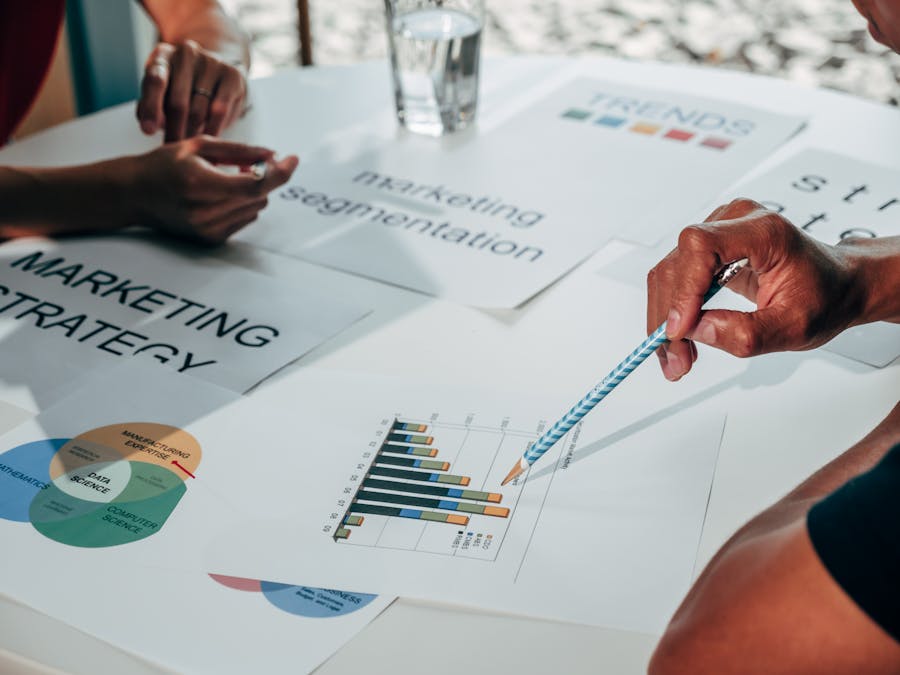
One of the most powerful applications of Instagram datasets for AI marketing is audience targeting. Instead of broadcasting your message to everyone and hoping it sticks, you can identify and reach the specific people most likely to become customers.
Dataset analysis helps you build detailed audience profiles. By examining the characteristics of people who engage with content similar to yours, you can identify common traits, interests, and behaviors. These profiles guide everything from content creation to ad targeting.
Geographic targeting becomes much more precise with the right data. Using location targeting tools alongside dataset insights helps you reach people in specific areas where your products or services are available. This is especially valuable for local businesses or brands expanding into new markets.
AI can segment your audience in ways that would be impossible to do manually. It might identify that your most engaged followers share certain characteristics you never considered, or that different segments respond to completely different types of content.
Effective audience targeting with data involves:
- Analyzing who currently engages with your content and why
- Identifying lookalike audiences who share characteristics with your best customers
- Understanding the content preferences of different audience segments
- Testing targeted content with specific groups and measuring results
- Continuously refining your targeting based on new data
Building a Growth Strategy with AI Insights
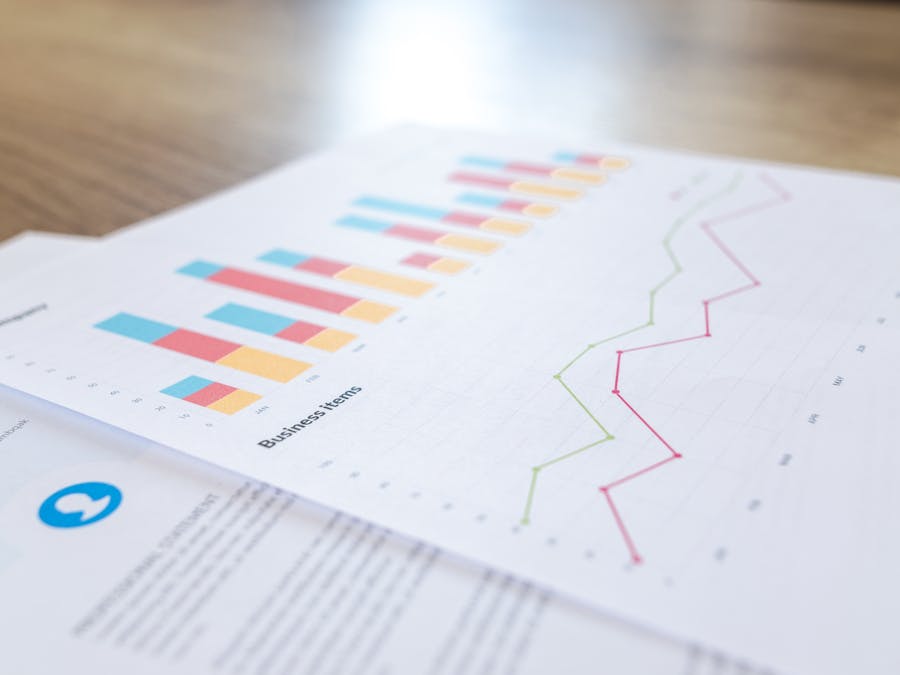
Having data is one thing. Turning that data into a coherent growth strategy is another. The most successful marketers use AI insights as the foundation for systematic, sustainable growth.
Start by establishing clear goals. What does growth mean for your brand? It might be follower count, engagement rate, website traffic, or direct sales. Your goals determine which metrics matter most and how you’ll measure success.
AI insights help you identify the specific actions most likely to drive growth. Rather than trying everything at once, you can focus on the tactics that data suggests will work best for your situation. This focused approach typically produces better results than scattered efforts.
A comprehensive growth guide can help you understand the fundamentals of Instagram growth, while AI insights help you customize those fundamentals for your specific audience and goals.
Building a solid growth strategy requires balancing short-term tactics with long-term thinking. Data might show you quick wins that boost engagement immediately, but sustainable growth comes from consistently delivering value to your audience over time.
Key elements of a data-driven growth strategy include:
- Content planning: Use data to determine what types of content to create and when to post
- Engagement tactics: Identify the best ways to interact with your audience based on what drives responses
- Hashtag strategy: Select hashtags based on reach potential and relevance to your target audience
- Collaboration opportunities: Find potential partners whose audiences align with yours
- Testing framework: Continuously experiment with new approaches and measure results
Infrastructure for AI-Powered Instagram Tools
Running AI tools effectively requires the right technical setup. Without proper infrastructure, even the best AI models will struggle to deliver results. Understanding these requirements helps you plan appropriately.
Processing power is a primary consideration. AI models, especially those analyzing large datasets, need significant computational resources. Cloud-based solutions offer flexibility, allowing you to scale resources up or down based on your needs.
For businesses running multiple Instagram tools or processing large amounts of data, using dedicated servers for Instagram tools can provide the reliability and performance needed for consistent operations. Shared hosting often can’t handle the demands of serious AI workloads.
Data storage is another important factor. Instagram datasets can be quite large, and you’ll need secure, accessible storage for both raw data and processed results. Consider how quickly you need to access data and how long you need to retain it.
Integration capabilities matter too. Your AI tools need to connect with other parts of your marketing stack, from content management systems to analytics platforms. Planning these integrations from the start prevents headaches later.
Essential infrastructure considerations include:
- Sufficient processing power for your AI workloads
- Reliable storage with appropriate backup systems
- Network capacity for data transfer
- Security measures to protect sensitive information
- Monitoring tools to track system performance
Measuring ROI from Data-Driven Marketing
Investing in Instagram datasets and AI tools only makes sense if you can demonstrate returns. Measuring ROI helps you justify continued investment and identify areas for improvement.
Start by establishing baseline metrics before implementing data-driven approaches. This gives you a clear comparison point for measuring improvement. Track metrics like engagement rate, follower growth, reach, and any business outcomes tied to your Instagram presence.
Attribution can be challenging with social media marketing. Not every interaction leads directly to a sale, but that doesn’t mean those interactions lack value. Consider both direct conversions and the role Instagram plays in your broader customer journey.
Understanding Instagram advertising effectiveness becomes easier when you have solid data. You can compare the performance of data-informed campaigns against previous efforts and calculate the actual return on your advertising spend.
Useful metrics for measuring ROI include:
- Cost per engagement: How much you spend to generate each like, comment, or share
- Cost per follower: The expense of acquiring new followers through various methods
- Conversion rate: The percentage of Instagram visitors who take desired actions
- Revenue attribution: Sales or leads that can be traced back to Instagram activity
- Time savings: Hours saved through automation and more efficient decision-making
Remember that some benefits of data-driven marketing are harder to quantify but still valuable. Better audience understanding, improved content quality, and more confident decision-making all contribute to long-term success even if they don’t show up immediately in revenue figures.
The key is consistency in measurement. Track the same metrics over time, and you’ll build a clear picture of how your data-driven approach is performing. Adjust your strategy based on what the numbers tell you, and you’ll continue improving your results.
Instagram datasets for AI marketing represent a significant opportunity for businesses willing to invest in understanding their audience and optimizing their approach. By combining quality data with intelligent analysis, you can create marketing strategies that truly connect with people and drive meaningful results for your business.