



Working with influencers can feel overwhelming when you’re just getting started. You might wonder how to find the right people, what to pay them, or how to know if your campaign actually worked. The good news is that building an influencer marketing strategy doesn’t have to be complicated.
When you break it down into clear steps, the whole process becomes much more manageable. You’ll learn how to set goals, find partners who genuinely fit your brand, create content that resonates, and measure what matters. Whether you’re a small business owner or part of a larger marketing team, this guide will walk you through everything you need to know to build campaigns that deliver real results.
What Is an Influencer Marketing Strategy?
An influencer marketing strategy is your plan for working with content creators to promote your brand. It covers everything from choosing the right influencers to deciding what kind of content they’ll create and how you’ll measure success. Think of it as your roadmap for turning influencer partnerships into meaningful business outcomes.
Having a structured approach matters because random collaborations rarely work well. When you partner with influencers without a clear plan, you might end up working with people who don’t connect with your target customers. You could also waste money on content that doesn’t align with your goals or miss opportunities to learn from your campaigns.
A solid strategy helps you stay focused and make smarter decisions. It ensures every partnership serves a purpose and moves you closer to your business objectives. As the industry continues to evolve, keeping up with influencer marketing trends helps you adapt your approach and stay competitive.
The brands that see the best results from influencer marketing treat it as an ongoing program rather than a one-time experiment. They build relationships, learn from data, and continuously improve their approach over time.
Set Clear Goals for Your Campaign

Before you reach out to a single influencer, you need to know what you’re trying to achieve. Your goals will shape every decision you make, from who you partner with to what kind of content you create.
Start by asking yourself what success looks like for your brand. Are you trying to get more people to know about your products? Do you want to drive traffic to your website? Are you focused on generating sales? Each of these goals requires a different approach.
Here are some common objectives for influencer campaigns:
- Brand awareness: Getting your name in front of new audiences who might not have heard of you
- Engagement: Building a community and encouraging people to interact with your brand
- Website traffic: Driving visitors to your site to learn more about your products or services
- Lead generation: Collecting contact information from potential customers
- Sales and conversions: Directly driving purchases through influencer recommendations
Make your goals specific and measurable. Instead of saying you want “more awareness,” set a target like reaching a certain number of impressions or gaining a specific number of new followers. This makes it much easier to evaluate whether your campaign worked.
Your influencer goals should also connect to your broader Instagram marketing strategy. When everything works together, you’ll see better results across all your marketing efforts.
Identify Your Target Audience
Understanding who you want to reach is essential for finding the right influencer partners. The more clearly you define your target audience, the easier it becomes to identify creators whose followers match your ideal customers.
Start with the basics: age, gender, location, and income level. Then dig deeper into interests, values, and behaviors. What problems does your audience face? What kind of content do they enjoy? Where do they spend their time online?
Create a detailed picture of your ideal customer. Give them a name and imagine their daily life. What accounts do they follow? What hashtags do they use? What motivates their purchasing decisions? This exercise helps you think about your audience as real people rather than abstract demographics.
Look at your existing customers for insights. Review your social media analytics to see who already engages with your content. Check your website data to understand where your visitors come from and what they’re interested in. Talk to your sales team about the questions and concerns they hear most often.
When you know your audience well, you can find influencers who genuinely connect with those same people. An influencer with a million followers won’t help you if their audience doesn’t care about what you sell. A smaller creator with highly engaged followers who match your target market will deliver much better results.
Find the Right Influencers for Your Brand

Finding influencers who truly fit your brand takes time and research, but it’s one of the most important parts of your strategy. The right partner can introduce you to thousands of potential customers who trust their recommendations. The wrong partner can waste your budget and even damage your reputation.
Start by searching within your own community. Look at who already follows your brand, comments on your posts, or uses your products. These organic fans often make the best partners because their enthusiasm is genuine. You might also search relevant hashtags and explore accounts that create content in your niche.
Consider different influencer tiers based on follower count. Mega-influencers have massive reach but often lower engagement rates and higher costs. Micro-influencers typically have between a few thousand and a hundred thousand followers, with more engaged audiences and affordable rates. Nano-influencers have even smaller followings but extremely loyal communities.
For many brands, working with several micro-influencers delivers better results than partnering with one celebrity. You get more authentic content, reach different audience segments, and spread your risk across multiple partnerships.
When evaluating potential partners, look at their content quality and style. Does it align with your brand aesthetic? Check their engagement rate by comparing likes and comments to their follower count. Read through their comments to see if their audience seems genuine and engaged.
For example, if you’re a food brand, you might look at niche creators like @savoryexperiments who focus specifically on recipes and cooking content. These specialized accounts often have highly engaged audiences who trust their recommendations in that particular category.
Take time to spot fake influencers who have purchased followers or use engagement pods. Warning signs include sudden spikes in follower count, generic comments, and engagement rates that seem too high or too low for their audience size.
Understand What Makes a Good Influencer Partner
Beyond follower counts and engagement rates, certain qualities separate great influencer partners from mediocre ones. Understanding what to look for helps you build relationships that benefit both sides.
Content quality matters enormously. Look for influencers who create polished, professional content that would fit naturally on your own channels. Their photos should be well-lit and composed. Their captions should be thoughtful and engaging. Their overall feed should tell a cohesive story.
Audience fit is equally important. An influencer’s followers should match your target customers in terms of demographics, interests, and purchasing power. Ask potential partners for their audience insights to verify this alignment before committing to a partnership.
Professional communication signals a reliable partner. Good influencers respond promptly, meet deadlines, and communicate clearly about expectations. They ask smart questions about your brand and show genuine interest in creating content that serves both their audience and your goals.
Research shows that 77% of influencers prefer working with brands that give them creative freedom while providing clear guidelines. Understanding this preference helps you structure partnerships that appeal to quality creators.
Learning what it takes to become an Instagram influencer gives you valuable perspective. When you understand the effort creators put into building their audiences, you can approach partnerships with more respect and create better working relationships.
Reach Out and Build Relationships
How you approach influencers sets the tone for your entire partnership. A thoughtful, personalized outreach message stands out from the generic pitches most creators receive daily.
Start by engaging with their content before you reach out. Like their posts, leave genuine comments, and share their content when it makes sense. This shows you’re actually interested in what they do, not just looking for a transaction.
When you’re ready to reach out, personalize your message. Mention specific posts you enjoyed or explain why you think they’d be a great fit for your brand. Be clear about what you’re offering and what you’re looking for, but keep the initial message brief and friendly.
Here’s what to include in your outreach:
- A genuine compliment about their content
- A brief introduction to your brand
- Why you think they’d be a good partner
- What kind of collaboration you have in mind
- An invitation to discuss further
Be prepared for negotiation. Experienced influencers know their worth and may counter your initial offer. Come to the conversation with a budget range in mind and be willing to discuss different compensation structures, whether that’s flat fees, free products, affiliate commissions, or some combination.
Understanding common influencer mistakes to avoid helps you identify red flags during the partnership process. If a creator seems unprofessional, unresponsive, or unwilling to follow basic guidelines, it’s better to move on than force a partnership that won’t work.
Think long-term rather than transactional. The best influencer relationships develop over multiple campaigns. When you find partners who deliver great results, invest in those relationships and make them feel valued.
Plan Your Content and Campaign Structure
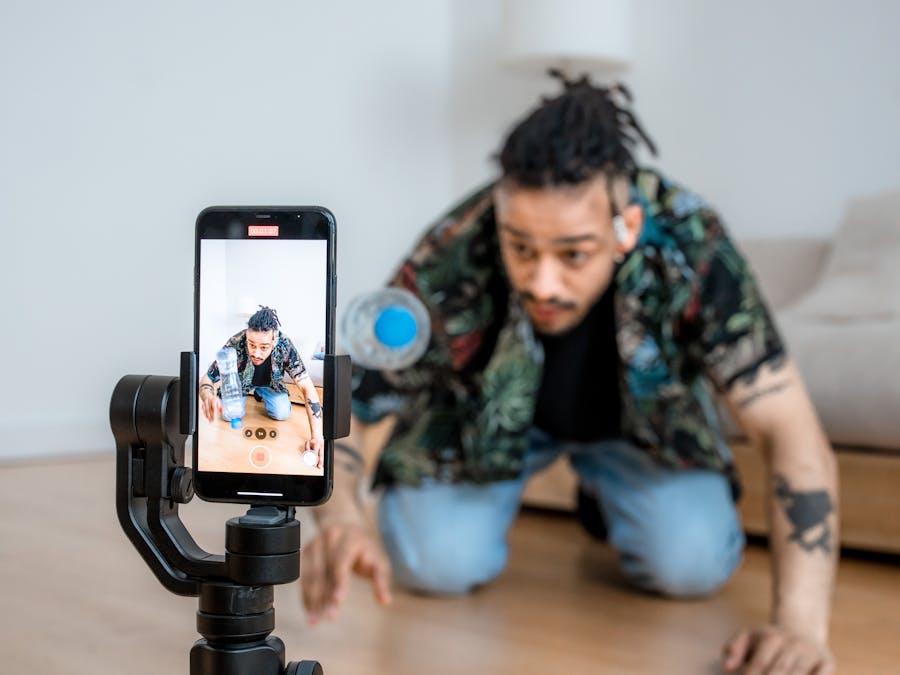
Once you’ve secured your influencer partners, it’s time to plan what they’ll actually create. The best campaigns balance brand guidelines with creative freedom, giving influencers room to speak authentically while ensuring your message comes through clearly.
Start with a creative brief that outlines your goals, key messages, and any requirements. Include information about your brand voice, visual guidelines, and specific talking points you want covered. But avoid scripting every word. Audiences can tell when content feels forced or overly promotional.
Decide on content formats based on your goals and what works best for each influencer. Options include:
- Feed posts: Permanent content that lives on the influencer’s profile
- Stories: Casual, behind-the-scenes content that disappears after 24 hours
- Reels: Short-form video content with high discovery potential
- Live streams: Real-time interaction with audiences
- Giveaways: Contests that drive engagement and follower growth
Exploring different Instagram marketing tactics helps you understand which content formats work best for different objectives. Some tactics pair particularly well with influencer partnerships.
Create a content calendar that maps out when each piece will go live. Coordinate timing across multiple influencers if you’re running a larger campaign. Consider how influencer content fits with your own posting schedule and any other marketing activities.
Compliance is non-negotiable. Make sure all sponsored content follows the FTC’s requirements on endorsements and disclosures. Influencers must clearly disclose their relationship with your brand using hashtags like #ad or #sponsored, or Instagram’s paid partnership label. Failing to disclose properly can result in legal issues for both you and your partners.
Review content before it goes live whenever possible. This isn’t about controlling every detail, but catching any errors or misunderstandings before they reach the public. Establish a clear approval process that respects the influencer’s time while protecting your brand.
Track and Measure Your Results

Measuring your campaign performance tells you whether your influencer marketing strategy is working and where you can improve. Without tracking, you’re essentially guessing about what’s effective.
The metrics you focus on should connect directly to your goals. If you’re focused on awareness, track reach, impressions, and follower growth. For engagement goals, monitor likes, comments, shares, and saves. For conversion-focused campaigns, track clicks, website traffic, and sales.
Set up tracking before your campaign launches. To accurately attribute traffic and conversions to specific influencer posts, use unique URLs and UTM codes. Give each influencer their own tracking link so you can see exactly how much traffic and how many conversions each partner drives.
Consider providing influencers with unique discount codes. This makes it easy to track sales from each partnership and gives their audience an incentive to purchase. You can also use these codes to calculate return on investment for individual influencers.
Using Instagram analytics to refine your strategy helps you understand how influencer content performs compared to your own posts. Look at which types of content drive the most engagement and which influencers deliver the best results.
Various Instagram marketing tools can help you track and manage influencer campaign performance more efficiently. These tools often provide deeper insights than native platform analytics and make it easier to compare results across multiple partnerships.
Key metrics to track include:
- Reach and impressions: How many people saw the content
- Engagement rate: Likes, comments, shares, and saves relative to reach
- Click-through rate: How many people clicked your links
- Conversion rate: How many clicks turned into desired actions
- Cost per engagement: Your investment divided by total engagements
- Return on investment: Revenue generated compared to campaign cost
Collect qualitative feedback too. Read through comments on influencer posts to understand how audiences respond to your brand. Note any questions or concerns that come up repeatedly. This information helps you improve future campaigns and even your products or messaging.
Optimize and Scale Your Strategy
Your first influencer campaign is just the beginning. The real value comes from learning what works, improving your approach, and building on your successes over time.
After each campaign, conduct a thorough review. What exceeded expectations? What fell short? Which influencers delivered the best results? Which content formats performed strongest? Document these insights so you can apply them to future campaigns.
Double down on what works. If certain influencers consistently deliver great results, consider building longer-term partnerships with them. If specific content types outperform others, focus more resources there. Let data guide your decisions rather than assumptions.
Expand gradually. Once you’ve proven your approach works, you can increase your budget, work with more influencers, or test new platforms. But grow strategically rather than trying to do everything at once. Each expansion should build on lessons from previous campaigns.
Stay flexible and keep testing. The social media landscape changes constantly, and what works today might not work tomorrow. Regularly experiment with new influencers, content formats, and campaign structures. Small tests help you discover new opportunities without risking your entire budget.
Build a roster of reliable partners over time. As you work with more influencers, you’ll identify the ones who consistently deliver quality content and strong results. These trusted partners become valuable assets for your brand, and nurturing those relationships pays dividends for years to come.
Remember that influencer marketing is a long-term investment. The brands that see the best results treat it as an ongoing program rather than a series of one-off campaigns. They build genuine relationships, continuously learn from their data, and steadily improve their approach. With patience and persistence, your influencer marketing strategy will become a powerful driver of growth for your brand.