



Instagram is one of the most popular social media platforms in the world, and getting started is easier than you might think. Whether you want to share photos with friends, follow your favorite brands, or build a presence for your business, learning how to create an Instagram account is your first step into this visual community.
The signup process takes just a few minutes, and you can do it from your phone or computer. This guide walks you through everything from downloading the app to customizing your profile and understanding your privacy options. By the end, you’ll have a fully set up account ready to explore.
If you’re not quite ready to commit, you can view Instagram without an account first to see what the platform offers. But when you’re ready to join, this step-by-step guide has you covered.
What You Need Before Creating an Instagram Account
Before you start the signup process, make sure you have a few basic things ready. The requirements are simple, but having everything prepared will make the process smoother.
First, you’ll need either a valid email address or a mobile phone number. Instagram uses this information to verify your identity and help you recover your account if you ever forget your password. You can choose whichever option you prefer, though using an email address gives you more flexibility if you change phone numbers later.
You’ll also need to meet the minimum age requirement. Instagram requires users to be at least 13 years old to create an account. The platform asks for your birthday during signup, so have that information ready.
Here’s an interesting fact about who uses Instagram: the platform attracts a diverse range of users across different demographics, making it a great place to connect with people who share your interests.
Finally, think about what username you want. While you can change it later, having a few ideas in mind before you start will speed things up. Your username is how people find and tag you, so choose something memorable that represents you well.
How To Create an Instagram Account on Your Phone
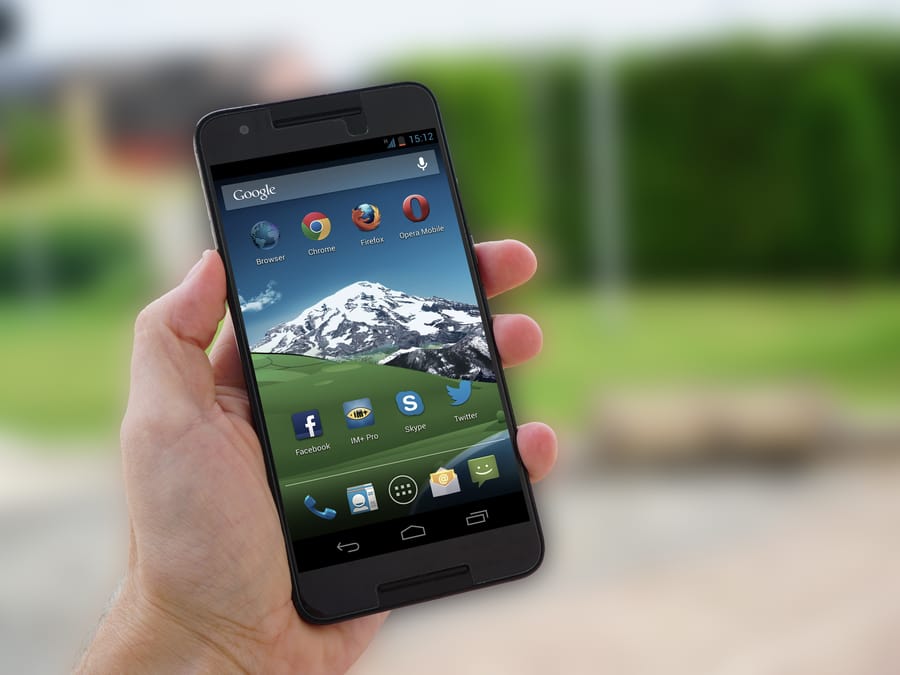
Most people use Instagram on their smartphones, and the mobile app offers the best experience. Creating an account through the app is straightforward and takes just a few minutes. Here’s how to get started.
Downloading the Instagram App
The first step is getting the official Instagram app on your device. The process is slightly different depending on whether you use an iPhone or an Android phone, but both are simple.
For iPhone users, open the App Store and search for “Instagram.” Look for the app with the colorful camera icon and make sure it’s published by Instagram, Inc. Tap “Get” to download and install it. You may need to enter your Apple ID password or use Face ID to confirm the download.
For Android users, open the Google Play Store and search for “Instagram.” Find the official app with the same colorful camera icon and tap “Install.” The app will download and install automatically.
Once the installation is complete, tap “Open” to launch the app and begin creating your account.
Signing Up With Email or Phone Number
When you open Instagram for the first time, you’ll see options to sign up or log in. Tap “Create new account” or “Sign up” to begin the registration process.
Instagram gives you two main options for signing up: using your email address or your phone number. Both work equally well, but there are some differences to consider.
Using your phone number is faster because Instagram can send a verification code via text message. This makes the verification step almost instant. However, if you change phone numbers in the future, you’ll need to update your account settings.
Using your email address takes slightly longer because you’ll need to check your inbox for a verification code. But email addresses tend to be more permanent, making account recovery easier down the road.
If you’ve had an Instagram account before and want to get it back instead of creating a new one, you can reactivate your Instagram account using your previous login information.
After entering your email or phone number, Instagram will send you a confirmation code. Enter this code to verify your information and continue with the signup process.
How To Create an Instagram Account on a Computer

While the mobile app is the most popular way to use Instagram, you can also create an account through the website on your computer. This option works well if you prefer typing on a full keyboard or don’t have access to your phone.
To get started, open your web browser and go to instagram.com. You’ll see the login page with options to sign up for a new account. Click on “Sign up” to begin the registration process.
The desktop signup form asks for the same information as the mobile app. You’ll need to enter your email address or phone number, create a password, choose a username, and provide your full name. You can also sign up using your Facebook account if you prefer to link the two platforms.
Looking at the stats about Instagram usage shows why creating an account on any device is worthwhile. The platform continues to grow and offers opportunities for personal connection, entertainment, and business growth.
After filling out the form, click “Sign up” and follow the verification steps. Instagram will send a code to your email or phone number, which you’ll need to enter to confirm your account.
One thing to note: while you can create an account on a computer, some features work better on the mobile app. For example, posting photos and videos is easier from your phone since you can take pictures directly with your camera. However, browsing, commenting, and managing your account work well on desktop.
Choosing the Perfect Username
Your username is one of the most important decisions you’ll make when setting up your Instagram account. It’s how people find you, tag you in posts, and remember your profile. Taking time to choose a good username is worth the effort.
A great username is easy to remember, easy to spell, and represents who you are. If you’re creating a personal account, using your real name or a variation of it often works well. For example, if your name is Sarah Johnson, you might try sarahjohnson, sarah.johnson, or sarahj.
If your preferred username is already taken, Instagram will suggest alternatives. You can also try adding numbers, underscores, or periods to create a unique version. However, avoid making your username too complicated with lots of numbers or special characters, as this makes it harder for people to find and remember you.
For business or brand accounts, try to use your business name or something closely related. Consistency across social media platforms helps people recognize your brand wherever they find you.
If you need inspiration for creating an original username, there are many resources available to help you brainstorm creative ideas that stand out.
Don’t worry too much about getting it perfect right away. You can change your Instagram name later if you decide you want something different. Instagram allows you to update your username in your account settings, though your old username becomes available for others to claim once you change it.
Setting Up Your Instagram Profile

Once your account is created, it’s time to set up your profile. A complete profile helps people understand who you are and makes your account look more trustworthy and professional.
Start with your profile photo. This is the circular image that appears next to your username throughout Instagram. Choose a clear, well-lit photo where your face is visible if it’s a personal account. For business accounts, your logo often works best. The image should look good even at small sizes since it appears as a tiny circle in many places on the app.
Next, write your bio. You have 150 characters to describe yourself or your brand. Keep it simple and informative. Include what you do, what people can expect from your content, or a fun fact about yourself. Many people also add emojis to make their bio more visually appealing.
You can also add a website link to your profile. This is the only place on Instagram where you can include a clickable link, so use it wisely. Personal accounts might link to a blog or portfolio, while businesses often link to their main website or a specific landing page.
Instagram offers several profile customization options. You can add pronouns to your profile to let people know how you’d like to be addressed. This feature appears next to your name and helps create a more inclusive environment.
Take your time with your profile setup. While you can always update these details later, having a complete profile from the start helps you make a good first impression on anyone who visits your page.
Understanding Instagram Account Types
Instagram offers three types of accounts: personal, business, and creator. Each type has different features, and choosing the right one depends on how you plan to use the platform.
Personal accounts are the default option and work well for most individual users. They offer all the basic features you need to share photos, follow friends, and engage with content. Personal accounts can be set to private, meaning only approved followers can see your posts.
Business accounts are designed for companies, brands, and organizations. They include additional features like contact buttons, the ability to run ads, and access to analytics about your followers and post performance. If you’re using Instagram to promote a business, this account type gives you tools to understand and grow your audience.
Creator accounts are similar to business accounts but tailored for influencers, public figures, and content creators. They offer flexible profile controls, detailed analytics, and features designed for managing a growing audience. If you’re interested in building a presence as a creator, this creator guide provides helpful information about influencer marketing and growing your following.
Both business and creator accounts let you use Instagram Insights, which shows you data about your followers, reach, and engagement. This information helps you understand what content performs best and when your audience is most active.
You can switch between account types at any time in your settings. If you start with a personal account and later decide you want business features, you can easily upgrade. Similarly, if you switch to a personal account from a business or creator account, you’ll lose access to analytics but gain more privacy options.
Adjusting Your Privacy and Security Settings

After creating your account, take a few minutes to review your privacy and security settings. These options help you control who can see your content and keep your account safe.
The most important privacy setting is whether your account is public or private. Public accounts allow anyone to see your posts, stories, and profile information. Private accounts require people to send a follow request, which you must approve before they can see your content. For personal accounts, many people prefer the privacy of a private account, especially when starting out.
Two-factor authentication adds an extra layer of security to your account. When enabled, you’ll need to enter a code sent to your phone or generated by an authentication app whenever you log in from a new device. This makes it much harder for someone to access your account even if they know your password.
Instagram also lets you review your login activity. This shows you all the devices and locations where your account is currently logged in. If you see any unfamiliar activity, you can log out of those sessions and change your password immediately.
Other useful privacy settings include controlling who can comment on your posts, who can tag you in photos, and who can send you direct messages. You can also block or restrict specific accounts if someone is bothering you.
If you ever decide Instagram isn’t for you, you have options for managing your account. You can temporarily disable it to take a break, or you can delete your Instagram account permanently if you want to remove all your data from the platform.
Managing Multiple Instagram Accounts
Instagram allows you to add and manage multiple accounts from a single app. This feature is helpful if you want separate accounts for personal use and business, or if you manage accounts for different projects or brands.
To add another account, go to your profile and tap the menu icon. Select “Settings,” then “Add account.” You can either log into an existing account or create a new one. Once added, you can switch between accounts by tapping your username at the top of your profile page.
Instagram lets you add up to five accounts to the app. Each account maintains its own followers, posts, and settings. Notifications can be managed separately for each account, so you can choose which ones send you alerts.
When posting or engaging with content, always double-check which account you’re using. It’s easy to accidentally post from the wrong account or like something with your business profile when you meant to use your personal one.
If you want detailed instructions on setting up and managing multiple profiles, you can learn how to create multiple Instagram accounts with step-by-step guidance.
Getting Started With Your New Instagram Account
Now that your account is set up, it’s time to start using Instagram. Here are some practical first steps to help you get the most out of the platform.
Start by finding people you know. Instagram can sync with your phone contacts and Facebook friends to suggest accounts you might want to follow. You can also search for specific people by name or username. Following friends and family first helps you build a feed of content you’ll enjoy seeing.
Explore different types of accounts to follow. Think about your interests and hobbies, then search for related accounts. If you love cooking, follow food bloggers and recipe accounts. If you’re into fitness, find trainers and workout pages. Following accounts that share content you enjoy makes your Instagram experience more engaging.
When you’re ready to post your first photo or video, tap the plus icon at the bottom of the screen. You can take a new photo, record a video, or choose something from your camera roll. Add a filter if you like, write a caption, and share it with your followers.
Instagram Stories are another great way to share content. Stories appear at the top of the feed and disappear after 24 hours. They’re perfect for sharing casual moments, behind-the-scenes content, or quick updates that don’t need to stay on your profile permanently.
Engage with other people’s content by liking, commenting, and sharing posts you enjoy. Instagram is a social platform, and interacting with others helps you build connections and grow your own following over time.
Don’t feel pressured to post constantly right away. Take time to explore the platform, understand how different features work, and find your own style. Instagram is meant to be enjoyable, so focus on sharing content that feels authentic to you.
Learning how to create an Instagram account is just the beginning. As you spend more time on the platform, you’ll discover new features, connect with interesting people, and develop your own approach to sharing content. Welcome to Instagram!