


Instagram is one of the most popular social media platforms, and millions of people use it every day to share photos, videos, and stories. But not everyone wants the whole world to see what they post. Maybe you want to share moments with just your friends and family. Maybe you’re concerned about strangers viewing your content. Or perhaps you’ve heard that employers sometimes run social media background checks and you want to be more careful about what’s publicly visible.
Whatever your reason, learning how to make Instagram private is a smart move. When your account is private, only people you approve can see your posts, stories, and follower list. This gives you much more control over your online presence and helps you feel safer when sharing personal moments.
In this guide, we’ll walk you through everything you need to know about Instagram privacy settings. You’ll learn the exact steps to switch your account to private, how to manage follow requests, control who sees your stories, and much more. By the end, you’ll have a complete understanding of all the privacy tools Instagram offers and how to use them effectively.
Why You Might Want a Private Instagram Account
There are many good reasons to make your Instagram account private. Understanding these reasons can help you decide if a private account is right for you.
Control over your audience. When your account is public, anyone can see your posts, even people you’ve never met. With a private account, you decide exactly who gets to follow you and view your content. This means no random strangers scrolling through your vacation photos or family moments.
Protection from unwanted attention. Unfortunately, public accounts can attract spam accounts, bots, and sometimes people with bad intentions. A private account creates a barrier that keeps most of these unwanted visitors away. You won’t have to deal with as many strange comments or direct messages from people you don’t know.
Professional concerns. Many employers and recruiters look at social media profiles when considering job candidates. If you’re job hunting or simply want to keep your personal life separate from your professional image, a private account helps you maintain that boundary. You can share freely with friends without worrying about how it might look to a potential employer.
Peace of mind for parents. If you’re a parent helping your teenager set up Instagram, a private account is often the safer choice. It ensures that only approved friends can see what your child posts and prevents strangers from contacting them through the platform.
Sharing more authentically. Some people find that they share more openly and honestly when they know only their close friends are watching. A private account can feel like a more intimate space where you don’t have to worry about curating a perfect image for the public.
How to Make Your Instagram Account Private
Switching your Instagram account to private is simple and only takes a few seconds. Here’s how to do it on both mobile devices and desktop computers.
On the Instagram Mobile App (iPhone and Android)
- Open the Instagram app and go to your profile by tapping your profile picture in the bottom right corner.
- Tap the three horizontal lines (menu icon) in the top right corner.
- Select “Settings and privacy” from the menu.
- Scroll down and tap “Account privacy.”
- Toggle the switch next to “Private account” to turn it on.
- Confirm your choice when prompted.
That’s it! Your account is now private. From this point forward, only your current followers can see your posts and stories. Anyone new who wants to follow you will need to send a request that you can approve or deny.
On Desktop (Web Browser)
- Go to instagram.com and log into your account.
- Click your profile picture in the top right corner and select “Settings.”
- Click “Settings and privacy” in the menu.
- Find “Account privacy” and click on it.
- Check the box next to “Private account.”
The process works the same way whether you’re using a Windows computer, Mac, or any other device with a web browser. For more detailed Instagram tutorials, you can check out a viewer guide that covers various platform features.
What Happens When You Go Private
When you switch to a private account, a few things change immediately. Your existing followers remain as followers and can still see everything you post. However, anyone who isn’t already following you will only see your profile picture, bio, and the number of posts you have. They won’t be able to see your actual photos, videos, or stories until you approve their follow request.
Managing Follow Requests on a Private Account
Once your account is private, you’ll start receiving follow requests instead of automatic new followers. Managing these requests is an important part of maintaining your privacy.
How to View and Respond to Follow Requests
When someone wants to follow your private account, you’ll see a notification. To manage your pending requests:
- Go to your profile and tap the menu icon (three lines).
- Select “Settings and privacy.”
- Tap “Follow requests” to see everyone waiting for approval.
From here, you can tap “Confirm” to accept a request or “Delete” to deny it. If you delete a request, the person won’t be notified, but they may notice that their request is no longer pending.
Tips for Handling Follow Requests
Check profiles before accepting. Take a moment to look at who’s requesting to follow you. Do you recognize the name or profile picture? Does their account look legitimate? Spam accounts often have few posts, generic profile pictures, or suspicious usernames.
Don’t feel obligated to accept everyone. Just because someone sends a request doesn’t mean you have to approve it. Your private account is your space, and you get to decide who enters.
Review your followers periodically. Even after accepting someone, you can remove them later if you change your mind. Go to your followers list, tap the three dots next to their name, and select “Remove follower.”
Controlling Who Can See Your Stories
Instagram Stories disappear after 24 hours, but that doesn’t mean everyone should see them. Even with a private account, you might want extra control over who views your stories. Instagram offers several helpful features for this, and protecting your privacy on social media extends beyond just your main feed.
Using Close Friends
The Close Friends feature lets you share stories with a smaller group of people. When you post a story to Close Friends, only the people on your list will see it. This is perfect for sharing more personal moments that you don’t want all your followers to see.
To set up your Close Friends list:
- Go to your profile and tap the menu icon.
- Select “Close Friends.”
- Search for and add the people you want on your list.
When posting a story, you’ll see an option to share it with “Close Friends” instead of “Your Story.” Stories shared this way appear with a green ring instead of the usual pink and orange.
Hiding Stories from Specific People
Sometimes you want to share a story with most of your followers but hide it from certain people. Instagram lets you do this too:
- Go to Settings and privacy.
- Tap “Story.”
- Select “Hide story from.”
- Choose the accounts you want to hide your stories from.
These people will remain your followers and can still see your regular posts, but they won’t see any of your stories.
Story Sharing Controls
You can also control whether people can share your stories with others or add your posts to their own stories. In the Story settings, you’ll find options to disable sharing and resharing. For readers wanting more general guidance, there are many privacy tips available online that cover various platforms and settings.
Blocking and Restricting Accounts
Sometimes privacy settings aren’t enough, and you need to deal with specific accounts that are bothering you. Instagram gives you two main tools for this: blocking and restricting. Understanding the difference helps with keeping your social media accounts safe.
Blocking an Account
When you block someone, they can no longer see your profile, posts, or stories. They also can’t find you in search, tag you, or send you messages. It’s the most complete way to cut off contact with someone on Instagram.
To block someone:
- Go to their profile.
- Tap the three dots in the top right corner.
- Select “Block.”
The person won’t be notified that you blocked them, but they may figure it out if they try to find your profile and can’t.
Restricting an Account
Restricting is a softer option that’s useful when you want to limit someone’s interactions without them knowing. When you restrict someone:
- Their comments on your posts are only visible to them unless you approve them.
- They can’t see when you’re online or when you’ve read their messages.
- Their messages go to your Message Requests folder instead of your inbox.
This feature is helpful for dealing with people you can’t completely cut off, like classmates or coworkers, but whose interactions you want to limit.
To restrict someone, go to their profile, tap the three dots, and select “Restrict.”
Additional Privacy Settings to Review
Beyond making your account private, Instagram offers many other privacy settings worth exploring. Taking time to review these can give you even more control over your experience. For users who want extra protection beyond app settings, there are also proxy and IP security tips for Instagram worth considering.
Activity Status
By default, Instagram shows your followers when you were last active on the app. If you’d rather keep this private:
- Go to Settings and privacy.
- Tap “Messages and story replies.”
- Select “Show activity status” and turn it off.
Keep in mind that if you turn this off, you also won’t be able to see when others are active.
Tagged Photo Controls
When someone tags you in a photo, it can appear on your profile. You can change this so that tagged photos only appear after you approve them:
- Go to Settings and privacy.
- Tap “Tags and mentions.”
- Turn on “Manually approve tags.”
This prevents embarrassing or unwanted photos from showing up on your profile without your permission.
Comment Filters
Instagram lets you filter out offensive comments automatically and create custom word filters. This is helpful for keeping your comment sections positive and free from harassment.
Message Request Settings
You can control who can send you direct messages. Options include allowing messages from everyone, only people you follow, or no one at all. Adjusting these settings can significantly reduce unwanted messages.
Protecting Your Browsing Privacy
When using Instagram on a desktop computer, your browsing activity can potentially be tracked. Using a Windows VPN is one tool for protecting your browsing privacy, especially when accessing social media on public networks.
Private vs Public Accounts: What You Gain and Lose
Deciding between a private and public account involves trade-offs. Understanding what you gain and lose with each option helps you make the right choice for your situation.
What You Gain with a Private Account
Complete control over your audience. You decide exactly who sees your content. No strangers, no bots, no unwanted viewers.
Reduced spam and harassment. Private accounts receive far fewer spam comments and unwanted messages because random users can’t interact with your content.
More freedom to be yourself. Many people feel more comfortable sharing authentic moments when they know only friends are watching.
Protection for sensitive information. If you post about your location, daily routine, or personal life, a private account keeps this information away from strangers.
What You Lose with a Private Account
Discoverability. Your posts won’t appear in hashtag searches or on the Explore page. This makes it much harder for new people to find you.
Growth potential. If you’re trying to build a following, a private account creates a significant barrier. People are less likely to request to follow an account when they can’t preview the content first. For those focused on building a real social media audience, this is an important consideration.
Engagement opportunities. Public accounts can attract engagement from a wider audience, including potential collaborators, brands, or like-minded people. Research shows that frequent posting matters for growth, but this strategy works best with public accounts where new viewers can discover your content.
Sharing limitations. When your account is private, people can’t easily share your posts with others. This limits how far your content can spread.
Finding the Right Balance
Some people maintain two accounts: a private personal account for friends and family, and a public account for professional or creative purposes. This lets you enjoy the benefits of both approaches.
Privacy Considerations for Students and Professionals
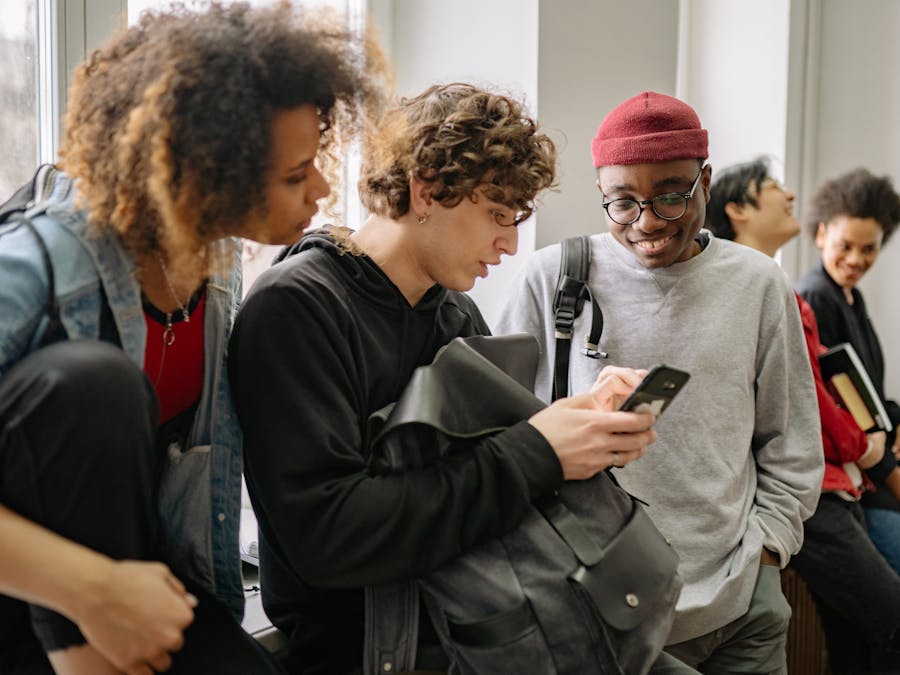
Different groups of people have unique privacy concerns on Instagram. Students and working professionals often face specific challenges that deserve attention.
For Students
College students often use Instagram to connect with classmates and document their experiences. However, what you post during your college years can follow you into your professional life. Future employers, graduate schools, and scholarship committees may look at your social media presence.
A private account gives you the freedom to share college memories without worrying about how they might be perceived years later. You can learn more about balancing social media use with privacy by reading about Instagram for college students.
Consider being selective about who you accept as followers, even among classmates. Not everyone needs access to your personal posts.
For Professionals
Working professionals face different challenges. You might want to keep your personal Instagram separate from your work identity, or you might manage social media accounts for your employer.
If you work in social media management, understanding privacy settings is especially important. You need to protect both your personal accounts and the business accounts you manage. Resources about online privacy for social media managers can provide valuable guidance for navigating these responsibilities.
For professionals in any field, a private personal account helps maintain boundaries between your work and personal life.
Understanding Instagram Privacy Laws and Policies
Privacy on Instagram isn’t just about the settings you choose. There are also laws and platform policies that affect how your data is handled and what rights you have.
Instagram collects data about how you use the platform, including what you view, who you interact with, and how long you spend on the app. This data is used for advertising and to personalize your experience. While you can’t opt out of all data collection, you can adjust some settings related to ad preferences and data sharing.
For businesses using Instagram, understanding privacy regulations is even more important. Laws like GDPR in Europe and various state laws in the United States affect how businesses can collect and use customer data through social media. Learning about social media privacy laws helps businesses stay compliant and avoid potential legal issues.
Instagram regularly updates its privacy policies, so it’s worth checking them periodically to understand how your information is being used. You can find these policies in the app’s settings under “Privacy Policy” or on Instagram’s website.
Taking the time to understand both the platform’s settings and the broader legal landscape gives you the best possible control over your Instagram privacy. Whether you’re a casual user, a student, or a business professional, these tools and knowledge help you use Instagram on your own terms.