


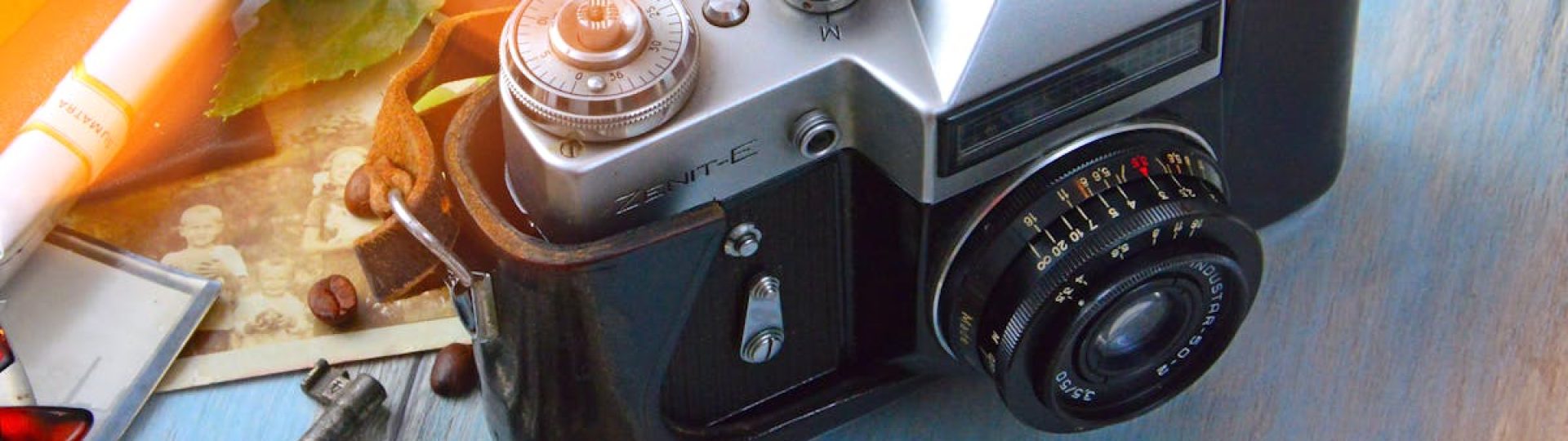
Think about the last time a song from your childhood came on the radio. Maybe it was a tune from a summer road trip or a hit that played at every school dance. Chances are, you felt something warm and familiar wash over you. That feeling is nostalgia, and it’s one of the most powerful emotions marketers can tap into.
Nostalgia marketing has become a go-to strategy for brands looking to create deeper connections with their audiences. Instead of just selling products, companies are selling feelings—memories of simpler times, beloved experiences, and the comfort of the past. When done right, this approach can transform casual customers into loyal fans who feel genuinely connected to your brand.
In this guide, we’ll explore what nostalgia marketing is, why it works so well, and how you can use it effectively in your own campaigns. Whether you’re running a small business or managing social media for a larger company, understanding this strategy can help you create content that truly resonates with people.
What Is Nostalgia Marketing?
Nostalgia marketing is a strategy where brands use references to the past—like retro designs, classic products, or cultural touchstones from previous decades—to create emotional connections with their audience. It’s about tapping into the warm, fuzzy feelings people have about their memories and associating those feelings with your brand.
This approach works because nostalgia isn’t just about remembering the past. It’s about how those memories make us feel in the present. Studies have shown that nostalgia has positive psychological effects on people, making them feel more connected, optimistic, and even physically warmer.
Brands use nostalgia marketing in many different ways. Some bring back discontinued products that people loved years ago. Others redesign their packaging to look like it did in the 1980s or 1990s. Some create advertisements that feature music, fashion, or pop culture references from specific eras. The common thread is that all of these approaches invite people to remember and relive positive experiences from their past.
What makes nostalgia marketing particularly effective is that it works across generations. While a 40-year-old might feel nostalgic about Saturday morning cartoons from the 1990s, a 25-year-old might have similar feelings about early 2000s video games. The key is understanding what memories resonate with your specific audience and finding authentic ways to reference those experiences.
Why Nostalgia Marketing Works So Well

The power of nostalgia marketing comes down to how our brains process memories and emotions. When we remember happy times from our past, our brains release feel-good chemicals that create genuine positive feelings in the present moment. Brands that can trigger these memories essentially borrow those good feelings and attach them to their products or services.
According to research, nostalgic feelings can significantly influence consumer behavior. When people feel nostalgic, they tend to be more willing to spend money and feel more positively toward the brands that triggered those feelings. This isn’t manipulation—it’s simply understanding that emotions play a huge role in how people make decisions.
Nostalgia also creates a sense of authenticity and trust. When a brand references shared cultural experiences, it signals that the company understands its audience on a deeper level. This is similar to building trust through marketing in other contexts—it’s about showing that you genuinely understand and care about the people you’re trying to reach.
Another reason nostalgia marketing works so well is that it cuts through the noise of modern advertising. People are bombarded with thousands of marketing messages every day, and most of them blend together. But when something triggers a personal memory, it stands out. It feels different because it connects to something real in the viewer’s life, not just another generic sales pitch.
Finally, nostalgia creates community. When brands reference shared experiences from the past, they bring people together around common memories. This sense of belonging is incredibly valuable in marketing because it transforms customers from isolated individuals into members of a group who share something meaningful.
Key Elements of a Successful Nostalgia Campaign

Creating an effective nostalgia marketing campaign requires more than just slapping a retro filter on your content. The most successful campaigns combine several key elements that work together to create an authentic emotional experience.
Visual design is often the first thing people notice. Colors, fonts, and graphic styles from specific eras can instantly transport people back in time. A brand’s visual identity plays a crucial role in evoking nostalgic responses. Think about the neon colors and geometric shapes of the 1980s, the grunge aesthetic of the 1990s, or the early digital look of the 2000s. Each era has distinct visual markers that people immediately recognize.
Music and sound are equally powerful nostalgia triggers. A familiar song or even a specific sound effect can instantly bring back memories. Many brands incorporate classic songs into their advertisements or use audio elements that remind people of specific time periods. If you’re exploring AI tools for creative content, you might find ways to create audio that captures the feeling of different eras while still being original.
Cultural references and pop culture touchstones help ground your campaign in a specific time and place. This might include references to popular TV shows, movies, toys, or events from the era you’re targeting. The key is choosing references that your audience will actually recognize and have positive associations with.
Authenticity is perhaps the most important element. People can tell when a brand is genuinely celebrating the past versus when it’s cynically exploiting their memories. The best nostalgia campaigns come from a place of real appreciation for the era being referenced, and they respect the intelligence of the audience.
Finally, successful nostalgia campaigns balance the old with the new. They don’t just recreate the past—they bring it into the present in a way that feels fresh and relevant. This might mean combining retro aesthetics with modern technology or updating classic products with contemporary features.
How to Identify Your Audience’s Nostalgic Triggers
Before you can create effective nostalgia marketing, you need to understand what memories and experiences resonate most with your target audience. This requires research and a genuine curiosity about the people you’re trying to reach.
Start by considering the age range of your primary audience. Different generations have different nostalgic touchstones. Someone who grew up in the 1970s will have very different memories than someone who grew up in the 2000s. Think about what was popular during your audience’s formative years—typically childhood through early adulthood—as these tend to be the most powerful nostalgic periods.
Social media is an excellent resource for understanding what your audience feels nostalgic about. Pay attention to what people share, comment on, and engage with. When you see posts about “remember when” or throwback content getting high engagement, take note of what specific memories people are responding to. By using social data for insights, you can identify patterns in what resonates with your audience.
Surveys and direct conversations with customers can also reveal nostalgic triggers. Ask people about their favorite childhood memories, the music they listened to growing up, or the products they wish would come back. These conversations often uncover specific details that you can incorporate into your campaigns.
Look at what competitors and other brands in your space are doing with nostalgia marketing. What seems to be working? What falls flat? You can learn a lot from observing how your audience responds to different nostalgic references from other companies.
Remember that nostalgia isn’t one-size-fits-all. Your audience might have subgroups with different nostalgic preferences based on their age, location, or cultural background. The more specific you can be about which memories you’re targeting, the more powerful your campaign will be.
Using Nostalgia Marketing on Social Media

Social media platforms are ideal for nostalgia marketing because they’re built around sharing and engagement. When people see content that triggers happy memories, they naturally want to share it with friends who might have similar experiences. This creates organic reach that’s hard to achieve with other types of content.
Different platforms work better for different types of nostalgic content. Visual platforms like Instagram are perfect for retro aesthetics and throwback photos. Video platforms work well for recreating classic commercials or showcasing vintage products in action. When developing your social media strategy, consider which platforms your target audience uses most and what type of nostalgic content would work best on each.
Throwback posts are a simple but effective way to incorporate nostalgia into your social media presence. Many brands use hashtags like #ThrowbackThursday or #FlashbackFriday to share old photos, vintage advertisements, or memories from the company’s history. These posts humanize your brand and show that you have a story worth telling.
When creating compelling social content with nostalgic themes, focus on sparking recognition and emotion. Use captions that invite people to remember and share their own experiences. Ask questions like “Who else remembers this?” or “What was your favorite?” to encourage interaction.
User-generated content is particularly powerful for nostalgia marketing on social media. Encourage your followers to share their own memories related to your brand or the era you’re referencing. This not only creates engagement but also provides you with authentic content that resonates with your audience.
Timing matters for nostalgic content. Anniversaries of significant cultural events, holidays that evoke childhood memories, and seasonal changes can all be opportunities to share relevant nostalgic content. Plan your content calendar around these moments to maximize impact.
Creating Content That Sparks Nostalgic Engagement

The goal of nostalgia marketing isn’t just to make people feel warm and fuzzy—it’s to create meaningful engagement that builds lasting relationships with your audience. The best nostalgic content invites people to participate, share, and connect with both your brand and each other.
Interactive content works particularly well for nostalgia marketing. Quizzes that help people identify which decade they belong to, polls about favorite childhood snacks, or challenges that ask people to recreate old photos all encourage active participation. This type of engagement through comments and shares helps your content reach new audiences organically.
Storytelling is at the heart of effective nostalgic content. Instead of just showing a retro image, tell the story behind it. Share the history of your brand, the evolution of your products, or the cultural context of the era you’re referencing. Stories give people something to connect with and remember.
High-quality engagement comes from content that feels genuine and invites real conversation. Ask open-ended questions that encourage people to share their own memories and experiences. When people comment, respond thoughtfully and continue the conversation. This shows that you’re not just broadcasting content but actually interested in connecting with your audience.
Consider creating a content plan that builds trust by consistently incorporating nostalgic elements into your overall strategy. Rather than treating nostalgia as a one-off campaign, make it part of your brand’s ongoing personality. This creates a cohesive experience that audiences come to expect and appreciate.
Don’t forget about the power of surprise and delight. Unexpected nostalgic references—like a limited-edition product in retro packaging or a surprise collaboration with a beloved brand from the past—can generate excitement and buzz that goes beyond your usual content.
Common Mistakes to Avoid in Nostalgia Marketing
While nostalgia marketing can be incredibly effective, it’s also easy to get wrong. Understanding common pitfalls can help you avoid them and create campaigns that truly resonate with your audience.
One of the biggest mistakes is being inauthentic. If your brand has no genuine connection to the era or experience you’re referencing, audiences will notice. Nostalgia marketing works best when it comes from a place of real appreciation and understanding, not just a desire to capitalize on trends.
Targeting the wrong era is another common error. If you’re trying to reach millennials but using references from the 1970s, you’ll miss the mark. Make sure you understand your audience’s actual nostalgic touchstones, not just what you personally remember or find interesting.
Overdoing retro themes can also backfire. If every piece of content you create is dripping with nostalgia, it loses its impact. Nostalgic content works best when it’s balanced with contemporary content and used strategically rather than constantly.
Ignoring negative associations is a serious mistake. Not all memories from the past are positive, and some cultural references can be problematic or offensive. Always consider the full context of what you’re referencing and be sensitive to how different groups might perceive your content.
Poor execution can undermine even the best nostalgic concept. Having strong social media management skills is essential for pulling off nostalgia campaigns effectively. This includes understanding design principles, timing your content well, and engaging appropriately with your audience’s responses.
Finally, don’t forget to measure results. It’s easy to assume that nostalgic content is working because it feels good, but you need to track actual engagement, conversions, and other metrics to understand whether your approach is effective.
Getting Professional Help With Nostalgia Campaigns
While many brands can execute simple nostalgic content on their own, larger or more complex campaigns often benefit from professional expertise. Knowing when to seek help can make the difference between a campaign that falls flat and one that truly connects with your audience.
Consider working with social media marketing agencies if you’re planning a major nostalgia campaign that spans multiple platforms or requires significant creative resources. Agencies bring experience from working with many different brands and can help you avoid common mistakes while maximizing impact.
Professional help is particularly valuable when you’re targeting an era or demographic that you’re not personally familiar with. Experts can provide research and insights that ensure your campaign resonates authentically with your intended audience.
Creative agencies can also help with the production aspects of nostalgia marketing, such as creating high-quality retro visuals, sourcing appropriate music, or developing interactive experiences. These elements often require specialized skills and tools that may not be available in-house.
Even if you’re handling most of your nostalgia marketing internally, consulting with experts for strategy development can be worthwhile. A fresh perspective can help you identify opportunities you might have missed and refine your approach for maximum effectiveness.
Remember that professional help doesn’t have to mean handing over complete control. Many brands work with agencies or consultants on specific aspects of their campaigns while maintaining overall creative direction. The key is finding the right balance for your needs and resources.
Nostalgia marketing offers a powerful way to connect with your audience on an emotional level. By understanding what memories resonate with your target customers and finding authentic ways to reference those experiences, you can create campaigns that stand out in a crowded marketplace. Whether you’re sharing throwback content on social media or launching a full-scale retro campaign, the principles remain the same: be genuine, know your audience, and respect the power of memory. When you get it right, nostalgia marketing doesn’t just sell products—it builds lasting relationships with people who feel truly understood by your brand.