



Becoming an influencer might seem like a dream job. You get to share your passions, connect with people who care about the same things, and maybe even earn money doing it. But the path to becoming a successful influencer is not as simple as posting a few photos and waiting for followers to roll in.
If you want to learn how to become an influencer, you need a realistic plan. This guide will walk you through the practical steps, from finding your niche to landing your first brand deal. There are no shortcuts or overnight success stories here—just honest advice that can help you build something meaningful over time.
Whether you want to share fitness tips, review books, teach cooking, or document your travels, the fundamentals remain the same. Let’s break down what it actually takes to grow as an influencer in a way that feels authentic and sustainable.
What Does It Mean to Be an Influencer?
An influencer is someone who has built a following on social media and can affect the opinions, decisions, or behaviors of their audience. This happens through social media influence, where people trust your recommendations and value your perspective on certain topics.
Influencers come in different sizes. Nano-influencers have smaller audiences, usually under 10,000 followers, but often enjoy high engagement rates. Micro-influencers typically have between 10,000 and 100,000 followers. Macro-influencers and celebrities have larger audiences, but that does not mean bigger is always better. Many brands prefer working with smaller influencers because their communities feel more personal and engaged.
It is worth understanding the difference between being a content creator and being an influencer. A content creator focuses on making videos, photos, or written content. An influencer, on the other hand, has built enough trust with their audience that their opinions carry weight. Many people are both, but the key distinction is the relationship you have with your followers.
You do not need millions of followers to be an influencer. What matters more is having an engaged audience that trusts you. If you can help people solve problems, entertain them, or inspire them in some way, you have the foundation to become an influencer.
Finding Your Niche and Defining Your Brand

One of the most important steps in learning how to become an influencer is choosing a niche. A niche is simply the specific topic or area you focus on. Instead of trying to appeal to everyone, you narrow your focus to attract people who are genuinely interested in what you have to say.
Think about what you are passionate about and what you know well. Are you into sustainable fashion? Do you love budget travel? Are you a home cook who enjoys experimenting with recipes? Your niche should be something you can talk about consistently without getting bored.
It also helps to consider what makes you different. Maybe you approach fitness from a beginner-friendly perspective, or you review tech products specifically for creative professionals. Finding your unique angle helps you stand out in a crowded space.
Once you have your niche, start thinking about your personal brand. This includes your visual style, your tone of voice, and the overall feeling people get when they visit your profile. Consistency matters here. When someone lands on your page, they should immediately understand what you are about.
Consider using visual thinking and mood boards to develop a cohesive look for your content. This can help you plan your color palette, photography style, and overall aesthetic before you start posting. A clear visual identity makes your content more recognizable and professional.
Your brand also includes your values. What do you stand for? What kind of community do you want to build? Being clear about these things from the start will help you attract the right followers and make decisions about partnerships down the road.
Choosing the Right Platform for Your Content
Not every social media platform is right for every type of content. Choosing where to focus your energy is a key part of your social media strategy and can make a big difference in your growth.
Instagram works well for visual content like photography, fashion, food, and lifestyle. It offers multiple formats including feed posts, Stories, Reels, and longer videos. If your content is highly visual and you enjoy creating short-form videos, Instagram is a strong choice.
TikTok is ideal for short, entertaining videos. It tends to favor creativity and trends, and the algorithm can help new creators get discovered quickly. If you enjoy being on camera and can create engaging clips, TikTok might be your best starting point.
YouTube is better for longer, more in-depth content. Tutorials, vlogs, reviews, and educational videos perform well here. Building an audience on YouTube takes longer, but the platform rewards consistency and quality over time.
If you are interested in video content, you might want to explore choosing between IGTV and YouTube to understand which format suits your goals better.
Other platforms like Twitter, Pinterest, and LinkedIn can also work depending on your niche. Writers and thought leaders often do well on Twitter. Pinterest is great for DIY, recipes, and home decor. LinkedIn suits professional and business-focused content.
Start with one or two platforms rather than spreading yourself too thin. Once you have built momentum, you can expand to other channels.
Creating Content That Connects With Your Audience
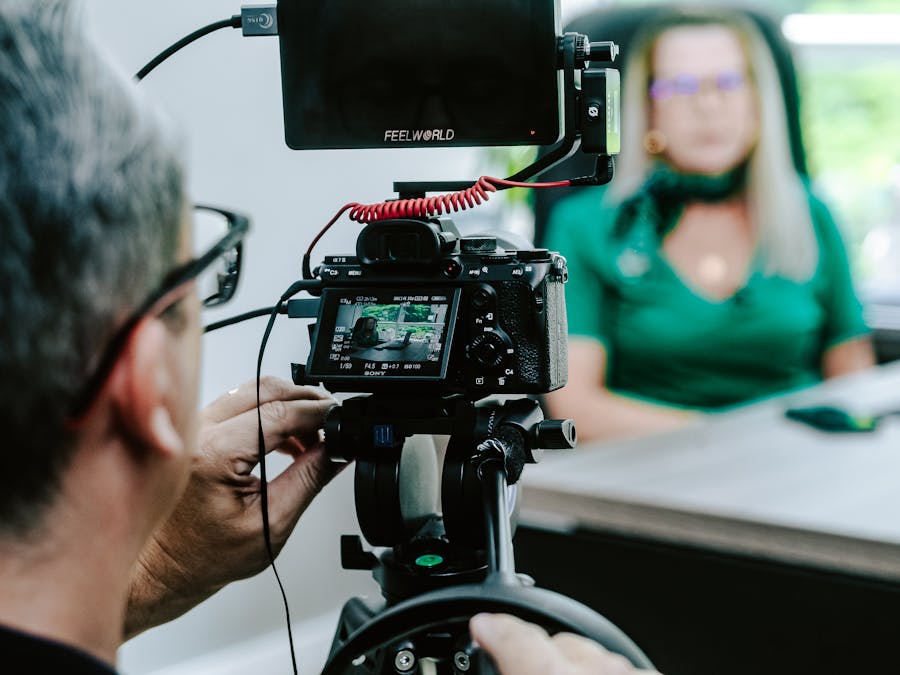
Content is the heart of everything you do as an influencer. The goal is to create posts, videos, or stories that resonate with your audience and keep them coming back for more.
Start by thinking about what your audience needs. What questions do they have? What problems can you help them solve? What kind of content would make their day better? When you focus on providing value, your content naturally becomes more engaging.
Authenticity matters more than perfection. People follow influencers because they feel a connection, not because every photo is flawless. Share your real experiences, including the struggles and lessons learned. This builds trust and makes you relatable.
Experiment with different content formats to see what works best. You might try tutorials, behind-the-scenes looks, personal stories, product reviews, or entertaining skits. Pay attention to which posts get the most engagement and do more of what resonates.
Storytelling is a powerful tool. Instead of just showing a finished product, take your audience on a journey. Explain why something matters to you, share the process, and invite them into your world. Stories create emotional connections that simple posts cannot.
You can also tap into nostalgia marketing strategies to connect with your audience on a deeper level. Referencing shared memories, throwback trends, or childhood favorites can create an instant bond with your followers.
Quality matters, but do not let perfectionism stop you from posting. It is better to publish consistently and improve over time than to wait until everything is perfect. Your early content will not be your best, and that is completely normal.
Building and Growing Your Following
Growing an audience takes time and patience. There are no magic tricks that will give you thousands of followers overnight, but there are proven strategies that work when applied consistently.
Focus on growing your audience organically rather than chasing shortcuts. Organic growth means attracting followers who genuinely care about your content. These are the people who will engage with your posts, share your work, and support you over the long term.
Engagement is a two-way street. Respond to comments on your posts, reply to direct messages, and take time to interact with other accounts in your niche. Building relationships with your followers and fellow creators helps you grow faster and creates a sense of community.
Use hashtags strategically to help new people discover your content. Research which hashtags are popular in your niche and mix them with smaller, more specific ones. Avoid using the same hashtags on every post, as this can limit your reach.
Posting consistently is important, but quality should not suffer for the sake of quantity. Find a schedule that works for you and stick to it. Whether you post daily or a few times a week, consistency helps your audience know when to expect new content.
Building a strong digital presence across platforms can also help. Even if you focus mainly on one platform, having profiles on others allows people to find and follow you wherever they prefer to spend their time.
If you are focusing on Instagram specifically, check out this guide on becoming an Instagram influencer for platform-specific tips and strategies.
Remember that growth is rarely linear. Some weeks you will gain followers quickly, and other weeks might feel slow. Stay focused on creating good content and engaging with your community, and the numbers will follow.
Collaborating With Others to Expand Your Reach

Collaborations are one of the fastest ways to grow your audience. When you partner with other creators, you get exposure to their followers, and they get exposure to yours. It is a win-win situation that benefits everyone involved.
Start by identifying creators in your niche who have a similar audience size. Reaching out to someone with a much larger following can work, but collaborations tend to be more successful when both parties bring similar value to the table.
There are many ways to collaborate. You could create content together, do a joint live stream, or simply shout each other out to your audiences. Guest appearances on podcasts or YouTube channels are another great option.
One effective tactic for Instagram users is hosting an Instagram takeover. This is when another creator takes over your account for a day, or you take over theirs. It introduces both audiences to new content and can lead to a nice boost in followers.
When reaching out to potential collaborators, be genuine and specific. Explain why you think a partnership would work and what you could create together. Avoid generic messages that sound like they were copied and pasted to dozens of people.
Collaborations also help you learn from other creators. You can pick up new techniques, get feedback on your work, and build friendships with people who understand the challenges of being an influencer.
Working With Brands and Monetizing Your Influence
Once you have built an engaged audience, brands may start reaching out to you for partnerships. You can also take the initiative and pitch yourself to brands you genuinely love.
Before you start working with brands, make sure your profile looks professional. This means having a clear bio, consistent content, and a way for brands to contact you. Some influencers create a media kit that includes information about their audience, engagement rates, and examples of past work.
When brands evaluate potential partners, they look for authenticity and credibility. They want to work with influencers whose followers trust their recommendations. This is why spotting fake influencers has become such an important skill for brands. If you have built your following honestly, this works in your favor.
Start with brands that align with your values and niche. Promoting products you do not believe in will damage your credibility with your audience. It is better to turn down a paid opportunity than to recommend something you would not use yourself.
Be aware of common influencer mistakes to avoid when working with brands. These include not disclosing sponsored content properly, accepting partnerships that do not fit your brand, and overcommitting to too many deals at once.
There are several ways to monetize your influence beyond brand deals. You can earn money through affiliate marketing, where you get a commission for products sold through your links. You can also create your own products, offer services, or set up memberships for exclusive content.
Negotiating rates can feel awkward at first, but remember that your time and influence have value. Research what other creators in your niche charge and do not be afraid to ask for fair compensation.
Staying Consistent and Managing Your Time

Consistency is one of the biggest challenges for influencers. Creating content regularly while managing other responsibilities can be exhausting. Finding a sustainable rhythm is essential for long-term success.
Start by planning your content in advance. Batch creating content on specific days can save time and reduce stress. Use scheduling tools to post automatically so you do not have to be online constantly.
Set realistic goals for yourself. If you can only manage three posts a week, that is perfectly fine. It is better to maintain a schedule you can stick to than to burn out trying to post every day.
Time management becomes especially important if you are balancing influencer work with a job, school, or other commitments. Some busy students and professionals find ways to delegate tasks to free up time for content creation. For example, students might pay for someone to write my essay so they can focus more energy on building their online presence.
Take breaks when you need them. Burnout is real, and pushing yourself too hard can hurt both your mental health and the quality of your content. Your audience will understand if you need to step back occasionally.
Track your progress and celebrate small wins. Growth can feel slow, but looking back at how far you have come can be motivating. Keep notes on what works and what does not so you can refine your approach over time.
Learning how to become an influencer is a journey, not a destination. The landscape changes constantly, and successful influencers are always learning and adapting. Stay curious, keep experimenting, and focus on building genuine connections with your audience. That is the foundation of lasting success in this space.