



If you’ve ever wondered how many photos can you post on Instagram, you’re not alone. Whether you’re sharing vacation snapshots, promoting your business, or building a personal brand, understanding Instagram’s posting limits helps you plan your content better.
Instagram has different rules for different types of content. Feed posts, carousels, Stories, and Reels each come with their own limits. Knowing these boundaries keeps you from running into unexpected restrictions and helps you make the most of every post.
This guide breaks down all the posting limits you need to know. We’ll cover everything from carousel photo limits to daily posting caps, plus share practical tips on how often you should actually post for the best results.
Understanding Instagram’s Photo Posting Limits
Instagram sets limits on how much content you can share to keep the platform running smoothly and prevent spam. These limits apply to all users, whether you have a personal account or a business profile.
For a standard single feed post, you can share one photo or video. This is the most basic type of Instagram content and has been around since the platform launched. Single posts work great for standalone images that don’t need additional context from other photos.
However, Instagram offers several other content formats, each with its own posting rules. Carousel posts let you share multiple images in one post. Stories give you a different way to share moments throughout your day. Reels focus on short-form video content.
Each of these formats serves a different purpose and comes with different limits. Understanding these differences helps you choose the right format for your content. For example, if you have ten photos from an event, a carousel makes more sense than posting ten separate times to your feed.
The platform also has daily and hourly limits that apply across all content types. These limits exist to prevent spam and ensure everyone has a fair chance to share content. Going over these limits can result in temporary restrictions on your account.
How Many Photos Can You Add to a Carousel Post?
Carousel posts allow you to include up to 10 photos or videos in a single post. Users swipe left to see each additional image, making carousels perfect for telling a story or showing different angles of the same subject.
When you create a carousel, you select multiple images from your camera roll before posting. The order you choose matters because the first image serves as the cover that appears in your feed and on your profile grid. Pick your strongest photo for that first spot to grab attention.
Carousels have become incredibly popular because they encourage more engagement. When someone swipes through your images, Instagram counts that as interaction with your content. This can help your post reach more people through the algorithm.
Here are some popular ways to use carousel posts:
- Before and after transformations
- Step-by-step tutorials or recipes
- Event highlights showing different moments
- Product showcases from multiple angles
- Educational content with multiple slides
- Travel photos from the same destination
When preparing photos for a carousel, you’ll want to make pictures fit on Instagram properly. All images in a carousel share the same aspect ratio, which is determined by your first photo. If your first image is square, all subsequent images will be cropped to square as well.
You can mix photos and videos within the same carousel. This flexibility lets you create dynamic posts that combine still images with short video clips. Just remember that the 10-item limit applies to the total combination of photos and videos.
Instagram Stories Photo Limits
Instagram Stories work differently from feed posts. While feed posts stay on your profile permanently (unless you delete them), Stories disappear after 24 hours. This temporary nature means Instagram allows you to post more Stories than regular feed posts.
You can post up to 100 Stories per day. That’s a lot of content, and most users never come close to hitting this limit. Each Story slide can contain one photo or video up to 60 seconds long.
Stories appear at the top of your followers’ feeds in a horizontal row. When you post multiple Stories, they play in sequence. Viewers can tap to skip forward, tap and hold to pause, or swipe to move to the next account’s Stories.
If you want to share several photos at once, you can add multiple pictures on Instagram Story using the layout feature or by adding photos as stickers. This lets you create collage-style Stories with several images on one slide.
Stories have specific dimension requirements that differ from feed posts. Understanding Instagram Story size requirements helps ensure your photos display correctly without awkward cropping or black bars around the edges.
The ideal Story dimensions are 1080 pixels wide by 1920 pixels tall, which creates a 9:16 vertical format. Photos that don’t match these dimensions get automatically adjusted, which can affect how they look to viewers.
Many creators use Stories for behind-the-scenes content, quick updates, polls, questions, and interactive features that wouldn’t fit in a polished feed post. The casual nature of Stories makes them perfect for more frequent, less produced content.
Daily and Hourly Posting Limits on Instagram
Beyond the limits for individual posts, Instagram also restricts how much you can post within certain time periods. These limits help prevent spam and keep the platform enjoyable for everyone.
For feed posts (including carousels and Reels), you can share up to 25 posts per day. However, posting this many times in a single day isn’t recommended for most accounts. It can overwhelm your followers and may trigger Instagram’s spam detection systems.
Instagram also monitors how quickly you post. If you share multiple posts within a very short time frame, you might receive a temporary restriction. Spacing out your posts by at least a few minutes helps avoid this issue.
Here’s a quick overview of Instagram’s daily limits:
- Feed posts: Up to 25 per day
- Stories: Up to 100 per day
- Comments: Approximately 180-200 per hour
- Likes: Approximately 350-500 per hour
- Direct messages: Varies based on account age and activity
These limits connect to other platform restrictions as well. Just like there are Instagram follow limits that control how many accounts you can follow, posting limits exist to maintain platform quality.
New accounts often face stricter limits than established ones. Instagram gradually increases what you can do as your account ages and builds a history of normal activity. If you’ve just created an account, start slowly and increase your activity over time.
Hitting these limits occasionally won’t cause permanent problems. However, repeatedly pushing against them can result in temporary action blocks or, in extreme cases, account restrictions. The best approach is to post consistently but not excessively.
How Often Should You Post on Instagram?
Just because you can post 25 times a day doesn’t mean you should. Finding the right posting frequency depends on your goals, your audience, and how much quality content you can create.
For most accounts, posting one to three times per day to your feed works well. This keeps you visible without overwhelming your followers. The benefits of frequent posting include staying top of mind with your audience and giving the algorithm more content to show to potential new followers.
Consistency matters more than volume. Posting once a day every day typically produces better results than posting seven times in one day and then disappearing for a week. Your followers come to expect content from you, and regular posting builds that habit.
In today’s crowded digital space, having a clear posting strategy helps you stand out. Random posting without a plan makes it harder to build momentum and grow your audience.
Consider these factors when deciding how often to post:
- Content quality: Never sacrifice quality for quantity. One great post beats three mediocre ones.
- Your capacity: Can you realistically create good content at your planned frequency?
- Audience preferences: Some audiences want daily updates while others prefer less frequent, more substantial posts.
- Your goals: Accounts focused on rapid growth might post more often than those maintaining an established presence.
Stories can be posted more frequently than feed posts. Many successful accounts post several Stories throughout the day while limiting feed posts to once daily. Stories feel more casual and temporary, so followers generally don’t mind seeing more of them.
Pay attention to when your audience is most active. Posting when your followers are online increases the chances they’ll see and engage with your content. Instagram Insights (available for business and creator accounts) shows you when your followers are typically active.
Tips for Preparing Your Photos Before Posting
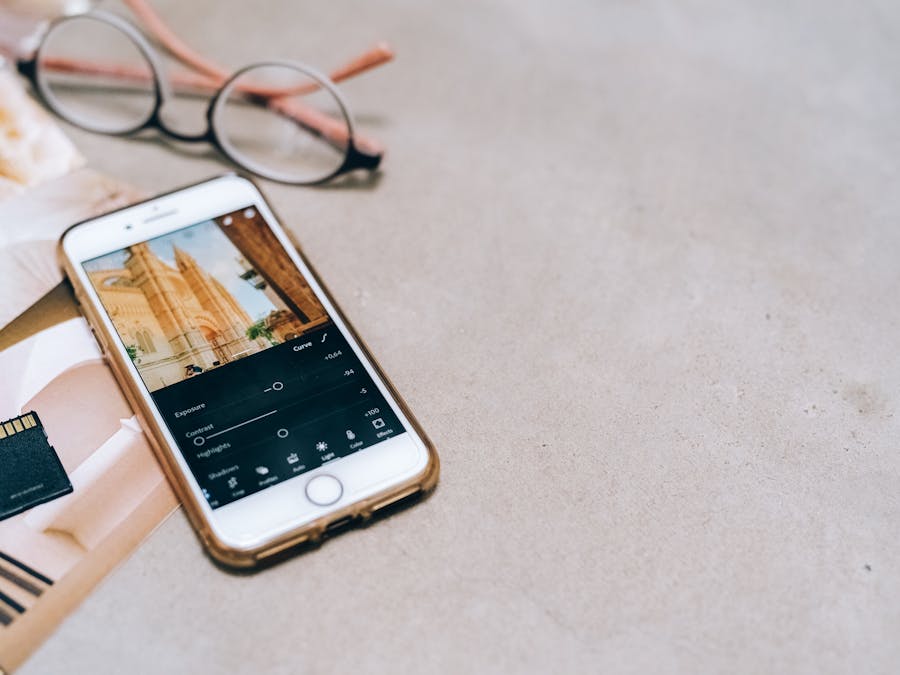
Getting your photos ready before uploading makes a big difference in how they appear on Instagram. A little preparation ensures your images look their best and display correctly across different devices.
Start by checking your image dimensions. Instagram supports several aspect ratios, but some work better than others. Square images (1:1) display at 1080 x 1080 pixels. Portrait images (4:5) show at 1080 x 1350 pixels and take up more screen space, which can increase engagement. Landscape images (1.91:1) display at 1080 x 566 pixels.
If your photos don’t match these dimensions, you’ll need to resize pictures for Instagram before posting. This prevents Instagram from automatically cropping your images in ways you might not like.
Proper sizing also affects how people view full pictures on Instagram. When images are sized correctly, viewers see exactly what you intended without any important details getting cut off.
Here are some practical preparation tips:
- Edit consistently: Use similar filters or editing styles across your photos to create a cohesive look on your profile.
- Check the preview: Before posting, look at how your image will appear in the grid. The center of your photo is what shows in the square thumbnail.
- Organize your photos: If you’re posting a carousel, arrange your images in the order you want them to appear before starting the upload.
- Consider lighting: Photos with good lighting perform better. Natural light usually works best.
- Remove distractions: Crop out unnecessary elements that don’t add to your image.
For carousels, think about how your images flow together. The first image should hook viewers, and subsequent images should reward them for swiping. End with a call to action or your strongest closing image.
Batch preparing your content saves time. Set aside time each week to edit and organize photos for the coming days. This makes daily posting much easier and helps maintain consistency.
Writing Captions and Using Hashtags Effectively
Great photos deserve great captions. While Instagram is a visual platform, your captions provide context, personality, and opportunities for engagement that photos alone can’t achieve.
Instagram allows captions up to 2,200 characters, but that doesn’t mean you need to use all of them. The ideal caption length depends on your content and audience. Some posts work best with a single sentence, while others benefit from longer storytelling.
The first line of your caption matters most. Instagram truncates captions after a few lines, showing a “more” link for longer text. Put your most important information or hook at the beginning to encourage people to read the rest.
Effective captions often include:
- A hook that grabs attention
- Context about the photo or your thoughts
- A question or call to action to encourage comments
- Relevant hashtags for discoverability
Hashtags help new people find your content. Instagram allows up to 30 hashtags per post, but using all 30 isn’t always necessary. Finding the ideal number of hashtags for your posts takes some experimentation. Many successful accounts use between 5 and 15 relevant hashtags.
Choose hashtags that actually relate to your content. Using popular but irrelevant hashtags might get you views, but those viewers won’t engage or follow because your content isn’t what they were looking for.
Mix different types of hashtags:
- Broad hashtags: High volume but high competition (like #photography)
- Niche hashtags: Lower volume but more targeted (like #streetphotographytokyo)
- Community hashtags: Connect you with specific groups (like #photographersofinstagram)
- Branded hashtags: Unique to your account or campaign
You can place hashtags in your caption or in the first comment. Both methods work, and the choice is mostly about aesthetics. Some people prefer cleaner captions with hashtags hidden in comments.
Tracking Your Post Performance
Understanding how your posts perform helps you improve over time. Instagram provides analytics tools that show you what’s working and what isn’t.
Business and creator accounts have access to Instagram Insights, which shows detailed information about your posts, Stories, and audience. You can see metrics like reach, impressions, saves, shares, and engagement rate for each piece of content.
While you can’t directly see who viewed your Instagram post for regular feed posts, you can see overall view counts and engagement metrics. Stories do show you exactly who viewed them, which can be helpful for understanding your audience.
Key metrics to track include:
- Engagement rate: The percentage of people who interacted with your post compared to how many saw it
- Reach: How many unique accounts saw your content
- Saves: How many people saved your post to view later (a strong signal of valuable content)
- Shares: How many people shared your post with others
- Profile visits: How many people visited your profile after seeing your post
When you find posts that perform well, take note of what made them successful. Was it the topic, the image style, the caption, the posting time, or the hashtags? Use these insights to inform future content.
It’s also helpful to save Instagram photos that inspire you or perform well for your own account. Creating a collection of successful content gives you reference material when planning new posts.
Don’t obsess over metrics for every single post. Some content will perform better than others, and that’s normal. Look for patterns over time rather than judging success post by post.
Make the Most of Instagram’s Posting Limits
Understanding how many photos can you post on Instagram is just the starting point. The real value comes from using these limits strategically to grow your account and connect with your audience.
Remember the key limits: up to 10 photos per carousel, up to 100 Stories per day, and up to 25 feed posts daily. But more important than these maximums is finding the posting frequency that works for you and your followers.
Quality always beats quantity. One thoughtful, well-prepared post will do more for your account than several rushed ones. Take time to prepare your photos properly, write engaging captions, and use relevant hashtags.
Track your results and adjust your approach based on what you learn. Every account is different, and what works for someone else might not work for you. Pay attention to your own analytics and let them guide your strategy.
With a clear understanding of Instagram’s limits and a consistent posting plan, you’re well-equipped to share your photos effectively and grow your presence on the platform.