



If you’ve been using Instagram for a while, you’ve probably noticed that your feed doesn’t look the same as it used to. Posts from your favorite accounts might show up hours or even days after they were shared, while content from accounts you barely remember following appears at the top. This is all because of the Instagram feed change that transformed how the platform shows you content.
Understanding how the Instagram feed change works can help you get more out of the app, whether you’re a casual user who wants to see posts from friends or a creator trying to reach your audience. The good news is that once you understand the basics, you can adapt your habits and strategy to work with the system rather than against it.
In this guide, we’ll walk through everything you need to know about how Instagram decides what appears in your feed, why these changes happened, and what you can do to improve your experience on the platform.
What Is the Instagram Feed Change?
The Instagram feed change refers to the shift from a simple chronological feed to an algorithm-based feed. In the early days of Instagram, your feed showed posts in the order they were shared. If someone you followed posted a photo at 9 AM, it would appear right at the top of your feed when you opened the app at 9:05 AM. The newest posts always came first.
That system was straightforward, but it had problems. As more people joined Instagram and users started following hundreds of accounts, it became impossible to see everything. Studies at the time suggested that users were missing a large portion of posts from accounts they cared about simply because there was too much content to scroll through.
The Instagram feed change introduced an algorithm that tries to predict which posts you’ll find most interesting. Instead of showing everything in order, Instagram now ranks content based on factors like your past behavior, your relationships with other accounts, and how popular a post is. The goal is to show you the content you’re most likely to enjoy, even if it wasn’t posted just a few minutes ago.
This change was controversial when it first rolled out. Many users missed the simplicity of the chronological feed, and creators worried about losing visibility. Over time, Instagram has continued to refine how the algorithm works, and understanding these updates is key to making the most of the platform today.
How the Instagram Algorithm Decides What You See
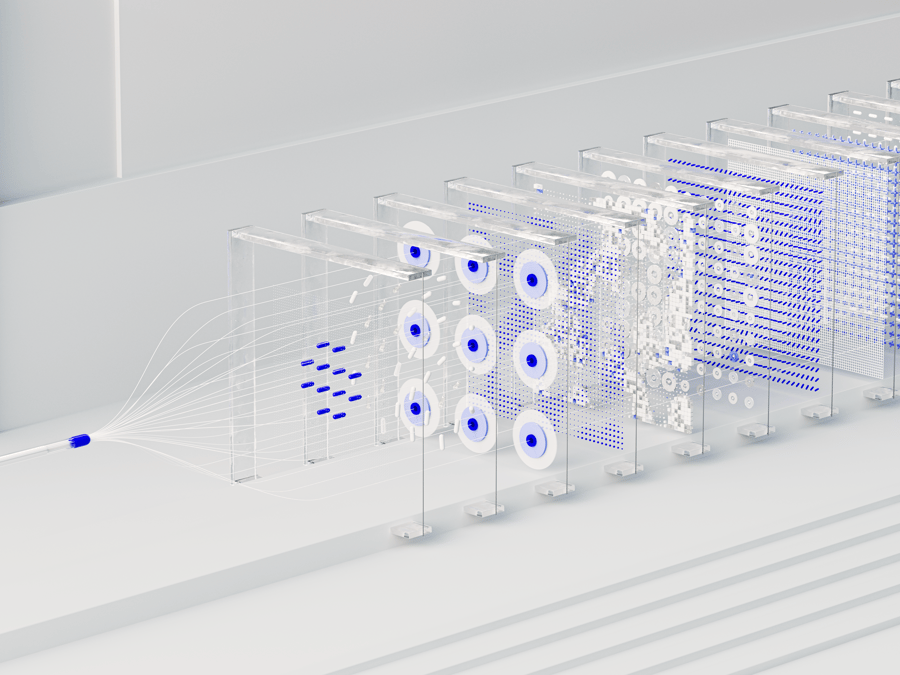
The Instagram algorithm isn’t one single formula. It’s actually a collection of systems that work together to rank content across different parts of the app. When it comes to your main feed, several key factors determine which posts appear first.
First, the algorithm looks at information about the post itself. This includes when it was shared, how many people have liked or commented on it, and how long the content is. A post that’s getting lots of engagement quickly is more likely to be shown to more people.
Second, Instagram considers information about the person who posted. If you frequently interact with someone’s content by liking their photos, commenting on their posts, or sending them direct messages, the algorithm assumes you want to see more from them. Your Instagram activity status and behavior patterns help the platform understand which accounts matter most to you.
Third, the algorithm looks at your own activity. What types of content do you usually engage with? Do you prefer videos over photos? Do you spend more time looking at certain topics? Instagram uses this information to personalize your feed based on your interests.
Finally, the algorithm considers your history with specific accounts. If you’ve been tagged in photos together, exchanged messages, or consistently engaged with each other’s content, Instagram treats that as a signal of a close relationship. The platform aims to show relevant content that enhances user satisfaction by prioritizing what you actually want to see.
All of these signals work together to create a personalized ranking for every user. Two people following the exact same accounts will see completely different feeds based on their individual behavior and preferences.
Why Instagram Changed the Feed
Instagram didn’t change the feed just to frustrate users. The platform had specific goals in mind when it moved away from chronological ordering.
The main reason was to improve the user experience. As Instagram grew, the average user followed more and more accounts. With a chronological feed, people were missing posts from their closest friends and favorite creators because those posts got buried under content from accounts they barely interacted with. The algorithm was designed to surface the most relevant content so users wouldn’t miss what mattered most to them.
Another reason was to keep people on the app longer. When users see content they enjoy, they’re more likely to keep scrolling, liking, and commenting. This increased engagement benefits Instagram’s business model, but it also creates a better experience for users who find value in the content they’re shown.
Instagram also wanted to focus on encouraging meaningful interactions rather than passive scrolling. The algorithm prioritizes content that sparks real conversations and genuine connections. Posts that get thoughtful comments and shares are valued more highly than posts that just rack up quick likes.
For creators and businesses, the feed change created both challenges and opportunities. While it became harder to guarantee that every follower would see every post, it also meant that high-quality content could reach more people through algorithmic recommendations.
How Different Content Types Appear in Your Feed
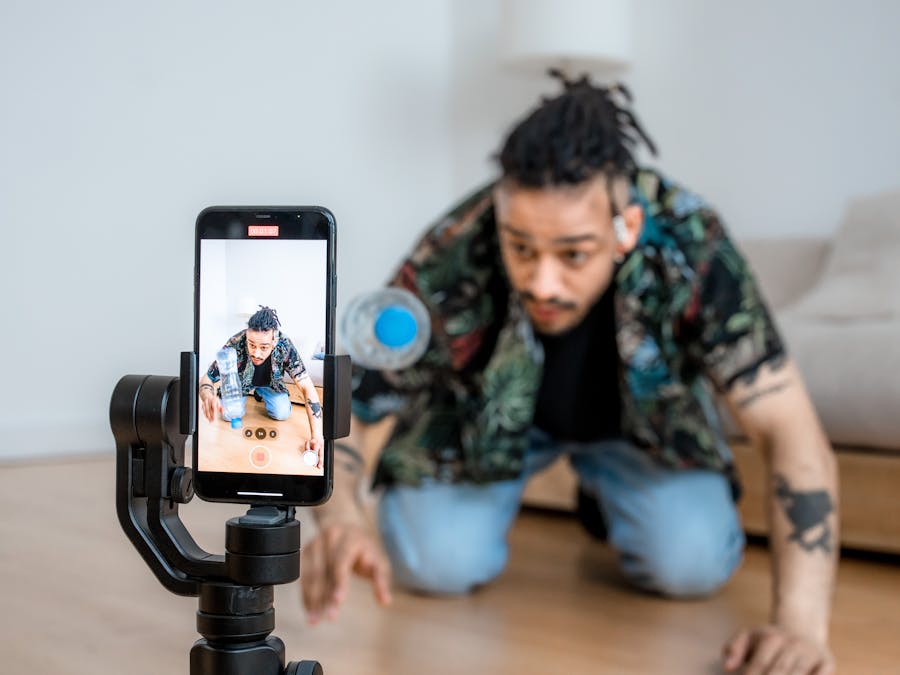
Not all content is treated the same way by the Instagram algorithm. Photos, videos, Reels, and Stories each have their own ranking systems and appear differently in your experience.
Regular photo and video posts appear in your main feed based on the factors we discussed earlier. These posts are ranked according to your relationships, interests, and engagement patterns. A single photo from a close friend might appear higher than a carousel post from a brand you follow but rarely interact with.
Reels have their own dedicated section in the app, but they also appear in the main feed. Instagram has been pushing Reels heavily, so you might notice more short-form video content appearing as you scroll. Understanding Instagram Reels length constraints can help creators make content that fits the format and performs well in the algorithm.
Stories appear at the top of your feed in a separate row. The order of Stories is also determined by an algorithm that considers which accounts you interact with most. If you frequently watch someone’s Stories, reply to them, or react to their content, their Stories will appear closer to the front of the row.
When you share a story on Instagram, it can also influence how your main feed posts perform. Active Story posting keeps you visible to your audience and signals to the algorithm that you’re an engaged creator.
Carousel posts, which contain multiple images or videos, often perform well because they encourage users to spend more time engaging with the content. The algorithm notices when people swipe through all the slides, which can boost the post’s ranking.
The Role of Engagement in Feed Ranking

Engagement is one of the most important factors in how the Instagram feed change affects content visibility. But not all engagement is created equal.
Likes are the most basic form of engagement. They signal that someone enjoyed your content, but they’re also the easiest action to take. A quick double-tap doesn’t tell the algorithm much about how meaningful the interaction was.
Comments carry more weight, especially when they’re thoughtful and spark conversation. A post with lots of genuine comments signals to Instagram that the content is creating real connections between people.
Saves are particularly valuable. When someone saves your post to look at later, it tells the algorithm that your content has lasting value. This is a strong signal that can boost your visibility in the feed.
Shares, whether to Stories or through direct messages, indicate that your content is worth spreading. When people share your posts with their friends, it expands your reach and signals quality to the algorithm.
Direct message interactions also matter. When you react to messages on Instagram or have ongoing conversations with someone, the algorithm recognizes that relationship as meaningful. This can influence which posts from that person appear in your feed.
High-quality engagement matters more than vanity metrics for feed visibility. A post with fewer likes but lots of saves and comments might outperform a post with thousands of likes but no real conversation happening around it.
How Relationships Affect Your Feed
One of the most significant aspects of the Instagram feed change is how it prioritizes content from people you have real relationships with. The algorithm tries to identify which accounts represent genuine connections in your life.
Several signals help Instagram understand your relationships. If you frequently like and comment on someone’s posts, watch their Stories, send them direct messages, or tag each other in content, the algorithm assumes you have a close relationship. Content from these accounts will appear higher in your feed.
The Instagram Close Friends feature is another relationship signal. When you add someone to your Close Friends list, you’re explicitly telling Instagram that this person matters to you. This can influence how their content is ranked in your feed.
Instagram recognizes the value of community by showing content from people you care about. The platform wants to strengthen real connections, not just show you content from the accounts with the biggest followings.
This relationship-based ranking means that building genuine connections with your audience is more important than ever. For creators and businesses, it’s not enough to just post content. You need to engage with your followers, respond to comments, and create a sense of community around your account.
Family members and close friends who interact with you regularly will almost always appear near the top of your feed, even if their posts don’t get as much overall engagement as content from popular accounts.
Tips to Adapt Your Content Strategy
Now that you understand how the Instagram feed change works, here are practical ways to adapt your content strategy for better visibility and engagement.
Post consistently but focus on quality over quantity. The algorithm rewards accounts that post regularly, but flooding your followers with mediocre content won’t help. Aim for a sustainable posting schedule that allows you to create content worth engaging with.
Timing matters. While the algorithm doesn’t strictly prioritize new posts, recency is still a factor. Posting when your audience is most active gives your content a better chance of getting early engagement, which can boost its ranking. Learning to schedule your Instagram posts can help you hit those optimal times consistently.
Create content that encourages interaction. Ask questions in your captions, create polls in your Stories, and make content that people want to save and share. The more engagement your posts receive, the more the algorithm will show them to others.
Use all of Instagram’s features. The platform tends to favor accounts that use its full range of tools, including Reels, Stories, carousels, and live video. Diversifying your content types can help you reach different segments of your audience.
Focus on building a visually cohesive presence. When you build a feed people want to scroll, you create an experience that keeps followers coming back. A well-designed feed can increase the time people spend on your profile, which signals value to the algorithm.
Engage authentically with your community. Reply to comments, respond to direct messages, and interact with your followers’ content. These relationship signals help ensure your posts appear in their feeds.
Write compelling captions that encourage people to read and respond. Longer captions can increase the time people spend on your post, which is another positive signal for the algorithm.
Growing Your Reach Despite Feed Changes
Even with algorithm changes, there are effective ways to expand your audience and maintain visibility on Instagram.
Hashtags remain a useful discovery tool. Using relevant hashtags helps your content appear in searches and on hashtag pages, where new people can find you. Focus on a mix of popular and niche hashtags that relate to your content.
Collaborations with other creators can introduce you to new audiences. When you create content together or get featured on another account, you tap into their follower base and potentially gain new followers who are interested in similar content.
Cross-promotion across platforms helps you grow your online presence with Instagram as part of a larger strategy. Sharing your Instagram content on other social networks or embedding it on your website can drive new traffic to your profile.
Reels offer significant discovery potential. Instagram actively promotes Reels to users who don’t follow you, making them one of the best ways to reach new audiences. Creating entertaining or educational short-form videos can dramatically expand your reach.
Engaging with content in your niche helps you get noticed by potential followers. When you leave thoughtful comments on posts from accounts in your industry, you become visible to their audience and can attract people who share your interests.
Common Mistakes to Avoid
As you adapt to the Instagram feed change, watch out for these common mistakes that can hurt your visibility and engagement.
Engagement bait is a trap. Asking people to “like this post if you agree” or using other manipulative tactics might get short-term engagement, but Instagram’s algorithm is designed to detect and penalize this behavior. Focus on creating genuinely engaging content instead.
Inconsistent posting confuses the algorithm and your audience. If you post five times one week and then disappear for a month, your followers may stop engaging with your content, which hurts your ranking. Find a sustainable rhythm and stick to it.
Ignoring your community is a major mistake. If you never respond to comments or messages, you’re missing opportunities to build the relationship signals that boost your feed ranking. Make time to engage with the people who engage with you.
Buying followers or engagement always backfires. Fake accounts don’t engage authentically, which tanks your engagement rate and signals to the algorithm that your content isn’t valuable. Build your audience organically for lasting results.
Posting the same type of content repeatedly can limit your reach. The algorithm favors accounts that use multiple content formats. If you only post static images, try adding Reels or carousels to your mix.
Obsessing over metrics can lead to burnout and poor decisions. While it’s important to understand how the algorithm works, creating content you’re proud of and building genuine connections will serve you better in the long run than chasing every algorithmic trend.
The Instagram feed change isn’t something to fight against. By understanding how it works and adapting your approach, you can create content that reaches the right people and builds meaningful connections on the platform.