



If you want more people to find your website through search engines, you might be surprised to learn that your social media activity can help. While social media and SEO are often treated as separate marketing channels, they actually work together in powerful ways. The content you share on platforms like Instagram, Facebook, LinkedIn, and X can influence how visible your brand becomes in search results.
Think of social media as a megaphone for your content. When you post something valuable and people engage with it, that content travels further. More eyes on your content means more chances for people to link to it, mention your brand, and visit your website. All of these actions send positive signals that can support your search engine rankings over time.
In this guide, we’ll explore how social media and SEO connect, and share practical strategies you can use to make these two channels work together. Whether you’re just starting out or looking to improve your current approach, understanding this relationship can help you grow your online presence more effectively.
Understanding the Connection Between Social Media and SEO
Search engines like Google don’t directly use social media metrics as ranking factors. However, the activities that happen on social platforms can indirectly boost your search visibility in meaningful ways. When your content gets shared widely, it reaches more people who might link to it from their own websites or blogs. Those backlinks do count for SEO.
Social media also helps build brand awareness. When people recognize your brand name, they’re more likely to click on your website in search results. This increased click-through rate signals to search engines that your content is relevant and valuable. According to the Digital 2024 report, billions of people use both social media and search engines regularly, often moving between the two as they research topics and make decisions.
Content distribution is another key connection. Your blog posts, videos, and other website content can reach a much larger audience when you share them on social platforms. This expanded reach creates more opportunities for engagement, shares, and ultimately, the kind of attention that supports better search performance. The relationship isn’t direct, but it’s real and worth understanding.
Brand signals matter too. When your business name appears frequently across social platforms with positive engagement, it builds credibility. Search engines pay attention to brand mentions and the overall online presence of businesses. A strong social media presence contributes to this broader picture of authority and trustworthiness.
How Social Signals Influence Search Visibility

Social signals refer to the engagement metrics your content receives on social platforms. This includes likes, shares, comments, saves, and other forms of interaction. While these signals aren’t direct ranking factors, they create a ripple effect that can improve your search visibility.
When a piece of content gets lots of engagement, it typically reaches more people through the platform’s algorithm. This increased exposure means more potential visitors to your website and more chances for other content creators to discover and link to your work. Understanding social media engagement and visibility can help you create content that performs well across both social and search channels.
Many businesses align their social activity with broader SEO practices to maximize results. This means creating content that serves both audiences—content that’s shareable on social media and valuable enough to earn backlinks. The key is consistency. Regular posting, genuine engagement with your audience, and sharing truly helpful content all contribute to stronger social signals over time.
Comments and discussions on your posts also add value. They show that people find your content interesting enough to respond to, which can encourage even more engagement. This creates a positive cycle where good content leads to more visibility, which leads to more engagement, which leads to even greater visibility.
Using Social Media to Drive Website Traffic
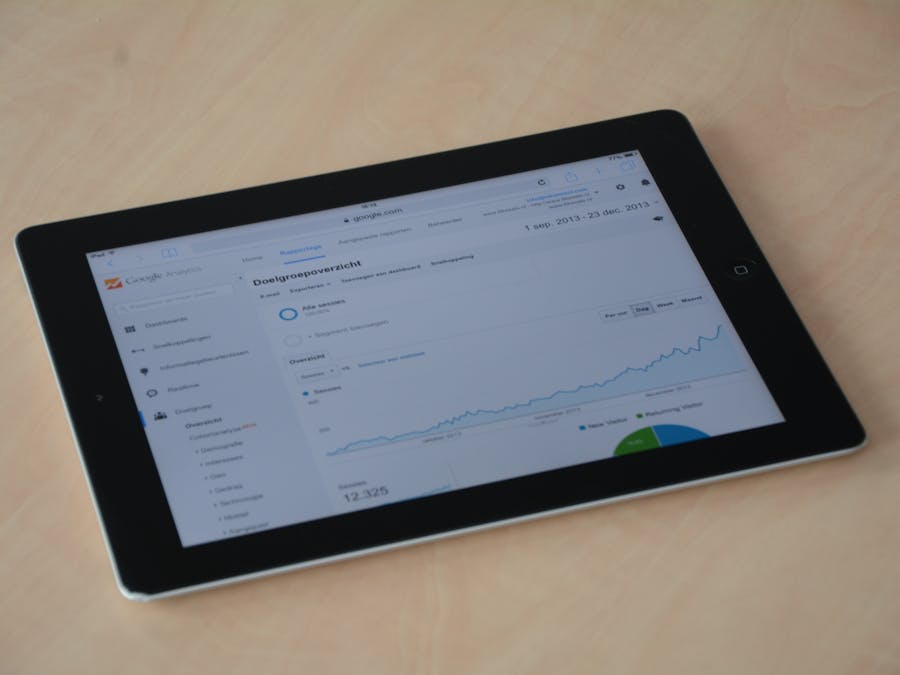
One of the most direct ways social media supports SEO is by sending visitors to your website. Every click from a social post to your site is an opportunity to convert a casual browser into a subscriber, customer, or fan. More importantly, this traffic shows search engines that people are interested in your content.
To drive traffic effectively, you need to give people a reason to click. Share snippets of your blog posts that leave readers wanting more. Create compelling captions that highlight the value of your content. Use clear calls to action that tell people exactly what they’ll get when they visit your site.
Creating dedicated landing pages for social media campaigns can improve your results significantly. These pages are designed specifically for visitors coming from social platforms, with messaging that matches what they saw in your post. This consistency improves the user experience and increases the chances that visitors will take action.
Driving traffic from social media supports your overall SEO efforts by increasing the number of people who interact with your website. When visitors spend time on your pages, explore multiple articles, and return for more, these behaviors signal to search engines that your site provides value. The traffic itself may not directly boost rankings, but the engagement that follows certainly helps.
Consider sharing different types of content to see what resonates with your audience. Blog posts, how-to guides, videos, infographics, and case studies can all drive traffic when shared strategically. Pay attention to which formats get the most clicks and double down on what works.
Building Backlinks Through Social Content
Backlinks remain one of the most important factors in search engine rankings. When other websites link to your content, it signals to search engines that your content is valuable and trustworthy. Social media can play a significant role in earning these valuable links.
The key is creating content that people want to share and reference. Original research, comprehensive guides, unique perspectives, and visually appealing content tend to attract the most attention. When you share this content on social media, it reaches journalists, bloggers, and other content creators who might link to it in their own work.
You can cross-promote across social platforms to maximize your content’s reach. Sharing the same piece of content on multiple platforms increases the chances that it will be seen by someone who can provide a valuable backlink. Each platform has its own audience, so cross-promotion helps you tap into different communities.
Social media can also help you extend your link-building beyond traditional outreach methods. Instead of only sending cold emails to request links, you can build relationships with other creators on social platforms. Engaging with their content, sharing their work, and building genuine connections often leads to natural link opportunities over time.
Infographics and data visualizations work particularly well for earning backlinks. They’re easy to share on social media and provide value that other websites want to reference. When you create visual content that explains a complex topic simply, other creators are more likely to embed it in their articles and link back to your original source.
Leveraging Influencer Partnerships for SEO Benefits

Working with influencers can amplify your content’s reach and create opportunities for backlinks and brand mentions. When an influencer shares your content or talks about your brand, their audience takes notice. This exposure can lead to increased website traffic, social engagement, and even links from other websites.
Understanding the different types of social media influencers helps you choose the right partners for your goals. Mega influencers have massive reach but may be expensive and less targeted. Micro and nano influencers often have smaller but more engaged audiences who trust their recommendations. For SEO purposes, working with influencers who have audiences that overlap with your target market tends to produce better results.
Brand mentions from influencers contribute to your overall online presence. Even when these mentions don’t include direct links, they build awareness and credibility. People who hear about your brand from a trusted influencer may search for you directly, which is a positive signal for search engines.
Some influencer partnerships can result in direct backlinks. If an influencer has a blog or website in addition to their social profiles, they might write about your product or service and link to your site. These editorial links from relevant websites can significantly boost your search rankings.
When approaching influencer partnerships, focus on creating genuine value for their audience. Partnerships that feel authentic perform better on social media and are more likely to result in meaningful engagement that supports your SEO goals.
Social Media as a Search Engine Alternative
More people are using social media platforms as search engines, especially younger users. Instead of going to Google to find product recommendations, restaurant reviews, or how-to information, they search directly on Instagram, TikTok, or YouTube. This shift has important implications for your content strategy.
A 2024 survey found that many younger users prefer searching on social platforms because they find the results more authentic and relatable. They want to see real people using products and sharing honest opinions, not just polished marketing messages.
This trend means your social content needs to be discoverable within each platform. Using relevant keywords in your captions, profiles, and hashtags helps people find your content when they search. Think about what terms your target audience might use and incorporate them naturally into your posts.
Video content is particularly important for social search. Platforms like TikTok and YouTube prioritize video in their search results, and users often prefer watching a quick video over reading a long article. Creating short, helpful videos that answer common questions can help you capture this search traffic.
Optimizing for social search doesn’t replace traditional SEO—it complements it. By being discoverable on both search engines and social platforms, you create multiple pathways for people to find your brand. This diversified approach reduces your dependence on any single channel and helps you reach a broader audience.
Creating SEO-Friendly Social Content

Your social media profiles and posts can be optimized for better discoverability, both within social platforms and in traditional search results. Many social profiles appear in Google search results, so optimizing them helps you control more of the first page when people search for your brand.
Start with your profile. Use relevant keywords in your bio, username, and any description fields. Make sure your profile clearly communicates what you do and who you help. Include a link to your website so visitors can easily find more information.
When creating posts, think about the keywords your audience uses. Include these terms naturally in your captions without making them sound forced or spammy. Hashtags also help with discoverability, but use them strategically. Research which hashtags are popular in your niche and mix broad tags with more specific ones.
Your social content should fit into a broader SEO content strategy that considers how different pieces of content work together. A blog post might provide in-depth information, while social posts share key takeaways and drive traffic back to the full article. This integrated approach maximizes the value of every piece of content you create.
Exploring ad-free growth strategies can help you build an organic presence that supports long-term SEO goals. While paid promotion has its place, organic content that earns engagement naturally tends to create more sustainable results. Focus on providing genuine value, and the engagement will follow.
Consistency matters for both social algorithms and SEO. Regular posting keeps your audience engaged and signals to platforms that you’re an active, valuable creator. Create a content calendar that ensures you’re sharing quality content on a predictable schedule.
Engagement Strategies That Support SEO Goals
Engagement on social media does more than boost your vanity metrics. It creates real business value by increasing brand awareness, building relationships with potential customers, and indirectly supporting your search visibility. The more people interact with your content, the further it spreads.
Using social media comments as a growth strategy can significantly increase your visibility. When you respond to comments on your posts, you encourage more conversation. This additional engagement signals to the platform’s algorithm that your content is valuable, leading to even more reach.
Asking questions in your posts is a simple way to encourage comments. People love sharing their opinions and experiences, so give them opportunities to do so. Polls, quizzes, and interactive content also drive engagement and keep your audience coming back for more.
Beyond building awareness, strong engagement can help you generate leads on social media. When people engage with your content regularly, they become familiar with your brand and more likely to consider your products or services. This relationship-building aspect of social media supports your broader business goals.
Community building is another powerful engagement strategy. Creating a sense of belonging around your brand encourages people to become advocates who share your content with their own networks. These organic shares extend your reach far beyond what you could achieve alone and create more opportunities for backlinks and brand mentions.
Remember that engagement is a two-way street. Don’t just post and disappear. Spend time interacting with your audience, responding to messages, and participating in conversations. This genuine interaction builds trust and loyalty that translates into long-term business success.
Tools and Resources for Social Media SEO
Managing the connection between social media and SEO becomes easier with the right tools. Various platforms can help you track your social performance, analyze how it connects to your search visibility, and identify opportunities for improvement.
For comparing different SEO software options, Top10seosoftware.com provides helpful reviews and comparisons. Finding the right tools for your specific needs can save time and help you make better decisions about where to focus your efforts.
AI tools are becoming increasingly common in social media management. Reports show that over 80% of marketers embrace AI for various aspects of their work, including content creation, scheduling, and analytics. Exploring AI solutions for business growth can help you work more efficiently and scale your efforts.
Visual content plays a crucial role in social media success. Free resources like Unsplash provide high-quality images that can enhance your posts without straining your budget. Good visuals increase engagement, which supports all the SEO benefits we’ve discussed.
Analytics tools help you understand what’s working and what isn’t. Most social platforms offer built-in analytics that show you which posts perform best, when your audience is most active, and how your following is growing. Use this data to refine your strategy over time.
Scheduling tools allow you to plan your content in advance and maintain consistency even when you’re busy with other tasks. Many of these tools also offer analytics features that help you track performance across multiple platforms in one place.
The key is finding a combination of tools that fits your workflow and budget. Start with free options and upgrade as your needs grow. The most important thing is to actually use the tools you choose—the best software in the world won’t help if it sits unused.
By understanding how social media and SEO work together and using the right strategies and tools, you can create a powerful marketing approach that drives sustainable growth. The connection between these two channels isn’t always obvious, but it’s real and valuable. Start implementing these strategies today, and you’ll likely see improvements in both your social engagement and your search visibility over time.