



Getting your business noticed online takes more than just one approach. When you combine paid advertising with organic social efforts, you create a marketing system that works harder and smarter. PPC and social media marketing together give you the best of both worlds: immediate visibility from paid ads and lasting relationships from social engagement.
Think of it like opening a new store. Paid ads are like putting up a big sign that brings people through the door quickly. Social media is like building friendships with your neighbors so they keep coming back and tell their friends about you. When you use both at the same time, you get fast results while also building something that lasts.
This guide walks you through everything you need to know about pairing these two powerful channels. You will learn how they work together, why the combination matters, and practical steps you can take to get started.
What Is PPC and How Does It Work With Social Media
PPC (Pay-Per-Click) advertising is a model where you pay each time someone clicks on your ad. Instead of waiting for people to find you naturally, you pay to appear at the top of search results or in social media feeds. This gives you instant visibility to people who are already looking for what you offer.
The basic idea is simple. You choose keywords or audience characteristics, create an ad, set a budget, and your ad shows up to the right people. You only pay when someone actually clicks, which means you are paying for real interest rather than just impressions.
Social media platforms have their own advertising systems that work on similar principles. Facebook, Instagram, LinkedIn, and other platforms let you target specific groups of people based on their interests, behaviors, and demographics. These social ads appear naturally in people’s feeds as they scroll through content from friends and pages they follow.
When you run PPC campaigns alongside your regular social media posts, something interesting happens. Your paid ads can drive traffic to your social profiles, while your organic social content can warm up audiences before they see your ads. People who have already engaged with your posts are more likely to click on your ads because they recognize your brand.
The connection between search PPC and social media also matters. Someone might see your ad on Google, visit your website, and then later see your content on Instagram. Each touchpoint reinforces the others, making your overall marketing more effective than any single channel could be alone.
Why Combining PPC and Social Media Makes Sense
Using PPC and social media marketing together creates advantages that neither channel can achieve on its own. The combination addresses different parts of the customer journey while reinforcing your message across multiple touchpoints.
First, you reach people at different stages of awareness. Some people are actively searching for solutions and ready to buy. PPC search ads catch these high-intent users. Other people are not looking for anything specific but might be interested if they see the right content. Social media reaches these passive browsers and plants seeds for future purchases.
Second, you build trust faster. When someone sees your brand in multiple places, they start to feel like they know you. A person might click on a Google ad, browse your website, and then see your posts on social media over the next few days. Each interaction builds familiarity and trust, making them more likely to become a customer.
Third, you can test and learn more quickly. Running ads on both search and social platforms gives you twice as much data about what messages work. If a certain headline performs well in your PPC ads, you can try similar language in your social posts. If a particular image gets lots of engagement on social media, you might use it in your paid campaigns.
Many businesses find that digital marketing agency strategies that combine multiple channels outperform single-channel approaches. The synergy between paid and organic efforts creates a multiplier effect where each channel makes the others work better.
Finally, you protect yourself against changes in any single platform. If one channel becomes more expensive or less effective, you have others to fall back on. This diversification keeps your marketing stable even when individual platforms change their algorithms or pricing.
Building a Stronger Digital Presence
Your digital presence is how people perceive your brand across all online channels. When you combine PPC with social media, you create a more complete and consistent presence that makes a stronger impression on potential customers.
Paid advertising puts your brand in front of new audiences quickly. Without ads, you rely on people finding you through search or stumbling across your social profiles. With PPC, you can reach exactly the people you want to reach, right when you want to reach them. This accelerates your visibility and gets your name out there faster.
Social media adds depth to that visibility. While ads might be the first introduction, your social profiles show people what your brand is really about. They can see your posts, read comments from other customers, and get a sense of your personality and values. This context makes your paid ads more meaningful because people understand who they are clicking through to.
The combination also helps with building social media brand value over time. Every ad click that leads to a social follow creates a long-term connection. Every social engagement that leads to a website visit creates a potential customer. The two channels feed each other in a cycle that grows your overall presence.
Consistency matters here. Your ads and social posts should feel like they come from the same brand. Use similar colors, language, and messaging across both channels. When someone sees your ad and then visits your social profile, the experience should feel seamless. This consistency builds recognition and trust.
Using Data From Both Channels to Improve Results
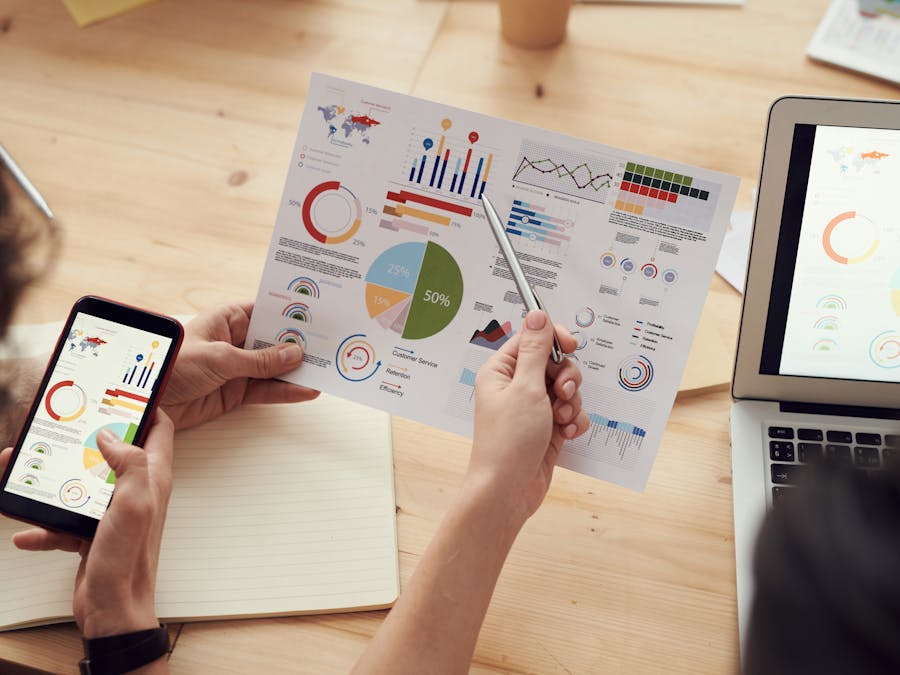
One of the biggest benefits of running PPC and social media marketing together is the data you collect. Each channel gives you different insights, and combining them helps you understand your audience better than either could alone.
PPC campaigns tell you exactly which keywords and messages drive clicks and conversions. You can see which ad headlines get the most attention, which landing pages convert best, and which audiences are most valuable. This data is precise and directly tied to business results.
Social media gives you different kinds of insights. You learn what content people engage with, what topics spark conversations, and what your audience cares about. Comments and shares reveal attitudes and preferences that click data cannot capture. You also see how people talk about your brand and what questions they have.
When you look at both sets of data together, patterns emerge. Maybe your PPC data shows that a certain keyword converts well, and your social data shows that posts about that topic get lots of engagement. That tells you the topic resonates with your audience across channels, so you should create more content around it.
Understanding SEO and social media integration helps you see how search behavior and social behavior connect. People often search for things they have seen on social media, and they often share things they found through search. Tracking these connections helps you create content that performs well in both places.
Retargeting is another powerful way to use data across channels. When someone visits your website from a PPC ad but does not buy, you can show them social media ads later. When someone engages with your social content, you can add them to custom audiences for search ads. This cross-channel retargeting keeps your brand in front of interested people until they are ready to convert.
Creating Content That Works for Paid and Organic Reach
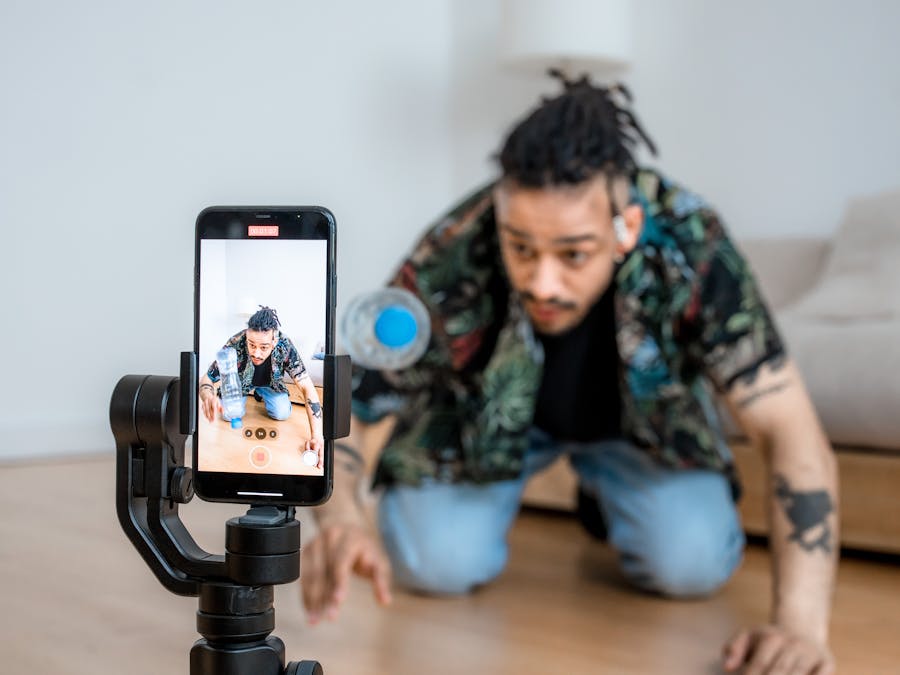
Good content is the foundation of both PPC and social media success. When you create content that works for both channels, you get more value from every piece you produce.
Start by understanding what makes content shareable on social media. People share things that are useful, entertaining, or emotionally resonant. They share content that makes them look good to their friends or that expresses something they believe. Content that gets shared organically can also perform well as paid content because it has already proven its appeal.
Video content works particularly well across both channels. Short-form video content captures attention quickly, which is essential when you are competing for space in crowded feeds. Videos can tell stories, demonstrate products, and create emotional connections in ways that static images and text cannot match.
Creating video does not have to be complicated or expensive. AI tools for social media videos can help you produce engaging content without a big production budget. These tools can help with editing, captions, and even generating ideas for what to create.
When planning content, think about how each piece can serve multiple purposes. A blog post can become a series of social posts, a video script, and ad copy. An infographic can work as a social post, a display ad, and a lead magnet. This repurposing approach helps you get more mileage from your content investments.
Test your organic content before putting paid budget behind it. Post something on social media and see how it performs. If it gets good engagement, consider boosting it or creating similar content for your ad campaigns. This testing approach reduces waste because you are only paying to promote content that has already proven it resonates.
Keep your messaging consistent but adapt the format for each channel. A message that works as a long-form blog post might need to become a punchy headline for a search ad or a visual story for Instagram. The core idea stays the same, but the presentation fits the platform.
Running Awareness Campaigns Across Multiple Channels

Brand awareness campaigns benefit enormously from a multi-channel approach. When you coordinate your PPC and social media efforts around a single awareness goal, you create a surround-sound effect that makes your message impossible to miss.
Start by defining what you want people to know or remember about your brand. This could be a new product launch, a repositioning effort, or simply getting your name in front of a new audience. Having a clear goal helps you create consistent messaging across all channels.
Running social media awareness campaigns alongside PPC gives you multiple ways to reach the same audience. Someone might see your display ad while browsing a website, then see your video ad on YouTube, then see your organic post on Instagram. Each touchpoint reinforces the others and builds recognition.
Consider how your channel mix affects your reach. Different platforms reach different audiences, and if you add a social media platform to your strategy, you need to think about how it fits with your existing efforts. Each platform has its own strengths and audience characteristics, so choose platforms that align with your target customers.
Timing matters for awareness campaigns. You might launch with a burst of paid advertising to get initial attention, then sustain awareness with ongoing social content. Or you might build organic buzz first and then amplify it with paid promotion. The right sequence depends on your goals and budget.
Measure awareness campaigns differently than direct response campaigns. Instead of focusing only on clicks and conversions, look at reach, frequency, and brand lift. Track how many people saw your message, how often they saw it, and whether their perception of your brand changed. These metrics tell you whether your awareness efforts are working.
Connecting Email Marketing to Your PPC and Social Strategy
Email marketing adds another powerful layer to your PPC and social media efforts. When all three channels work together, you create a complete system for attracting, nurturing, and converting customers.
PPC and social media are great for reaching new people, but email is where you build deeper relationships. Once someone joins your email list, you can communicate with them directly without paying for each interaction. This makes email one of the most cost-effective marketing channels available.
Use your PPC and social campaigns to grow your email list. Offer something valuable in exchange for an email address, like a guide, discount, or exclusive content. Run ads that drive people to landing pages where they can sign up. Promote your email signup on your social profiles and in your posts.
Once people are on your list, use email to reinforce what they see on social media and in your ads. Share the same stories and messages across channels so your brand feels consistent. Aligning email with social media creates a cohesive experience that strengthens your overall marketing.
Email also helps you bring people back to your social profiles and website. Include social links in your emails and encourage subscribers to follow you. Share your best social content in your newsletters. This cross-promotion keeps all your channels growing together.
You can also use email data to improve your paid campaigns. Upload your email list to advertising platforms to create custom audiences. Target your existing subscribers with specific offers, or create lookalike audiences to find new people similar to your best customers. This integration makes your ad targeting more precise and effective.
When to Work With Professional Marketing Help
Managing PPC and social media marketing together takes time, skill, and ongoing attention. At some point, you might wonder whether it makes sense to bring in professional help.
Consider working with professionals when your campaigns become too complex to manage effectively on your own. As you add more channels, audiences, and campaigns, the management burden grows. Professionals can handle this complexity while you focus on running your business.
Expertise matters, especially for PPC. The platforms are constantly changing, and staying current requires continuous learning. A proven PPC management agency brings specialized knowledge and experience that can improve your results and avoid costly mistakes.
For social media, social media marketing agencies can help with strategy, content creation, and community management. They understand what works on each platform and can create content that resonates with your audience. They also have tools and processes for managing multiple accounts efficiently.
The decision often comes down to return on investment. Calculate what your time is worth and how much you could improve results with professional help. If an agency can generate more revenue than they cost, the investment makes sense. If you are just starting out with limited budget, you might handle things yourself until you reach a scale where professional help pays off.
You do not have to outsource everything. Some businesses keep strategy in-house while outsourcing execution. Others handle day-to-day management themselves but bring in consultants for specific projects or audits. Find the arrangement that fits your needs and budget.
Practical Tips for Getting Started

If you are ready to combine PPC and social media marketing, here are concrete steps to get started.
First, audit what you are already doing. Look at your current PPC campaigns and social media presence. Identify what is working well and what needs improvement. This baseline helps you measure progress as you integrate your efforts.
Second, align your messaging across channels. Review your ad copy, social posts, and website content. Make sure they tell a consistent story about your brand. Update anything that feels disconnected or contradictory.
Third, set up tracking so you can see how channels work together. Use UTM parameters on your links so you know where traffic comes from. Set up conversion tracking on all platforms. Create dashboards that show performance across channels in one place.
Fourth, start small and expand. Pick one PPC campaign and one social platform to integrate first. Learn what works before adding more complexity. As you get comfortable, add more channels and campaigns to your integrated approach.
Fifth, create a content calendar that covers both paid and organic efforts. Plan your themes and messages in advance so everything coordinates. Leave room for timely content, but have a foundation of planned material to keep things consistent.
Sixth, review and adjust regularly. Set aside time each week to look at your data and make improvements. Test new ideas, cut what is not working, and double down on what is. Continuous improvement is how you get the most from your combined PPC and social media marketing efforts.
The combination of PPC and social media marketing creates opportunities that neither channel offers alone. By bringing them together thoughtfully, you build a marketing system that reaches more people, builds stronger relationships, and drives better results for your business.