



If you spend any time on social media, you’ve probably noticed that Instagram and TikTok are two of the most popular platforms around. Both offer ways to share content, connect with others, and build an audience. But while they might seem similar on the surface, the difference between Instagram and TikTok goes much deeper than you might think.
Understanding what makes each platform unique can help you decide where to focus your energy—or whether you should be active on both. Whether you’re a creator looking to grow your following, a business owner wanting to reach new customers, or simply someone curious about these platforms, this guide will walk you through everything you need to know.
We’ll explore how these platforms differ in terms of their audiences, content styles, algorithms, and more. By the end, you’ll have a clear picture of what each platform offers and how to make the most of both.
Understanding the Core Platforms
Instagram launched in 2010 as a photo-sharing app. Over the years, it has grown into a full-featured social media platform that includes photos, videos, Stories, Reels, and even shopping features. Instagram is owned by Meta (formerly Facebook) and has become a go-to place for lifestyle content, brand marketing, and visual storytelling.
The platform emphasizes polished, curated content. Many users spend time editing their photos and planning their feeds to create a cohesive look. Instagram is also known for its influencer culture, where creators partner with brands to promote products to their followers.
TikTok, on the other hand, burst onto the scene more recently. It grew out of the merger between Musical.ly and a Chinese app called Douyin. TikTok focuses almost entirely on short-form video content, typically ranging from 15 seconds to a few minutes. The platform is known for its casual, authentic vibe and its powerful recommendation algorithm.
While Instagram encourages users to build a curated profile, TikTok is more about individual videos going viral. You don’t need a large following to get millions of views on TikTok—the algorithm can push any video to a massive audience if it resonates with viewers. This fundamental difference shapes how creators approach each platform.
Audience Demographics: Who Uses Each Platform

One of the most important differences between Instagram and TikTok is who actually uses each platform. Understanding these demographics can help you figure out where your target audience spends their time.
Instagram tends to attract a slightly older crowd. The largest group of Instagram users falls between 25 and 34 years old. This makes Instagram a strong choice for brands targeting millennials and young professionals. The platform also has a significant user base in the 18-24 age range, but it skews older compared to TikTok.
TikTok, meanwhile, is especially popular among 16 to 24 year-olds. Gen Z has embraced TikTok as their platform of choice, and the app’s culture reflects their preferences for authenticity, humor, and creativity. If you’re trying to reach teenagers or young adults, TikTok is often the better bet.
That said, both platforms are expanding their reach. Instagram continues to attract younger users with features like Reels, while TikTok is seeing growth among older demographics as more people discover the app. When thinking about social media for younger audiences, it’s worth considering how each platform fits into their daily habits.
Geographic distribution also varies. Instagram has a more established global presence, while TikTok has seen explosive growth in markets around the world. Both platforms are available in most countries, though TikTok has faced regulatory challenges in some regions.
Content Formats and Styles
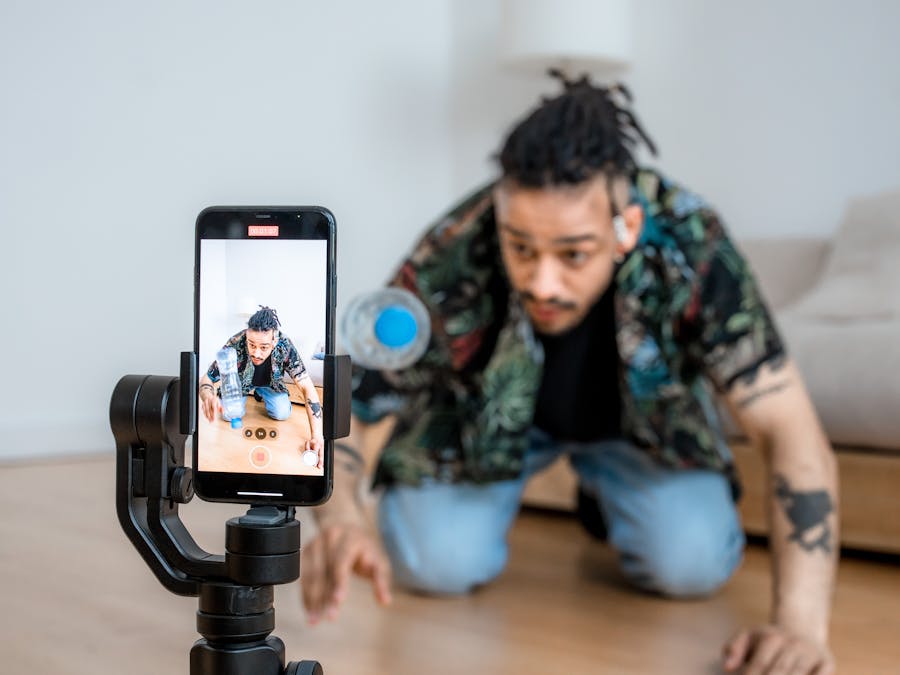
The types of content you can create differ significantly between these two platforms, and this shapes the overall user experience.
Instagram offers multiple content formats:
- Feed posts: Traditional photos and videos that appear on your profile grid
- Stories: Temporary content that disappears after 24 hours
- Reels: Short-form vertical videos similar to TikTok
- Live: Real-time video broadcasts
- IGTV: Longer-form video content
This variety means you can mix and match content types to keep your audience engaged. Many creators use Stories for behind-the-scenes content, feed posts for polished photos, and Reels for entertaining videos. If you’re interested in promoting live streams on Instagram, the platform’s live feature integrates well with other content types.
TikTok keeps things simpler. The platform is built entirely around short-form video. While you can post photos and longer videos now, the core experience remains focused on quick, engaging video clips. TikTok videos often feature trending sounds, music, and effects that users can easily add to their own content.
The content style also differs. Instagram content tends to be more polished and aspirational. Users often edit their photos extensively and plan their aesthetic carefully. TikTok content, by contrast, feels more raw and spontaneous. Imperfect videos often perform better than overly produced ones because they feel more authentic.
This difference in style affects how much time and effort goes into content creation. A single Instagram photo might require professional lighting and editing, while a successful TikTok video could be filmed on the spot with minimal preparation.
How the Algorithms Work
Both platforms use algorithms to decide what content users see, but they work quite differently.
Instagram’s algorithm considers several factors when ranking content in your feed. These include your relationship with the poster (do you interact with them often?), the timeliness of the post, and how much engagement it’s getting. Instagram also looks at your past behavior to predict what you’ll find interesting.
For creators, this means building a loyal following matters a lot on Instagram. Your content is more likely to be shown to people who already follow you and engage with your posts. Growing on Instagram often requires consistent posting and active community engagement.
TikTok’s algorithm works differently. The For You Page (FYP) is the heart of the TikTok experience, and it’s powered by a recommendation system that can surface content from anyone—not just accounts you follow. TikTok analyzes how users interact with videos (watch time, likes, comments, shares) and uses this data to show similar content.
This means a brand-new TikTok account can have a video go viral if the content resonates with viewers. The algorithm gives every video a chance to reach a wider audience based on performance, not just follower count. This democratized approach is one reason TikTok has become so popular with new creators.
Both platforms regularly update their algorithms, so keeping Instagram updated ensures you have access to the latest features and algorithm changes. Staying current with platform updates helps you adapt your strategy as things evolve.
Privacy and Content Moderation Concerns
When choosing where to spend your time online, privacy and content moderation are important considerations. Both platforms have faced scrutiny in these areas.
TikTok has attracted particular attention due to its ownership by ByteDance, a Chinese company. Some critics have raised concerns about data privacy and potential government access to user information. There have also been questions about censored videos and whether certain content is suppressed based on political considerations.
The platform also faced a 2019 children’s privacy scandal that resulted in significant regulatory action. This highlighted concerns about how the platform handles data from younger users, which is especially relevant given TikTok’s popularity among teenagers.
Instagram, as part of Meta, has its own privacy considerations. The platform collects extensive data about user behavior and uses it for targeted advertising. Meta has faced numerous privacy-related controversies over the years, though the company has made efforts to improve transparency and user controls.
Both platforms have content moderation policies that aim to remove harmful content, but enforcement can be inconsistent. Users on both platforms have reported issues with content being removed unfairly or harmful content staying up too long. Understanding these limitations helps you make informed decisions about where to build your presence.
Building Your Brand on Instagram

Instagram remains one of the most powerful platforms for brand building, whether you’re promoting a business or developing a personal brand.
The visual nature of Instagram makes it ideal for showcasing products, services, and lifestyle content. Brands can create a cohesive aesthetic that reflects their identity and values. This visual consistency helps followers recognize your content instantly and builds trust over time.
Here are some effective strategies for building your brand on Instagram:
- Develop a consistent visual style: Choose colors, filters, and compositions that reflect your brand personality
- Use all content formats: Mix feed posts, Stories, and Reels to keep your audience engaged
- Engage with your community: Respond to comments, answer DMs, and interact with other accounts in your niche
- Leverage hashtags strategically: Use relevant hashtags to help new people discover your content
- Collaborate with others: Partner with complementary brands or creators to reach new audiences
Many creators find success by using Instagram growth tools to help expand their reach and manage their accounts more efficiently. These tools can help with scheduling, analytics, and audience engagement.
For professionals looking to establish themselves as experts in their field, building a personal brand on Instagram can open doors to new opportunities. The platform’s professional features, including business accounts and insights, make it easier to track your progress and understand what resonates with your audience.
Instagram Shopping features also make it possible to sell products directly through the app, which is valuable for e-commerce businesses. The platform continues to add new tools for creators and businesses to monetize their presence.
Growing Your Presence on TikTok
TikTok offers unique opportunities for growth that differ from traditional social media approaches. The platform’s algorithm-driven discovery means you can build an audience quickly if your content connects with viewers.
Success on TikTok often comes down to understanding the platform’s culture. Users value authenticity, creativity, and entertainment. Overly polished or salesy content typically doesn’t perform well. Instead, focus on creating content that feels genuine and provides value—whether that’s entertainment, education, or inspiration.
Here are strategies that work well on TikTok:
- Jump on trends early: TikTok moves fast, and participating in trending sounds or challenges can boost your visibility
- Hook viewers immediately: The first few seconds of your video are crucial for keeping people watching
- Post consistently: Regular posting helps the algorithm understand your content and find the right audience
- Engage with comments: Responding to comments can boost engagement and build community
- Experiment freely: TikTok rewards creativity, so don’t be afraid to try new things
Understanding TikTok brand growth strategies can help you approach the platform more strategically. While TikTok feels casual, successful creators often put significant thought into their content strategy.
One advantage of TikTok is that you don’t need expensive equipment or professional production skills. Many viral videos are filmed on smartphones with minimal editing. What matters most is the idea and execution, not the production quality.
TikTok also offers monetization options for creators who build significant followings, including the Creator Fund and brand partnership opportunities. As the platform matures, these opportunities continue to expand.
Why You Should Leverage Both Platforms

Given the differences between Instagram and TikTok, you might wonder if you need to choose one over the other. In most cases, the answer is no—using both platforms can amplify your reach and help you connect with different audiences.
Here’s why a multi-platform approach makes sense:
Reach different demographics: As we discussed, Instagram and TikTok attract somewhat different age groups. Being active on both platforms lets you connect with a broader audience.
Repurpose content efficiently: Short-form video content can often work on both platforms with minor adjustments. A video you create for TikTok might perform well as an Instagram Reel, and vice versa.
Diversify your presence: Relying on a single platform is risky. Algorithm changes, policy updates, or other factors could impact your reach. Having a presence on multiple platforms provides stability.
Learn from different audiences: Each platform provides insights into what resonates with different groups. These learnings can inform your overall content strategy.
Managing multiple platforms does require more effort, but modern tools make it easier. You can leverage AI for Instagram marketing to streamline content creation and scheduling. Many creators also use tools Instagram creators use to stay organized across their various social media accounts.
The key is finding a sustainable workflow that lets you maintain quality on both platforms without burning out. This might mean batching content creation, repurposing videos across platforms, or focusing on different content types for each platform.
Final Thoughts
The difference between Instagram and TikTok comes down to more than just features—it’s about culture, audience, and how content gets discovered. Instagram offers a polished, multi-format experience that’s great for building a curated brand presence. TikTok provides a more casual, video-first environment where anyone can go viral with the right content.
Neither platform is inherently better than the other. The right choice depends on your goals, your target audience, and the type of content you enjoy creating. For many creators and businesses, the best approach is to be active on both platforms while adapting your strategy to fit each one’s unique characteristics.
Start by understanding where your audience spends their time. Experiment with different content types and see what resonates. Pay attention to analytics and adjust your approach based on what works. With time and consistency, you can build a meaningful presence on both Instagram and TikTok.
The social media landscape continues to evolve, and both platforms will likely introduce new features and changes. Stay curious, keep learning, and don’t be afraid to try new things. Your willingness to adapt will serve you well as you grow your presence across these powerful platforms.