



You spent hours creating the perfect video. The lighting looked great, the content was engaging, and everything seemed ready to share with your followers. But then you uploaded it to Instagram, and suddenly your crisp footage looked blurry and pixelated. Sound familiar?
This frustrating experience happens to creators every day. The good news is that it’s not random, and there are specific steps you can take to prevent it. When you understand how to upload high-quality videos to Instagram properly, you can keep your content looking sharp and professional every time.
In this guide, we’ll walk through everything you need to know about maintaining video quality on Instagram. From the technical settings that matter most to the common mistakes that ruin your footage, you’ll learn practical strategies that actually work. Let’s make sure your next upload looks exactly the way you intended.
Why Instagram Reduces Video Quality
Before you can fix the problem, it helps to understand why it happens in the first place. Instagram compresses every video that gets uploaded to the platform. This compression reduces file sizes so videos load quickly for viewers, even on slower internet connections.
Think of it like packing a suitcase. Instagram needs to fit millions of videos into its servers while making sure they play smoothly for billions of users. To do this, the platform removes some visual information from your video. The result? Your footage can lose sharpness, colors might look washed out, and fine details can become muddy.
The amount of compression depends on several factors. Videos that are already optimized for Instagram’s requirements get compressed less aggressively. But if you upload a video with the wrong settings, Instagram has to work harder to make it fit, which means more quality loss.
This matters because visual content drives engagement on the platform. When your videos look professional and clear, viewers are more likely to watch them all the way through, engage with your content, and follow your account. Blurry or pixelated videos, on the other hand, can make even great content feel amateur.
The rise of short form video has made quality even more important. With so much content competing for attention, viewers quickly scroll past anything that doesn’t look polished. Understanding Instagram’s compression process is the first step toward creating videos that survive it intact.
Best Video Settings for Instagram
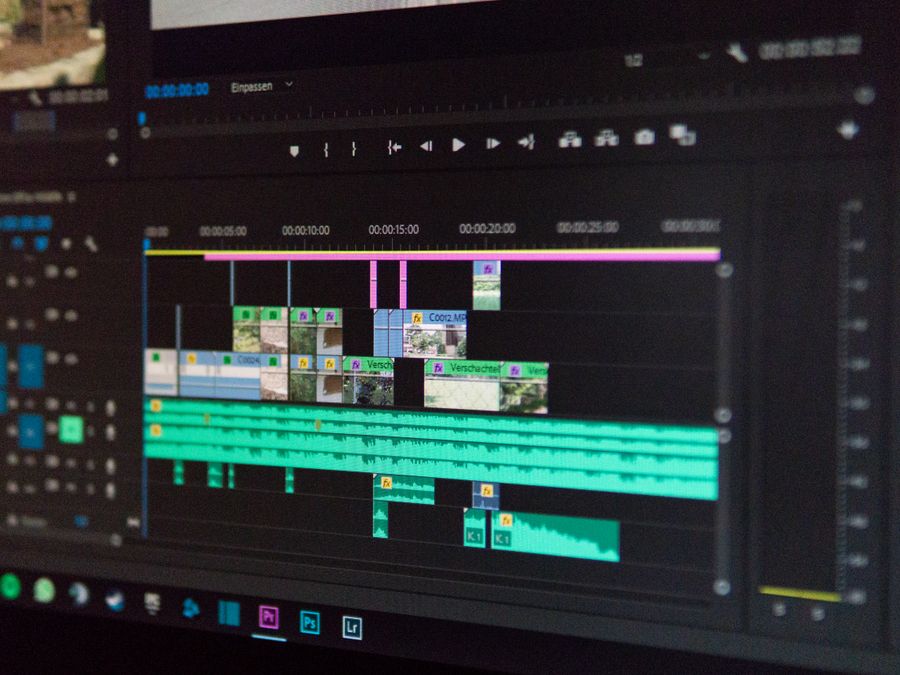
Getting your video settings right before you upload is the most important thing you can do to maintain quality. Instagram has specific requirements for different video formats, and matching these requirements helps minimize compression.
For Instagram Reels, the ideal resolution is 1080 x 1920 pixels. This gives you a 9:16 vertical aspect ratio that fills the entire screen on mobile devices. Feed videos work best at 1080 x 1080 pixels for square format or 1080 x 1350 pixels for portrait orientation. Stories also use the 9:16 aspect ratio at 1080 x 1920 pixels.
Resolution is just one piece of the puzzle. Your bitrate and frame rate settings also affect how your video looks after upload. Frame rate refers to how many individual images appear per second in your video. For most Instagram content, 30 frames per second works well. Some creators prefer 24 fps for a more cinematic look, while 60 fps can make action shots appear smoother.
Bitrate determines how much data is used to store each second of video. Higher bitrates mean more detail, but they also create larger files. For Instagram, aim for a bitrate between 10 and 20 Mbps for 1080p video. Going higher than this won’t improve quality because Instagram will compress it anyway, but going too low will result in visible artifacts.
File size limits vary by format. Reels can be up to 4GB, while feed videos have a 650MB limit for videos under 10 minutes. Stories are limited to 30MB per 15-second clip. Staying within these limits while maximizing quality requires finding the right balance of settings.
Choosing the Right File Format
The file format you use can make a significant difference in how your video looks after upload. Instagram works best with the MP4 format using the H.264 codec. This combination offers excellent quality while keeping file sizes manageable.
If you’re recording on an iPhone, your videos are likely saved as MOV files by default. While Instagram can accept MOV files, converting them to MP4 before uploading often produces better results. The conversion process gives you more control over the final settings and can reduce the amount of compression Instagram applies.
To check your current file format, look at the file extension on your video. On a computer, you can right-click the file and view its properties. On a phone, you might need to use a file manager app to see the full file name including the extension.
When exporting from editing software, always choose MP4 with H.264 encoding. Avoid formats like AVI or WMV, which Instagram will need to convert before processing. This extra conversion step can introduce additional quality loss.
How to Record Videos That Stay Sharp

The quality of your final upload depends heavily on the quality of your original footage. No amount of editing or optimization can fix a poorly recorded video. Starting with the best possible source material gives you the foundation for a great upload.
Lighting is perhaps the most important factor in video quality. Good lighting reduces noise and grain, which are the first things to suffer during compression. Natural light from a window works well for many situations. If you’re shooting indoors without good natural light, consider investing in a ring light or softbox. Even a simple desk lamp positioned correctly can make a noticeable difference.
Camera stability also affects quality. Shaky footage forces the compression algorithm to work harder because every frame is different. Using a tripod or gimbal keeps your shots steady and helps maintain sharpness after upload. If you’re shooting handheld, try bracing your elbows against your body or leaning against a wall for extra stability.
When creating engaging Instagram video content, pay attention to your camera settings. If your phone allows manual control, set the resolution to the highest available option. Enable any stabilization features your device offers. Avoid using digital zoom, which reduces quality significantly.
Good recording techniques support effective visual storytelling by ensuring your message comes through clearly. When viewers can see every detail you intended to show, your content becomes more compelling and easier to follow.
Editing Your Videos Without Losing Quality
Every time you export a video, some quality is lost. This is called generation loss, and it’s one of the biggest reasons videos look worse after editing. Understanding how to minimize this loss is essential for maintaining quality.
The key is to export your video as few times as possible. Plan your edits before you start so you can complete everything in one session. If you need to make changes later, go back to your original project file rather than editing the exported video.
When choosing editing software, look for options that support high-quality export settings. You can create Instagram videos with CapCut on your phone while maintaining good quality. CapCut and similar mobile apps offer export settings specifically optimized for social media platforms.
For more advanced editing, Adobe tools for stunning visual content give you precise control over every aspect of your video. Professional software like Premiere Pro or DaVinci Resolve allows you to fine-tune export settings for optimal Instagram compatibility.
If you don’t have access to professional software, you can edit videos online for free using browser-based tools. These platforms have become increasingly capable and often include presets for social media export.
When exporting, match your settings to Instagram’s requirements. Export at 1080p resolution with H.264 encoding. Set your bitrate to at least 10 Mbps for good quality. Choose a frame rate that matches your original footage to avoid conversion artifacts.
Avoid adding too many effects that require heavy processing. Filters, color grading, and transitions are fine, but excessive effects can introduce artifacts that become more visible after Instagram’s compression.
Step-by-Step Upload Process for Best Results
Once your video is ready, the upload process itself can affect quality. Following these steps helps ensure your video looks its best when it goes live.
First, make sure you have a strong internet connection. Uploading over a slow or unstable connection can cause Instagram to apply additional compression to speed up the process. Wi-Fi is generally better than mobile data for uploads.
Before uploading, close other apps that might be using bandwidth. Streaming services, downloads, and other uploads can compete for your connection and slow down the transfer.
When you start the upload, select your video and let Instagram process it completely before adding captions or other elements. Rushing through this step can sometimes cause issues with the final quality.
Use Instagram’s built-in editing tools sparingly. While filters and adjustments can enhance your video, each modification requires additional processing. If you’ve already edited your video in dedicated software, you probably don’t need to make further changes in the app.
After uploading, check your video on different devices. Sometimes quality issues are only visible on certain screens. View your video on both your phone and a tablet or computer if possible to make sure it looks good everywhere.
Uploading from Your Phone vs Computer
Where you upload from can make a difference in video quality. Both methods have advantages, and the best choice depends on your workflow.
Uploading directly from your phone is convenient, especially if you recorded and edited on the same device. There’s no need to transfer files, which eliminates one potential source of quality loss. The Instagram app is also optimized for mobile uploads and handles the process smoothly.
However, uploading from a computer can offer more control. You can use Instagram’s web interface or Creator Studio to upload videos. This method is particularly useful if you edited your video on a computer and want to avoid transferring it to your phone first.
If you do need to transfer videos between devices, use methods that don’t compress the file. Cloud storage services like Google Drive or Dropbox maintain original quality. Avoid sending videos through messaging apps, which often compress files automatically.
Some creators like to download Instagram videos to review how they look after upload or to repurpose content across platforms. This can help you identify any quality issues and adjust your process for future uploads.
Common Mistakes That Ruin Video Quality
Even when you know the right settings, certain mistakes can still cause quality problems. Here are the most common errors to avoid.
Uploading videos that are too large or too small causes problems. If your video is much larger than Instagram’s requirements, the platform compresses it heavily. If it’s too small, Instagram might upscale it, which creates blurriness. Stick to the recommended resolutions for best results.
Using the wrong aspect ratio forces Instagram to crop or letterbox your video. This not only affects composition but can also trigger additional processing that reduces quality. Always match your aspect ratio to the format you’re posting to.
Recording in low light creates noisy footage that compresses poorly. The grain and artifacts in dark videos become much more visible after Instagram processes them. Whenever possible, add more light to your scene before recording.
Exporting at low bitrates to save file size backfires on Instagram. The platform will compress your video regardless, so starting with a low-quality file just makes the final result worse. Export at high quality and let Instagram handle the compression.
Re-uploading the same video multiple times compounds quality loss. Each upload cycle adds more compression. If you need to repost content, use the original file rather than downloading and re-uploading.
Ignoring Instagram’s data saver settings can also cause issues. If you have data saver enabled in the app, it might affect how videos are processed. Check your settings to make sure you’re uploading at full quality.
Getting More From Your High-Quality Videos
Creating high-quality videos takes time and effort. Once you’ve mastered the upload process, you can maximize the value of your content by using it strategically.
One effective approach is to repurpose one video into multiple posts. A single well-produced video can become several Reels, Stories, and feed posts. This extends the life of your content while maintaining consistent quality across all formats.
Pay attention to how your videos perform after upload. You can track who views your Instagram videos and analyze engagement patterns. This data helps you understand what content resonates with your audience and where to focus your production efforts.
Consider creating a content library of your best footage. Well-organized source files make it easy to create new content quickly without sacrificing quality. Label your files clearly and keep backups of your original recordings.
Building a consistent visual style helps your content stand out. When all your videos share similar quality standards, lighting, and editing approaches, your profile looks more professional and cohesive. This consistency builds trust with your audience and encourages them to engage with your content.
Quick Checklist Before You Upload

Before you hit that upload button, run through this checklist to make sure your video is ready. Taking a few extra minutes to verify these settings can save you from quality disappointments.
- Resolution: Is your video at 1080p or higher? For Reels and Stories, use 1080 x 1920 pixels. For feed posts, use 1080 x 1080 or 1080 x 1350 pixels.
- File format: Is your video saved as MP4 with H.264 encoding? Convert from other formats if necessary.
- Aspect ratio: Does your aspect ratio match the format you’re posting to? Avoid cropping or letterboxing.
- Bitrate: Is your bitrate between 10 and 20 Mbps for 1080p video? Higher is better up to a point.
- Frame rate: Is your frame rate consistent at 24, 30, or 60 fps? Avoid variable frame rates.
- File size: Is your file within Instagram’s limits? Reels can be up to 4GB, feed videos up to 650MB.
- Internet connection: Are you on a stable Wi-Fi connection? Avoid uploading over slow or unreliable networks.
- Original file: Are you uploading from the original export, not a previously uploaded version?
When you design content that keeps followers engaged, quality is a crucial component. Viewers notice when videos look sharp and professional, even if they can’t articulate exactly why. Following this checklist helps ensure your content makes the best possible impression.
Remember that uploading high-quality videos to Instagram is a skill that improves with practice. Each video you create teaches you something new about the process. Pay attention to what works, adjust your approach based on results, and don’t be afraid to experiment with different settings.
With the right preparation and attention to detail, your Instagram videos can look just as good as they did when you first created them. The platform’s compression doesn’t have to ruin your hard work. By understanding the technical requirements and following best practices, you can share crisp, clear content that truly represents your creative vision.