



Instagram has become one of the most powerful platforms for photographers to share their work with the world. Whether you’re a portrait photographer, landscape enthusiast, or wedding specialist, this visual-first platform gives you a direct line to potential clients and fellow creatives. But with so many photographers competing for attention, simply posting beautiful images isn’t always enough to stand out.
The good news is that you don’t need fancy equipment or a massive budget to grow your photography presence on Instagram. What you need are smart strategies that help your work get noticed by the right people. These Instagram tips for photographers will help you build a stronger visual presence, connect with your audience, and even turn your passion into income.
In this guide, we’ll walk through five creative approaches that can transform your Instagram account from a simple photo gallery into a thriving platform for your photography business. Let’s dive in and explore how you can make the most of this incredible tool.
Why Instagram Matters for Photographers
For photographers, Instagram offers something truly special: a platform built around images. Unlike other social networks where text dominates, Instagram puts your photos front and center. This makes it the perfect place to showcase your skills and attract people who appreciate visual storytelling.
Think of Instagram as your digital storefront. When potential clients want to see your work, they often check your Instagram before anything else. A well-curated feed can make a strong first impression and convince someone to book you for their next project. It’s also a place where you can connect with other photographers, learn new techniques, and stay inspired by creative work from around the world.
Instagram works best when paired with an online portfolio to create a complete professional presence. While your portfolio shows your best curated work, Instagram lets people see your personality, your process, and your day-to-day creative life. Together, they paint a full picture of who you are as a photographer.
The platform also offers multiple ways to share content. You can post polished photos to your main feed, share quick updates through Stories, create engaging short videos with Reels, and even go live to interact with followers in real time. This variety means you can reach different audiences in different ways, all from one account.
Tip 1: Create a Consistent Visual Style

One of the most effective Instagram tips for photographers is developing a recognizable visual style. When someone lands on your profile, they should immediately get a sense of who you are as an artist. A consistent look helps people remember your work and makes your feed feel cohesive and professional.
Your visual style includes several elements. First, think about your color palette. Do you prefer warm, golden tones or cool, moody blues? Maybe you love high contrast black and white images. Whatever direction you choose, try to maintain that feeling across your posts. This doesn’t mean every photo needs to look identical, but there should be a thread that ties everything together.
Editing consistency is key here. When you edit your photos, try to use similar adjustments for exposure, contrast, saturation, and color grading. Photo presets can help photographers maintain a consistent editing style across their feed. Presets are pre-made editing settings that you can apply to your images with one click, saving time while keeping your look uniform.
Beyond editing, consider your composition choices. Do you tend to shoot with lots of negative space? Do you prefer tight crops or wide environmental shots? Your framing decisions contribute to your overall style just as much as your color choices do.
It’s worth noting that other visual professionals benefit from this same approach. For example, Instagram tips for makeup artists often emphasize consistent styling because it helps build brand recognition in any creative field.
Take some time to scroll through your current feed and ask yourself: does this look like it all came from the same photographer? If not, consider which images represent your best work and your preferred style, then let those guide your future posts.
Tip 2: Share Behind-the-Scenes Content
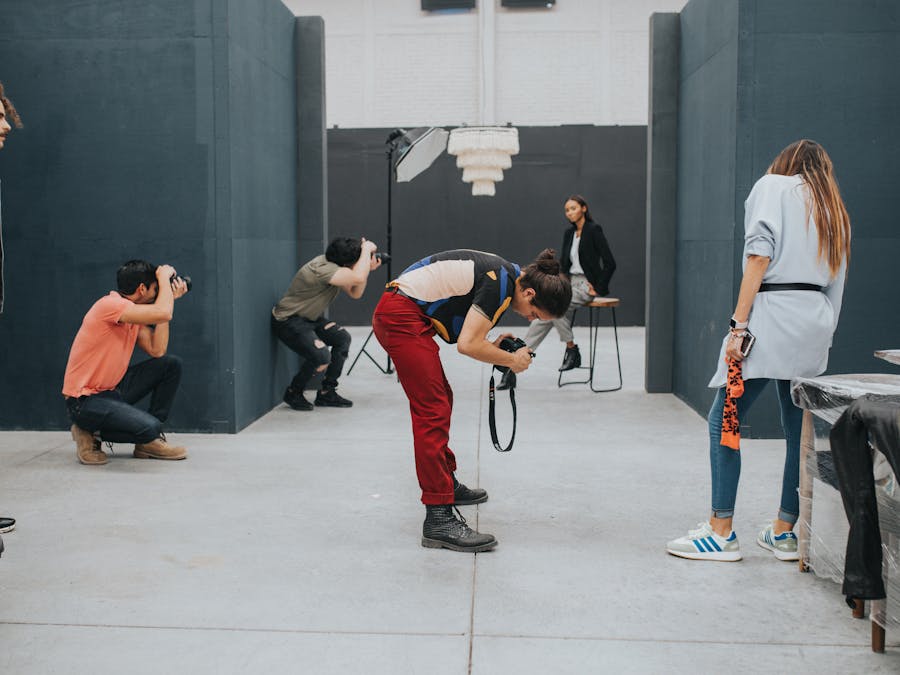
While your polished final images are important, showing the creative process behind them can be even more engaging. People love seeing how things are made. Sharing behind-the-scene content helps you connect with your audience on a more personal level.
Behind-the-scenes content humanizes your brand. It shows that there’s a real person behind the camera, working hard to create beautiful images. This kind of content builds trust and makes followers feel like they’re part of your journey rather than just passive viewers.
There are many ways to share your process. You could post photos of your gear setup before a shoot, share a time-lapse of you editing in your workspace, or show the chaos of a busy wedding day. Stories are perfect for this kind of casual, in-the-moment content because they disappear after 24 hours and don’t need to match your curated feed aesthetic.
You can also share tips and tutorials as part of your behind-the-scenes content. For instance, you might demonstrate lighting techniques or share advice on taking the perfect Instagram selfie for clients who want to look their best in photos. Teaching others positions you as an expert and adds value for your followers.
Don’t be afraid to show the less glamorous moments too. A photo of you waiting in the rain for the perfect light, or a story about a shoot that didn’t go as planned, makes you relatable. People appreciate authenticity, and these real moments often get more engagement than perfectly polished content.
Tip 3: Use Hashtags Strategically
Hashtags remain one of the best ways to get your photos discovered by new audiences on Instagram. When someone searches for or follows a hashtag, your content can appear in their feed even if they don’t follow you. But using hashtags effectively requires some thought and strategy.
The key is finding the right balance. Using only massive hashtags like #photography means your post will be buried within seconds among millions of others. On the other hand, using hashtags that are too obscure means nobody will ever search for them. The sweet spot is a mix of popular, medium-sized, and niche hashtags relevant to your specific work.
For photographers, niche hashtags are particularly valuable. If you specialize in newborn photography, hashtags specific to that genre will connect you with people actively looking for that type of content. If you’re a landscape photographer who focuses on a particular region, location-based hashtags can help locals and travelers find your work.
Finding the best hashtags for your photography niche takes some research. Look at what successful photographers in your field are using. Check which hashtags your ideal clients might follow. Test different combinations and pay attention to which posts get discovered by new accounts.
Seasonal hashtags can also boost your visibility when planning themed content. For example, Valentine’s Day content ideas work well with romantic photography hashtags during February. Planning your content around holidays and seasons gives you natural opportunities to use trending hashtags.
Avoid using the same exact hashtag set on every post, as this can look spammy. Instead, create several groups of relevant hashtags and rotate through them based on what each specific image is about.
Tip 4: Diversify Your Content with Reels and Stories

While static images are the foundation of any photographer’s Instagram, branching out into video content can significantly expand your reach. Instagram’s algorithm tends to favor Reels, pushing them to users who don’t already follow you. This makes video content a powerful discovery tool.
You don’t need to become a filmmaker to create engaging Reels. Simple concepts work great for photographers. Consider creating before-and-after editing transformations, quick tutorials showing a technique, or compilations of your best work set to trending music. These short videos give people a taste of your skills in an easily digestible format.
Stories offer another way to stay connected with your audience daily. Unlike your main feed, Stories don’t need to be perfectly polished. Use them to share quick updates, ask questions, run polls, or give followers a peek into your daily life. The interactive features in Stories, like question stickers and polls, encourage engagement and help you learn what your audience wants to see.
As you build your video content skills, you might discover new income opportunities. Many photographers have learned to get paid for Instagram Reels through the platform’s bonus programs and brand partnerships. Video content opens doors that static images alone might not.
Don’t feel pressured to post Reels constantly. Even one or two per week can make a difference in your visibility. The important thing is to experiment and find what works for your style and schedule. Some photographers thrive with video content while others prefer to focus primarily on still images with occasional Reels mixed in.
Tip 5: Build a Client-Ready Portfolio on Instagram

Your Instagram feed can function as a portfolio that attracts potential clients, but only if you organize it thoughtfully. When someone visits your profile, they should quickly understand what kind of photography you do and whether your style matches what they’re looking for.
Start by curating your feed to show your best and most representative work. If you’re a wedding photographer, your recent posts should feature weddings. If you specialize in product photography, that should be front and center. Mixing too many different genres can confuse potential clients about what you actually offer.
Instagram Highlights are incredibly useful for organizing your portfolio. These are collections of Stories that stay permanently on your profile. Create Highlights for different categories of your work, such as “Weddings,” “Portraits,” “Behind the Scenes,” or “Client Reviews.” This lets visitors quickly navigate to the content most relevant to them.
Your bio is prime real estate. Use it to clearly state what you do, where you’re located, and how people can work with you. Include a call to action and a link to your booking page or full portfolio. Many photographers use link-in-bio tools to share multiple links from one URL.
When creating content for your portfolio, remember to consider accessibility mistakes to avoid so your work reaches everyone. This includes adding alt text to your images and ensuring any text in your graphics is readable.
To complement your Instagram portfolio, you might also want to learn how to create an online gallery for clients where they can view and download their photos. Having both an Instagram presence and a professional delivery system shows clients you’re serious about your business.
Managing Your Photo Files and Storage
Behind every successful photography Instagram account is a well-organized system for managing files. When you’re shooting regularly and creating content for social media, your photo library can grow quickly. Without good organization, you’ll waste time searching for images and risk losing important work.
Start by developing a consistent naming and folder structure for your files. Many photographers organize by date, client name, or project type. Whatever system you choose, stick with it so you can always find what you need. Tagging and rating your best images makes it easier to pull content for Instagram later.
Storage becomes a real concern for active photographers. High-resolution images take up significant space, and you need reliable backups to protect your work. If you use Apple devices, learning to manage Mac storage for content creation can help you keep your computer running smoothly while maintaining access to your photo library.
Mobile photographers face their own challenges. If you shoot or edit on your phone, it’s important to know how to recover lost Instagram content on iPhone in case something goes wrong. Regular backups to cloud services or external drives protect you from devastating data loss.
Consider using cloud storage services that sync across your devices. This way, you can access your photos from your computer, tablet, or phone whenever inspiration strikes. Many photographers keep their working files locally and archive completed projects to the cloud or external drives to free up space.
Turning Your Instagram Into Income
Once you’ve built a solid presence on Instagram, there are several ways to turn that following into actual income. The platform offers opportunities for photographers at every level, from beginners to established professionals.
The most direct path is using Instagram to book photography clients. When your feed showcases your best work and your bio makes it easy to get in touch, potential clients can find you and reach out. Many photographers report that Instagram is their primary source of new business inquiries.
Brand partnerships and sponsored content are another option. As your following grows, companies may approach you to feature their products in your posts. Photography-related brands like camera manufacturers, editing software companies, and accessory makers often work with photographers who have engaged audiences.
You can also sell digital products through Instagram. Presets, educational guides, and online courses are popular offerings from photographers. Your Instagram serves as both a marketing channel and proof of your expertise.
Photographers at any stage can learn to make money on Instagram through various methods. Whether you’re a student building your first portfolio or a seasoned pro expanding your business, the platform offers real earning potential for those willing to put in the work.
Final Thoughts on Growing Your Photography Instagram
Building a successful photography presence on Instagram takes time and consistency. The Instagram tips for photographers we’ve covered here—developing a consistent style, sharing behind-the-scenes content, using hashtags strategically, diversifying with video, and building a client-ready portfolio—all work together to help you stand out.
Remember that growth rarely happens overnight. Focus on creating quality content that represents your unique vision as a photographer. Engage genuinely with your community, support other creators, and stay patient as your audience grows.
The photographers who succeed on Instagram are those who show up consistently and authentically. Keep shooting, keep sharing, and keep refining your approach. Your next client or creative opportunity might be just one post away.