



Instagram has become one of the most popular ways to stay connected with friends, family, and even new acquaintances. While posting photos and stories gets a lot of attention, the direct messaging feature is where many of our most personal conversations happen. Knowing how to react to messages on Instagram can make your interactions feel more natural and engaging.
Whether you want to quickly acknowledge a funny meme someone sent you or craft a thoughtful response to a heartfelt message, understanding your options makes all the difference. This guide walks you through everything from simple emoji reactions to writing responses that strengthen your connections. Let’s explore how to make the most of your Instagram messaging experience.
What Are Instagram Message Reactions?

Message reactions are quick emoji responses you can add to any message in your Instagram direct messages. Instead of typing out a full reply, you can simply tap and hold on a message to add an emoji that expresses how you feel about it. This feature works similarly to reactions on other messaging platforms and has become a standard part of how people communicate through Instagram DMs.
When you react to a message, a small emoji appears below that specific message. The person who sent it receives a notification letting them know you reacted. This creates a lightweight way to acknowledge messages without needing to compose a full response every time.
Instagram offers a default set of emoji reactions including the heart, laughing face, surprised face, crying face, angry face, and thumbs up. However, you can also choose from any emoji in your keyboard if the default options don’t quite capture what you want to express. This flexibility means you can always find the right reaction for any situation.
Reactions serve several purposes in conversations. They let the other person know you’ve seen their message, they express emotion quickly, and they keep conversations flowing without requiring lengthy responses to every single message. For busy people or casual conversations, reactions are incredibly useful.
How To React To a Message on Instagram Step by Step
Learning how to react to messages on Instagram is straightforward once you know where to look. The process is slightly different depending on whether you’re using a phone or computer, so let’s cover both methods.
Reacting on Mobile Devices
On your iPhone or Android device, open the Instagram app and tap the messenger icon in the top right corner of your home screen. This takes you to your direct messages. Open any conversation where you want to react to a message.
Find the specific message you want to react to. Press and hold your finger on that message for about one second. A row of emoji reactions will appear above the message. Tap the emoji you want to use, and it will attach to that message instantly.
If you want to use an emoji that isn’t in the default row, look for the plus sign at the end of the reaction options. Tapping this opens your full emoji keyboard, where you can select any emoji you like.
Reacting on Desktop
When using Instagram through a web browser on your computer, the process is similar but uses your mouse instead of touch. Navigate to Instagram.com and click the messenger icon to open your messages.
Hover your mouse over the message you want to react to. A small smiley face icon appears next to the message. Click this icon to see the available reactions, then click the emoji you want to use. The reaction attaches to the message just like it does on mobile.
Changing or Removing Reactions
If you accidentally react with the wrong emoji or change your mind, you can easily fix it. Simply tap or click on your existing reaction, and it will be removed. You can then add a different reaction if you prefer. There’s no limit to how many times you can change your reaction on a single message.
Understanding Emoji Reactions and What They Mean
Choosing the right emoji reaction matters more than you might think. Each emoji carries its own meaning, and using them appropriately helps you communicate clearly. Understanding different emoji reactions can help you pick the perfect response for any message.
The heart emoji is perhaps the most versatile reaction. It works well for messages you love, appreciate, or find touching. People often use it to acknowledge kind words, beautiful photos, or messages from people they care about. It’s warm without being overly specific.
The laughing face with tears is perfect for genuinely funny messages. When someone sends you a hilarious meme or tells a great joke, this reaction shows you found it truly amusing. It’s more expressive than a simple thumbs up and lets the sender know their humor landed well.
The surprised face works for unexpected news, shocking revelations, or impressive accomplishments. If a friend tells you they got a promotion or shares surprising information, this reaction captures that sense of amazement.
The crying face can express sadness or sympathy. When someone shares difficult news or a sad story, this reaction shows you empathize with their feelings. It’s a gentle way to acknowledge their emotions without needing to find the perfect words.
The thumbs up is the most neutral reaction. It simply means you’ve seen and acknowledged the message. It works well for confirming plans, accepting information, or giving a quick approval. Some people find it a bit impersonal, so consider the context before using it.
Writing Thoughtful Message Responses
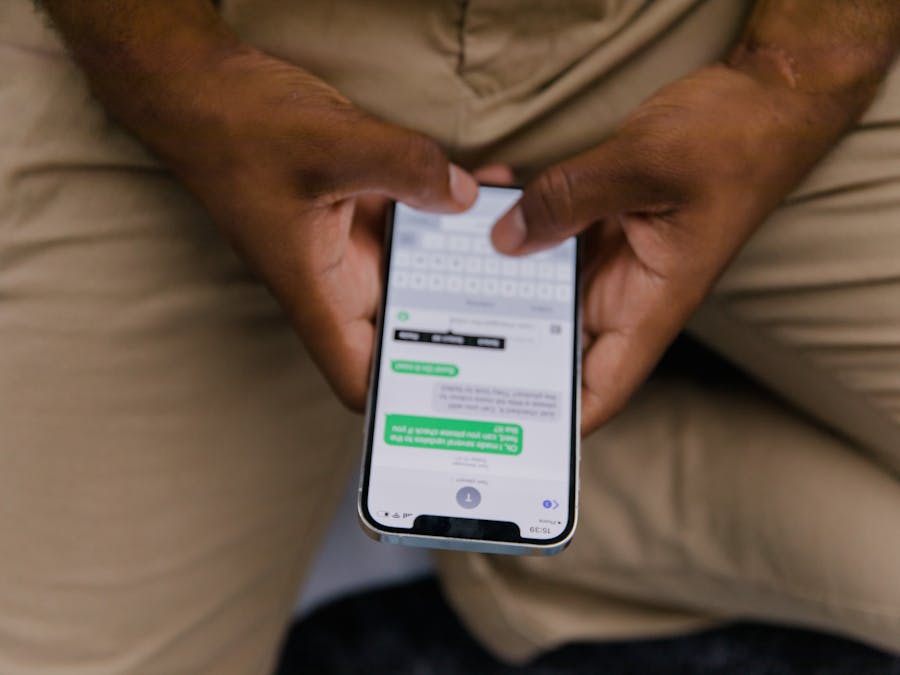
While emoji reactions are convenient, sometimes a full written response is more appropriate. Crafting thoughtful replies helps build stronger connections and shows the other person you value the conversation. Being mindful of Instagram character limits can help you write concise but meaningful responses.
Start by actually reading the message carefully. It sounds obvious, but rushing through messages often leads to responses that miss the point. Take a moment to understand what the person is saying and what kind of response they might be hoping for.
Ask questions to show genuine interest. If someone shares news about their life, follow up with questions that demonstrate you care. Instead of just saying “that’s great,” try asking “how did that happen?” or “what are you most excited about?” This keeps conversations engaging and meaningful.
When someone shares good news or accomplishments, offering meaningful compliments can brighten their day. Be specific about what you appreciate rather than giving generic praise. Saying “your photography skills have really improved” means more than just “nice pic.”
Match the tone of the conversation. If someone is being playful and casual, respond in kind. If they’re sharing something serious, adjust your tone to be more supportive and thoughtful. This emotional attunement makes people feel understood.
Don’t feel pressured to respond immediately to every message. Taking time to craft a thoughtful response is often better than firing off a quick reply that doesn’t add much to the conversation. Quality matters more than speed in most situations.
When To Use Reactions vs Full Replies

Knowing when to use a quick reaction versus a full reply is an important social skill. The right choice depends on the message content, your relationship with the person, and the flow of the conversation. Making thoughtful choices here can help you grow your Instagram presence through better engagement.
Reactions work best for messages that don’t require a detailed response. If someone sends a photo of their lunch, a heart reaction is perfectly appropriate. If they share a funny video, a laughing reaction acknowledges it without needing more. Reactions keep conversations light and flowing.
Full replies are better when someone asks a question, shares important news, or clearly wants to have a conversation. If a friend tells you about a difficult situation they’re facing, a simple emoji reaction might feel dismissive. These moments call for actual words and genuine engagement.
Consider the relationship too. With close friends and family, you might use more reactions because you have ongoing conversations and don’t need to elaborate on everything. With newer connections or professional contacts, full replies often feel more appropriate and respectful.
Some people prefer being a silent viewer who observes more than they respond. There’s nothing wrong with this approach, but if you want to build connections, finding the right balance between reactions and replies helps maintain relationships without overwhelming yourself.
Pay attention to how others respond to you as well. If someone consistently gives you full replies, they might appreciate the same in return. If they mostly react with emojis, they’re probably comfortable with that style of communication.
Handling Negative or Unwanted Messages
Not every message you receive will be pleasant. Instagram provides several tools for dealing with negative, inappropriate, or unwanted messages. Knowing how to handle these situations protects your peace of mind and keeps your messaging experience positive.
For mildly annoying messages, you can simply ignore them. You’re not obligated to respond to every message you receive. If someone sends something you don’t want to engage with, leaving it unread or unreacted is a valid choice.
The restrict feature is useful for people who bother you but whom you don’t want to block entirely. When you restrict someone, their messages go to a separate request folder, and they won’t know if you’ve read them. This gives you control without creating direct confrontation.
Blocking is appropriate when someone is harassing you, sending inappropriate content, or making you uncomfortable. When you block someone, they can no longer send you messages or see your profile. Don’t hesitate to use this feature when needed.
For serious harassment or bullying, you should report bullying on Instagram. The platform has policies against harassment, hate speech, and threatening behavior. Reporting helps protect not just you but other users who might encounter the same person.
Remember that you control your messaging experience. You can adjust your settings to only receive messages from people you follow, or to filter out message requests from accounts that seem suspicious. Taking advantage of these privacy features creates a safer space for your conversations.
Managing Your Instagram Interactions
Beyond individual messages, managing your overall Instagram interactions helps you stay organized and engaged. The platform offers several features that make it easier to keep track of content and conversations that matter to you.
Your message inbox can get cluttered over time. Instagram lets you pin important conversations to the top of your inbox, making them easy to find. You can also mute conversations that are active but not urgent, so you don’t get constant notifications.
Keeping track of content you’ve engaged with helps you remember what you’ve seen and liked. You can find posts you’ve liked through your account settings, which is helpful when you want to revisit something or share it with someone else.
The save feature lets you bookmark posts for later. If someone sends you a post in a message and you want to keep it, you can save it to a collection. Learning to organize your saved posts into collections makes it easy to find specific content when you need it.
Consider creating a routine for checking and responding to messages. Some people prefer to check messages at specific times rather than responding to every notification immediately. This approach can help you be more present in conversations when you do engage, rather than constantly being pulled away from other activities.
Archiving old conversations you no longer need keeps your inbox clean without permanently deleting anything. You can always unarchive a conversation if you need to reference it later.
Personalizing Your Profile for Better Connections
Your Instagram profile is often the first thing people see before messaging you. A well-crafted profile helps others understand who you are and can lead to more meaningful conversations. Taking time to personalize your profile pays off in better interactions.
Your bio should give people a sense of your personality and interests. When someone visits your profile before messaging you, they’re looking for common ground or conversation starters. A bio that reflects who you are makes it easier for people to connect with you authentically.
You can add pronouns to your profile, which helps others address you correctly in messages. This small detail shows you care about clear communication and makes conversations more comfortable for everyone.
Your profile picture matters too. A clear, friendly photo helps people feel like they know who they’re talking to. This is especially important if you’re connecting with people you haven’t met in person.
Understanding Instagram’s cultural impact can help you navigate the platform more effectively. The way people communicate on Instagram has evolved over time, and being aware of current norms helps you fit in naturally while still being yourself.
Story highlights can showcase different aspects of your life and interests. When someone is deciding whether to message you, these highlights give them topics to potentially discuss. Think of them as conversation starters that work even before anyone sends a message.
Troubleshooting Common Message Reaction Issues
Sometimes technical problems can interfere with your ability to react to messages or use Instagram’s messaging features. Here are solutions to common issues people encounter.
If reactions aren’t appearing when you press and hold on a message, try updating your Instagram app. Outdated versions sometimes have bugs that affect features. Check your app store for available updates and install them.
Slow internet connections can cause reactions to fail or appear delayed. If you’re having trouble, try switching between WiFi and mobile data to see if one works better. Sometimes simply closing and reopening the app resolves temporary glitches.
If you can’t access your messages at all, there might be an issue with your account. In some cases, you may need to reactivate your Instagram account if it was deactivated or if there are login problems preventing access to your messages.
Clearing your app cache can fix various issues. On Android, you can do this through your phone’s settings. On iPhone, you might need to delete and reinstall the app. This removes temporary files that might be causing problems.
If someone says they’re not receiving your reactions or messages, the issue might be on their end. They could have restricted you, or there might be a bug affecting their account. Unfortunately, you can’t always diagnose problems that exist on someone else’s device or account.
When all else fails, Instagram’s help center provides troubleshooting guides for common issues. You can also report bugs directly through the app, which helps Instagram identify and fix problems affecting users.
Balancing Social Media and Your Well-Being

While knowing how to react to messages on Instagram is useful, it’s equally important to maintain healthy boundaries with social media. Constant messaging and notifications can become overwhelming if you don’t manage them thoughtfully.
Consider how much time you spend on messaging and whether it feels sustainable. If you find yourself anxious about unread messages or feeling obligated to respond immediately to everything, it might be time to adjust your habits. Your personal well-being should always come first.
Setting boundaries around when you check and respond to messages helps prevent burnout. You might decide not to check messages during meals, before bed, or during focused work time. These boundaries protect your mental energy and help you be more present in your offline life.
It’s okay to take breaks from Instagram entirely. If messaging feels like a chore rather than a way to connect, stepping away for a while can help you return with fresh perspective. Real friendships will survive a few days without Instagram interaction.
Remember that the quality of your interactions matters more than the quantity. Having a few meaningful conversations is more fulfilling than constantly reacting to dozens of messages without really engaging. Focus on the connections that genuinely enrich your life.
Instagram messaging should enhance your relationships, not replace deeper forms of connection. Use it as a tool to stay in touch and make plans, but don’t let it become a substitute for face-to-face conversations and real-world experiences with the people you care about.