



Managing an Instagram account takes time and effort. Between creating content, engaging with followers, and keeping up with trends, it can feel like a full-time job. That’s where learning to Instagram schedule post comes in handy. When you plan and schedule your content ahead of time, you free yourself from the pressure of posting in real-time while still maintaining a strong presence on the platform.
Whether you’re a small business owner, content creator, or someone who simply wants to share more consistently, scheduling posts can transform how you approach Instagram. Instead of scrambling to create content at the last minute, you can batch your work, plan strategically, and focus on what matters most—connecting with your audience.
In this guide, we’ll walk through everything you need to know about scheduling Instagram posts. You’ll learn what scheduling means, why it’s beneficial, how to use native tools, and practical tips to make your scheduled content shine. Let’s get started.
What Does It Mean to Schedule Instagram Posts?
Scheduling Instagram posts means preparing your content in advance and setting it to publish automatically at a specific date and time. Instead of manually opening the app and posting whenever you want to share something, you create your post beforehand and let the system handle the rest.
Think of it like setting an alarm clock. You decide when you want something to happen, set it up, and then go about your day knowing it will take care of itself. With scheduled posts, you choose your image or video, write your caption, add hashtags, and pick the exact moment you want it to go live.
This approach works for different types of Instagram content, including regular feed posts, carousels, and Reels. The scheduling process typically involves using either Instagram’s built-in tools or third-party applications designed for social media management.
When you schedule a post, it sits in a queue until the designated time arrives. At that moment, the platform publishes it automatically without any action required from you. This means you could be sleeping, working, or enjoying time with family while your content goes live and reaches your audience.
The ability to schedule posts has become increasingly important as Instagram has grown more competitive. Consistent posting helps maintain visibility, and scheduling makes consistency achievable even for busy people.
Why You Should Schedule Your Instagram Posts
There are several compelling reasons to start scheduling your Instagram content. Understanding these benefits can help you see why so many successful accounts rely on this approach.
Save valuable time. Creating content in batches is far more efficient than doing it piece by piece. When you sit down to schedule multiple posts at once, you get into a creative flow. You can write several captions, edit multiple images, and plan a week’s worth of content in one focused session. This beats the daily scramble of trying to create something on the spot.
Maintain consistency. One of the biggest challenges on Instagram is posting regularly. When life gets busy, posting often falls to the bottom of the priority list. Scheduling eliminates this problem because your content goes out whether you’re available or not. Understanding how often you should post on Instagram becomes much easier to implement when you can plan ahead.
Post at optimal times. Your audience might be most active at times when you’re unavailable. Maybe your followers engage most during their lunch break, but that’s when you’re in meetings. Scheduling lets you reach people at the right moments regardless of your own schedule.
Reduce stress and last-minute pressure. There’s something calming about knowing your content is ready and waiting. You don’t have to worry about forgetting to post or rushing to create something mediocre just to stay active.
Improve content quality. When you’re not rushed, you make better decisions. You can review your captions, double-check your images, and ensure everything aligns with your brand. Scheduling helps you keep your content calendar nice and neat so nothing falls through the cracks.
Plan around events and campaigns. If you have a product launch, holiday promotion, or special announcement coming up, scheduling lets you prepare all related content in advance. You can coordinate your messaging and ensure everything goes out at the right time.
How to Schedule Posts Using Instagram’s Native Tools
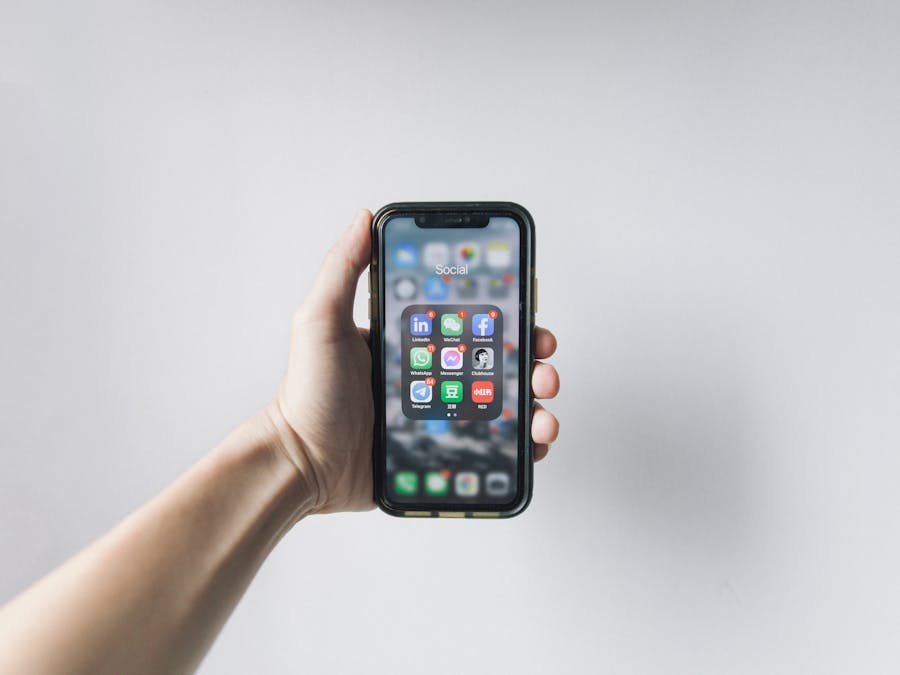
Instagram now offers built-in scheduling features, making it easier than ever to plan your content without needing external apps. Here’s how to use these native tools effectively.
Scheduling directly in the Instagram app:
Instagram added native scheduling to its mobile app, allowing you to schedule posts up to 75 days in advance. Here’s the process:
- Open the Instagram app and tap the plus icon to create a new post.
- Select your photo or video and apply any filters or edits you want.
- Write your caption and add hashtags, location, and tags as needed.
- Before hitting the share button, look for the “Advanced settings” option.
- Find the scheduling option and toggle it on.
- Choose your preferred date and time for the post to go live.
- Confirm your selection and the post will be scheduled.
Using Meta Business Suite:
For those with business or creator accounts, Meta Business Suite provides a more robust scheduling experience. This tool works on both desktop and mobile, giving you flexibility in how you manage your content.
- Access Meta Business Suite through the website or app.
- Navigate to the content creation section.
- Select Instagram as your publishing destination.
- Upload your media and craft your caption.
- Instead of publishing immediately, select the schedule option.
- Pick your desired date and time.
- Review everything and confirm the scheduled post.
Meta Business Suite also lets you view all your scheduled content in a calendar format, making it easy to see what’s coming up and identify any gaps in your posting schedule. You can edit or delete scheduled posts if your plans change.
Preparing Your Content Before Scheduling
Good preparation makes scheduling smoother and more effective. Taking time to properly prepare your content ensures your scheduled posts look professional and perform well.
Get your images right. Before scheduling anything, make sure your visuals meet Instagram’s requirements. Understanding Instagram image size requirements helps you avoid awkward cropping or blurry images. Square posts work well for the feed, while vertical formats often perform better for engagement.
If your images aren’t the right dimensions, you’ll need to resize pictures for Instagram before uploading them. Many free tools can help with this, and taking this step ensures your content displays exactly as intended.
Organize your media files. Create a system for storing and organizing the images and videos you plan to use. This might mean creating folders by week, campaign, or content type. When everything is organized, you can quickly find what you need during your scheduling sessions.
Prepare your hashtags. Research and compile relevant hashtags before you start scheduling. You might create different hashtag groups for different types of content. Having these ready saves time and ensures you’re using effective tags consistently.
Write captions in advance. Draft your captions in a document or notes app where you can easily edit and refine them. This allows you to review your writing with fresh eyes before committing to a scheduled post.
Check for timely references. When scheduling content days or weeks ahead, be careful about references that might become outdated. Avoid mentioning specific dates, current events, or time-sensitive information unless you’re certain it will still be relevant when the post goes live.
Writing Captions That Work for Scheduled Posts

Captions play a crucial role in engagement, and writing them ahead of time requires some thoughtful approaches. The goal is creating captions that feel fresh and genuine even though they were written days or weeks before publishing.
Focus on evergreen topics. When possible, write about subjects that remain relevant over time. Tips, insights, and stories that don’t depend on current events will feel just as appropriate whenever they’re published.
Keep the conversational tone. Just because you’re writing in advance doesn’t mean your captions should sound stiff or formal. Write as if you’re talking to a friend. Ask questions, share thoughts, and invite responses. Learning to write engaging Instagram posts helps you create captions that connect with readers.
Stay authentic. Audiences can tell when content feels manufactured or impersonal. Even with scheduled posts, your personality should shine through. People appreciate more authentic content that reflects who you really are, so don’t let scheduling make your voice feel robotic.
Include clear calls to action. Tell your audience what you’d like them to do. Whether it’s leaving a comment, visiting your profile, or sharing the post, a simple prompt can significantly boost engagement.
Review before scheduling. Read your captions out loud before finalizing them. This helps catch awkward phrasing or errors you might miss when reading silently. A quick review can make a big difference in quality.
Plan for engagement. Remember that scheduling the post is just the beginning. Set reminders to check on your scheduled posts after they go live so you can respond to comments and engage with your audience in real-time.
Understanding Instagram Post Limits When Scheduling
Before you start scheduling dozens of posts, it’s helpful to understand the limitations you might encounter. Knowing these boundaries helps you plan more effectively.
Instagram’s native scheduling allows you to schedule posts up to 75 days in advance. This gives you plenty of runway for planning, though most people find scheduling a week or two ahead works best for maintaining flexibility.
When it comes to how much content you can schedule, there are practical considerations. While you can technically schedule many posts, flooding your feed with too much content can overwhelm your audience. Understanding Instagram post limits helps you find the right balance between staying active and not overdoing it.
For carousel posts, you can include up to 20 images or videos in a single post. This applies whether you’re posting immediately or scheduling for later. Planning carousels in advance lets you create cohesive, story-driven content that keeps viewers swiping.
Third-party scheduling tools may have their own limits based on your subscription level. Free plans often restrict how many posts you can schedule per month, while paid plans typically offer unlimited scheduling.
Keep in mind that Instagram occasionally updates its features and limitations. What works today might change, so stay informed about any platform updates that could affect your scheduling strategy.
Finding the Best Times to Schedule Your Posts
Timing matters on Instagram. Posting when your audience is most active increases the chances of engagement, which can help your content reach even more people through the algorithm.
Check your Instagram Insights. If you have a business or creator account, Instagram provides data about when your followers are most active. Look at the “Audience” section in your Insights to see which days and hours show the highest activity. This information should guide your scheduling decisions.
Consider your audience’s time zone. If your followers are spread across different regions, you’ll need to find times that work for the majority. Sometimes this means posting at unusual hours for you personally, which is where scheduling becomes especially valuable.
Establish a consistent posting pattern. Consistency helps your audience know when to expect new content from you. Whether you post daily, every other day, or a few times per week, maintaining a regular rhythm builds anticipation and habit among your followers.
Test different times. Don’t assume you know the best times without testing. Try scheduling posts at various times and track which ones perform best. Over time, you’ll develop a clearer picture of when your specific audience is most receptive.
Account for content type. Different types of content might perform better at different times. Educational content might do well during commute hours when people are scrolling, while entertaining content might peak during evening leisure time.
Stay flexible. While having a schedule is important, don’t be so rigid that you miss opportunities. If something timely happens that’s relevant to your audience, it’s okay to post outside your usual schedule or adjust your planned content.
Using Saved and Archived Posts for Content Ideas
Running out of content ideas is a common challenge, but Instagram itself can be a source of inspiration. Your saved posts and archives offer valuable resources for planning future scheduled content.
Mining your saved posts for inspiration. When you save posts from other accounts, you’re essentially bookmarking ideas that resonated with you. Regularly reviewing these saves can spark new content concepts. You might notice trends in what you’re saving—certain topics, visual styles, or caption approaches that appeal to you. Learning to organize your Instagram saved posts into collections makes it easier to find inspiration when you need it.
Repurposing your archived content. Your archive contains posts you’ve previously shared but removed from your public profile. These can be goldmines for content repurposing. Maybe a post performed well months ago and could be refreshed and shared again. Or perhaps you have content that’s still relevant but could use updated captions or hashtags. Knowing how to access your archived Instagram posts lets you revisit and potentially reuse your best work.
Creating content themes. As you review saved and archived content, you might identify themes that resonate with your audience. Use these insights to plan themed content series that you can schedule in advance.
Building a content bank. Consider creating a document or folder where you collect content ideas as they come to you. When it’s time to schedule posts, you’ll have a ready supply of concepts to work with rather than starting from scratch.
Tracking Performance of Your Scheduled Posts
Scheduling posts is just the first step. To improve over time, you need to analyze how your scheduled content performs and use those insights to refine your approach.
Monitor engagement metrics. After your scheduled posts go live, check how they’re performing. Look at likes, comments, saves, and shares. These metrics tell you what’s resonating with your audience and what might need adjustment.
Track reach and impressions. Beyond engagement, pay attention to how many people are seeing your content. If reach is declining, you might need to adjust your posting times, hashtag strategy, or content approach.
Analyze audience behavior. Understanding who’s interacting with your content helps you create better posts. You can track who viewed your posts and learn more about your audience demographics and behaviors.
Compare scheduled versus spontaneous posts. Keep track of whether your scheduled posts perform differently from content you post in real-time. This comparison can reveal whether your scheduling strategy needs adjustment.
Look for patterns. Over time, you’ll notice patterns in what works. Maybe certain topics consistently outperform others, or posts at specific times get more engagement. Use these patterns to inform future scheduling decisions.
Adjust based on data. Don’t just collect data—act on it. If your analysis shows that certain types of content or posting times aren’t working, make changes. Continuous improvement is key to long-term success.
Common Mistakes to Avoid When Scheduling Instagram Posts
Even experienced Instagram users make scheduling mistakes. Being aware of these common pitfalls helps you avoid them.
Scheduling and forgetting. Just because a post is scheduled doesn’t mean your work is done. You still need to engage with comments and messages after the post goes live. Set reminders to check on your scheduled content.
Ignoring current events. Content scheduled weeks ago might become inappropriate or tone-deaf if something significant happens in the world. Always review your scheduled posts if major events occur and be prepared to pause or adjust your content.
Over-scheduling. Posting too frequently can overwhelm your audience and lead to unfollows. Find a sustainable rhythm that keeps you visible without becoming annoying.
Using outdated hashtags. Hashtag effectiveness changes over time. Periodically review and update the hashtags you’re using in scheduled posts to ensure they’re still relevant and effective.
Neglecting quality for quantity. The convenience of scheduling can tempt you to prioritize volume over quality. Remember that one great post is worth more than several mediocre ones.
Forgetting to proofread. Typos and errors in scheduled posts can sit there for days before you notice them. Always proofread carefully before confirming any scheduled content.
Not adapting to feedback. If your scheduled content isn’t performing well, don’t keep doing the same thing. Be willing to adjust your approach based on what your audience responds to.
By avoiding these mistakes and following the strategies outlined in this guide, you’ll be well on your way to mastering Instagram schedule post techniques. The time you invest in learning to schedule effectively will pay off in reduced stress, better content, and stronger connections with your audience.